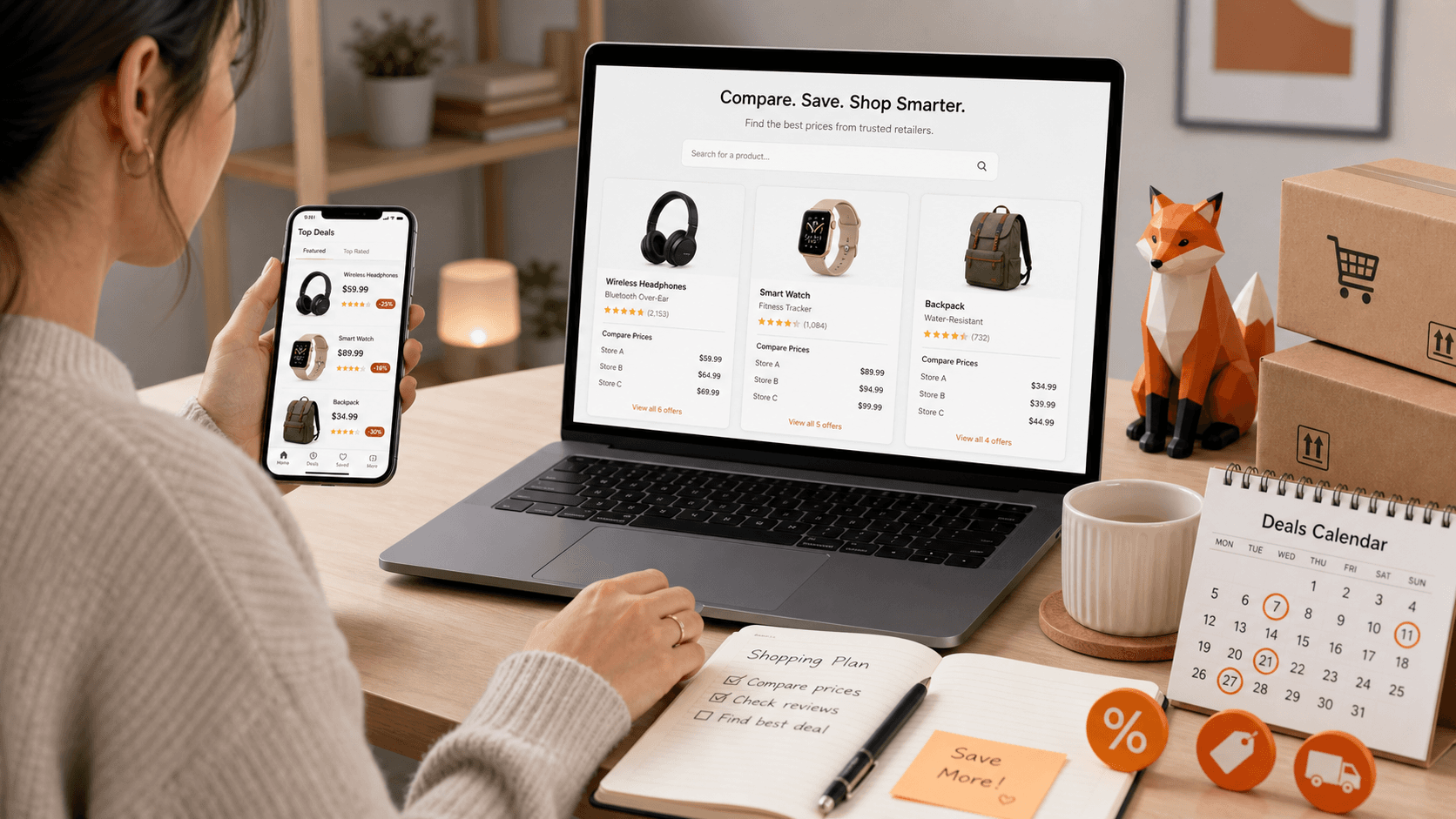
Why deal sites matter
In the broad shopping and online services category, the way people discover discounts has evolved beyond clipping coupons and waiting for seasonal sales. Today, thousands of retailers rotate promotions quickly, vary prices by inventory and timing, and limit codes to specific collections. Shoppers want a simple, trustworthy way to locate current offers without sifting through expired links or misleading claims. That is where specialized deal platforms step in, helping organize and validate the shifting landscape of promo codes, sale events, and loyalty perks. Platforms such as bargainfox.com compile time-sensitive coupons and store policies in one searchable place so you can spend less time hunting and more time deciding what is right for your cart. The core value of a well-curated deal hub is reliability. Instead of trial-and-error with long strings of letters and numbers, you can scan concise descriptions that clarify typical restrictions, such as minimum spend thresholds, brand exclusions, and whether a code works on clearance. Many listings also flag shipping limitations or note if free returns apply only to certain categories. Because retailers adjust terms often, a centralized index improves your odds of finding a code that still works, while also pointing out conditions that might affect your final total, like taxes or cross-border fees. Another reason deal platforms are useful is that savings often come from combinations rather than a single headline discount. You may be able to pair a sitewide markdown with store loyalty points, reach a free shipping threshold with a small add-on, or choose in-store pickup to waive delivery. A good aggregator reflects these pathways at a glance, showing opportunities that are easy to overlook in a retailer’s main navigation. The result is a clearer picture of realistic, stackable approaches rather than relying on a one-size-fits-all coupon. Just as important, a centralized resource promotes smarter timing. When an item is not urgent, you can watch for predictable sale cycles, limited-time bundles, or category-wide clearance windows. Deal hubs tend to spotlight these broader trends alongside individual codes, which helps you prioritize purchases. None of this guarantees a specific discount—final prices depend on the retailer and availability—but a structured, up-to-date view of offers gives you the context to plan purchases more confidently and avoid common pitfalls like expired codes or incompatible stacks.
Practical ways to save
Start by defining the real target: total cost after discounts, shipping, taxes, and any fees for returns. Shoppers often fixate on a headline percentage but end up paying more because of service charges or paid shipping on bulky items. Before you apply a code, add the item to cart, input your location, and preview the end-to-end total. This lets you compare scenarios, such as a lower discount plus free shipping versus a higher discount that still requires a courier fee. When you evaluate savings this way, your decision is grounded in what you will actually pay at checkout. Think in terms of orderly stacking. A common, compliant sequence is sale price first, then retailer coupon code, followed by shipping benefits or pickup, with loyalty points accruing on the final eligible subtotal. If you use a cashback or rewards portal, check whether the merchant tracks orders when a coupon is applied; some portals exclude orders that use non-listed codes, while others allow it. Read the merchant notes carefully and take a timestamped screenshot of the terms. This is not a guarantee of payout, but it helps you verify later if tracking occurs as expected. Freshness matters. Valid codes change quickly, and some are single-use or region-specific. If you see a code that looks promising but vague, test it in your cart before spending time comparing other items. On multi-brand marketplaces, watch for seller exclusions; a promo can apply to the platform’s shipped items but not to third-party listings. You can also split orders: if one coupon works for house-brand goods and another works on marketplace items, placing two smaller orders might outperform a single large checkout. Price timing remains one of the most powerful tactics. Create a shortlist of products and monitor them across a few weeks. Many categories, such as home goods or fitness gear, exhibit routine markdown rhythms tied to inventory turns. When you see a pattern, you can align your purchase with a fresh price drop and then apply a relevant code. To streamline the search for timely promos, browse curated collections and new releases through explore offers, which can surface limited windows you might otherwise miss. Finally, understand return and exchange rules before buying. Some retailers treat discounted items as final sale or returnable only for store credit. Others allow returns but deduct restocking or return shipping fees. If you factor these potential costs into your decision, you can choose between a slightly smaller discount with flexible returns or a deeper cut with stricter terms, depending on your comfort with fit, size, color, or model compatibility.
Plan your next buy
A practical plan begins with your wish list. List the exact model, size, or configuration you want, plus two acceptable alternatives. This prevents last-minute substitutions that erase savings on a product you did not truly want. Next, map a basic calendar: note common promotional periods such as season wrap-ups, back-to-school, and mid-year clearance. You do not need to memorize every event; the point is to give yourself a window where deals are likelier so you can hold off rather than buy on the first small markdown. When windows open, set alerts and re-check store policies on your short-listed items. For up-to-date, category-filtered vouchers, you can review offer pages on the official site and weigh whether the timing and terms line up with your needs. Verification reduces friction. Before committing, copy the code, paste it into the retailer’s designated field, and confirm the discount applies to the specific items in your cart. If the savings do not appear, scan for known blockers: excluded brands, cart minimum not met, or regional restrictions. If the terms allow stacking with loyalty benefits, check your account is logged in so rewards are captured. For larger orders, contact customer support via chat to confirm return policy details or to clarify whether a certain promotion can combine with a welcome code or student discount. Keep the conversation polite and concise; representatives often share the exact clause that applies, which helps you decide without guessing. Build a simple price journal. Track the baseline price, observed lows, and which promotions delivered real value. This practice pays off over time: you will recognize when a discount is genuinely strong for that category versus merely average. If you buy a price-protected item and the retailer lowers the cost shortly after purchase, some stores may adjust the price or allow a return and repurchase within their policy window. Know the rules before you try; follow the merchant’s stated process to avoid confusion. Finally, protect your savings by preserving receipts and order confirmations. If you also use a cashback or rewards portal, take screenshots showing the merchant page and terms on the day of purchase and save them with your order number. This does not ensure a bonus will post, but it provides context if you need to inquire later. By combining a realistic timeline, careful verification, and clear documentation with the curated visibility you get from bargainfox.com, you turn deal hunting from a guesswork task into a calm, repeatable routine that fits your budget and shopping style.
Key takeaways for shoppers
Finding value online is easier when you evaluate the entire checkout picture rather than a single discount line. Start with total cost, not just the headline percentage, and aim to stack sale prices, relevant promo codes, and smart shipping choices in a sequence that the retailer allows. Check code freshness and policy fine print before you commit, and use curated deal hubs to spot time-sensitive opportunities without chasing expired posts. A short wish list, a basic sale calendar, and a lightweight price journal can guide your timing and make each purchase feel intentional rather than rushed. Deal platforms like bargainfox.com add structure by consolidating codes and clarifying common restrictions, but you remain in control of what “best” means: flexible returns for uncertain sizes, the fastest delivery for urgent needs, or the absolute lowest total when timing allows. When you test codes in your cart, document key terms, and save order confirmations, you reduce the likelihood of surprises and keep your savings transparent. With these habits in place, you can approach each checkout with context, choose what fits your priorities, and continue refining a personal playbook that makes online shopping simpler, clearer, and consistently cost-aware.