Why online shopping strategy matters
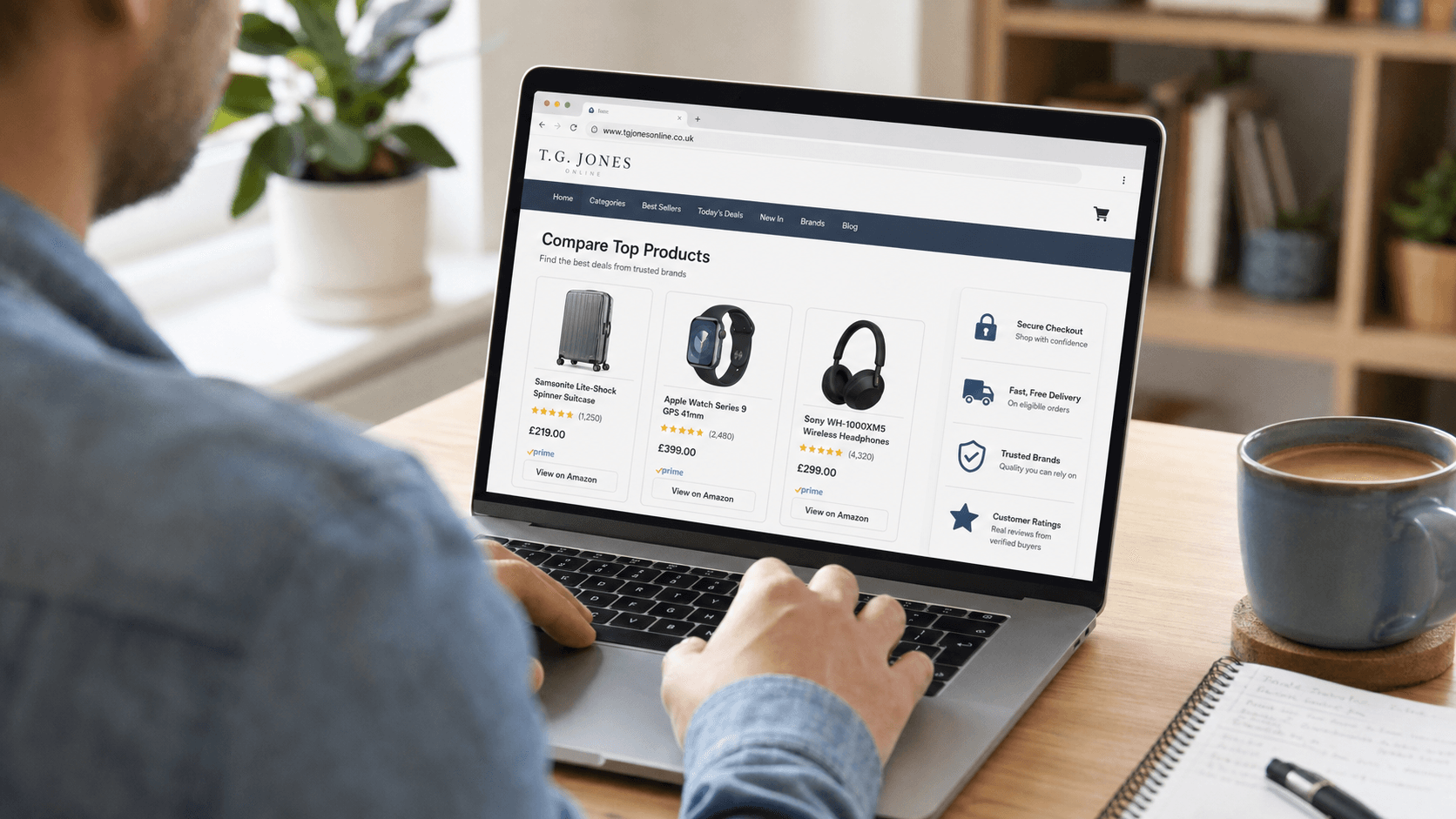
Online shopping has never been more convenient, yet the sheer variety of stores, marketplaces, and payment options can make even simple purchases feel complex. In the shopping-online-services category, the central challenge is not just finding the lowest price but making a confident decision that balances value, service, and security. A considered approach reduces the risk of disappointment, whether that means avoiding misleading product pages, steering clear of slow or expensive delivery, or ensuring you can return items without friction. Many buyers also want clarity about warranties, sustainability claims, and how personal data is handled. These concerns all add up to a practical need: a repeatable method for evaluating online offers. That is where a reliable research routine helps. Reading independent product reviews, verifying seller credentials, and comparing shipping and returns policies can eliminate uncertainty before you commit to checkout. Resources such as buyer’s guides, brand comparison pages, and timely deal roundups can compress hours of research into a few focused minutes. When you are assessing a shortlist, it is helpful to scan aggregated feedback rather than a single anecdotal review; large sample sizes are typically more reliable and reveal patterns about quality, sizing accuracy, or durability. The same mindset applies to delivery promises: estimated dates should be supported by carrier names and tracking, not vague windows. Clear, time-bound return windows and transparent restocking fees matter more than promotional taglines. Warranty information should be straightforward, with coverage duration and claim steps stated plainly. Price is part of the picture, but total cost of ownership—bundled accessories, aftersales support, and realistic delivery timelines—often determines long-term satisfaction. As you refine your approach, it can be useful to consult sources you trust for overviews of key features and store policies. Product roundups and deal explainers featured on sites like www.tgjonesonline.co.uk can point you to reputable options and help you understand trade-offs without the pressure of a checkout countdown timer. The goal is not to memorize every term, but to spot the signals of a dependable seller and a fair offer quickly, so your time and attention go toward the products that genuinely fit your needs.
Practical checks before you buy
A solid pre-purchase routine begins with verifying who you are buying from. On marketplaces, distinguish between the platform itself and the third-party seller that lists the item. Look for a seller profile with a clear trading name, consistent contact details, and a track record of recent, verified reviews. Aggregate ratings are useful, but the distribution of scores and how the seller responds to issues often tells a fuller story. Read the product page closely for specifics: model numbers, dimensions, included accessories, and compatibility notes. If a listing uses generic phrases without measurable details, compare it against manufacturer specifications. When comparing prices across stores, focus on the full basket cost—item price, sales tax or VAT where applicable, delivery fees, and optional protection plans. Next, evaluate delivery promises. A credible delivery estimate typically names a carrier, provides a tracking number after dispatch, and sets expectations for handling times. If you need items by a set date, look for service-level guarantees and understand what recourse is available if deadlines slip. For returns, prioritize clarity: how long do you have, who pays for return shipping, and how are refunds processed? A transparent policy should specify packaging requirements, condition thresholds, and restocking fees if any. Payment security is another pillar of safe shopping. Ensure checkout pages display HTTPS in the browser address bar and that payment forms appear on trusted, well-known gateways. Card networks and digital wallets often include fraud monitoring and dispute mechanisms, which can be helpful if an order goes wrong. If paying by bank transfer is the only option, consider whether the risk aligns with the price advantage. It is also prudent to understand how stores handle your data. Reputable retailers publish privacy policies detailing how information is used and stored, and they provide opt-outs for marketing communications. Finally, balance the appeal of short-lived discounts with what you genuinely need. Deal fatigue is real, and a measured approach—bookmarking benchmarks, setting alerts, and using trusted roundups—saves time. To streamline that research, curated guides that compare features, highlight policy differences, and flag seasonal pricing trends can be invaluable; you can scan them to explore offers without wading through unrelated promotions.
Turning research into action
Once you have a shortlist, convert your notes into concrete next steps. First, align features with your use case. For example, if you are choosing headphones, comfort and battery life may outweigh exotic codecs if you primarily use mainstream streaming apps; for a vacuum, floor type and filtration clarity matter more than raw wattage. Translate these priorities into a quick personal checklist—three to five must-haves and two nice-to-haves—so you can compare items consistently. Second, verify stock status before you get attached to a price; backorders can change delivery timelines and may affect your return window. Third, snapshot key terms. Capture the product page, returns policy, and price at checkout in case you need to reference them later. This simple habit can reduce friction if you contact support. Stay mindful of bundles and add-ons. Sometimes they are a genuine value, but they can also raise the total cost without matching your needs. If an extended protection plan is offered, read coverage scope and claim steps, then compare it to the manufacturer warranty to avoid duplicate benefits. For timing, consider seasonality. Many categories—electronics, home goods, and apparel—follow predictable promotional cycles. If you can wait, watching price history charts and subscribing to stock or price alerts may yield a better deal. If you cannot wait, decide what premium you are willing to pay for immediate availability and peace of mind. Customer support quality is another differentiator. Test response channels by asking a product question or clarifying a policy; responsiveness and clarity are strong signals. Finally, close the loop after purchase. Inspect items promptly on arrival, keep original packaging until you are sure you will keep the product, and register warranties where appropriate. Leaving a balanced, factual review helps the next shopper and keeps the ecosystem healthy. For ongoing guidance and timely roundups aligned with these steps, consult trusted editorial sources, including features and comparisons referenced by www.tgjonesonline.co.uk, and follow curated links to learn more when you want a deeper dive into specific categories or current seasonal promotions.
Key points to remember
Smarter online shopping is less about chasing the absolute lowest price and more about weighing value, transparency, and service. Start by verifying sellers and reading product pages carefully, then evaluate shipping and returns with the same rigor you apply to features. Prioritize secure checkout and data protection, and keep a simple personal checklist to compare options consistently. Where possible, rely on aggregated insights and clearly written guides to reduce research time while staying objective. If a deal seems unusually attractive, look for the practical signals of reliability: trackable delivery, clear policy pages, and accessible support. After purchase, confirm the item matches its description, keep packaging until you are satisfied, and register warranties if offered. Throughout the process, a steady, methodical approach saves time and minimizes frustration. Resources associated with www.tgjonesonline.co.uk can help surface reputable options and explain trade-offs clearly, but the final choice should reflect your priorities, timing, and budget. With a few disciplined habits, you can navigate busy sales periods, avoid common pitfalls, and consistently feel confident about what you buy and from whom you buy it.