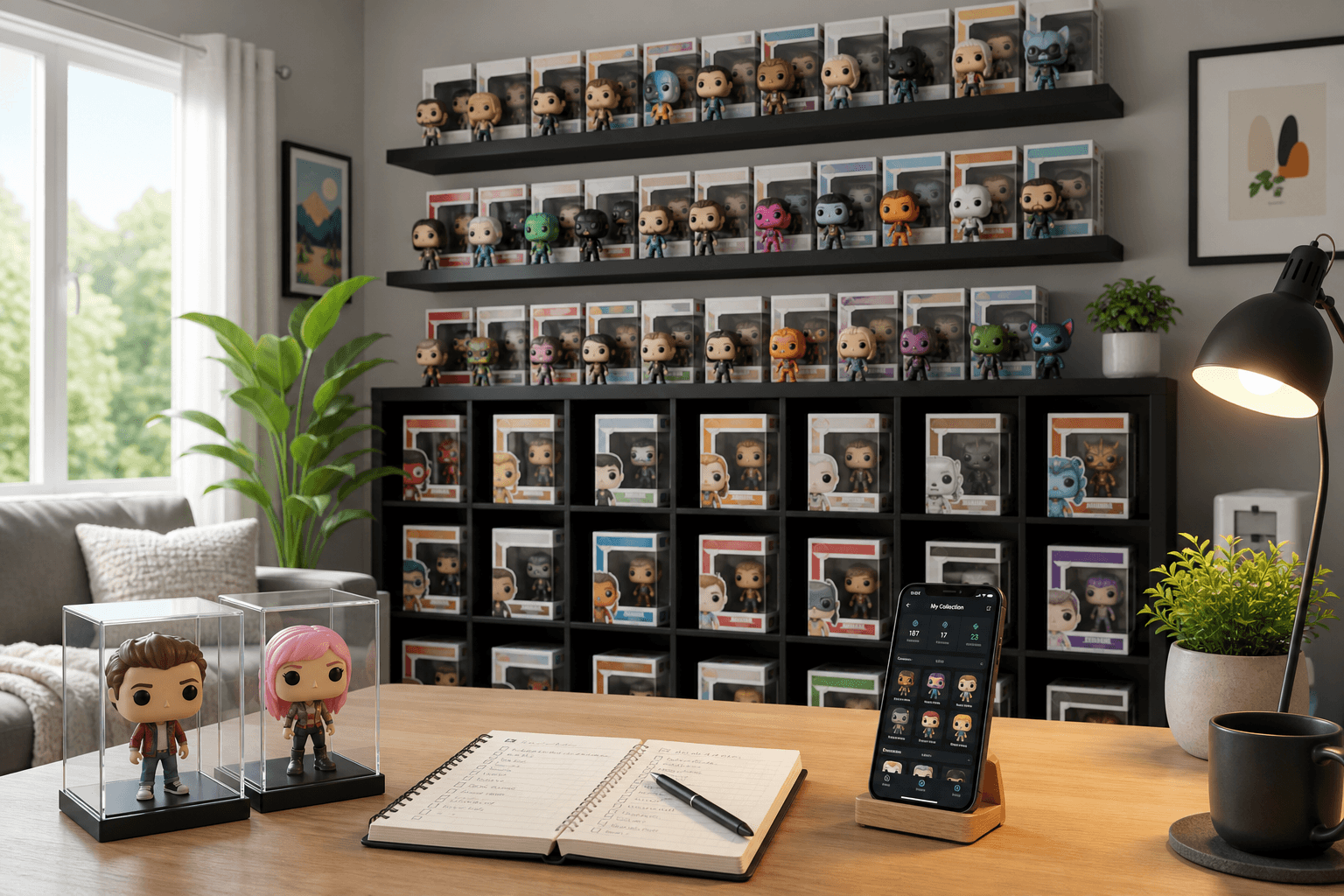
Why collectibles captivate fans
Collecting pop culture vinyl figures has become a defining pastime in lifestyle-entertainment, bridging movies, television, music, sports, and gaming into a tangible display of personal taste. For many newcomers, though, the first steps can feel overwhelming. Releases arrive quickly, exclusives appear and vanish, and the difference between a standard figure and a limited variant is not always obvious at first glance. On top of that, shoppers must navigate authenticity checks, packaging care, storage conditions, and budget planning—while still keeping the hobby fun and sustainable. If you’ve admired tidy shelves of colorfully boxed figures online and wondered where to begin, this guide aims to provide a grounded, current overview so you can build a collection you truly enjoy. The basics are straightforward: identify what you like, learn where and how to buy, and protect your figures and boxes so they look great for years. Yet there are nuances that reward a little research. Understanding release calendars, sticker terminology, and common packaging variations can make the difference between a smooth experience and avoidable frustrations. Similarly, thinking ahead about space, light exposure, and protective materials will help maintain both appearance and organization, whether you prefer to display out of box, keep everything mint in box, or mix approaches. Official and authorized retail channels remain reliable sources for current and upcoming figures. Checking new drops, restocks, and event exclusives across multiple storefronts can help you secure pieces at retail pricing and avoid last-minute scrambles. Browsing release pages on funko.com is a straightforward way to see what’s new and what’s coming soon, while newsletters and social feeds can surface timely alerts. Beyond buying, communities—both local and online—offer insights on condition grading, shipping best practices, and authenticity red flags so you can sidestep the common pitfalls that newcomers face. Ultimately, collecting should feel personal and manageable. Focused themes, such as a favorite franchise, artist, sport, or design motif, make curation easier and budgets more predictable. A modest, well-chosen set often looks better and feels more meaningful than shelves that grow too quickly. Throughout this guide, you’ll find practical advice that keeps expectations realistic, respects your budget, and prioritizes long-term enjoyment of the hobby.
Key details every collector should know
Before you buy your first figure, it helps to understand the main product types and the language collectors use. The most recognizable format is the classic vinyl figure in a windowed box, commonly around four inches tall, with larger formats for select releases. You’ll also see alternative lines—small mystery-style figures, soda can–themed collectibles with a sealed insert, artistic variants, and seasonal or event-themed specials. Box stickers and labeling help signal whether a piece is a standard release, a chase variant (a rarer version packed at lower odds), a retailer exclusive, or a limited convention drop. These stickers are part of the piece’s story and help you keep track of where and when it was released. You may encounter the term “vaulted,” which typically indicates that a figure is retired from regular production. While vaulted pieces can be harder to find at retail, occasional reissues, repaints, or alternate versions may appear; it’s smart to verify details through official channels so you understand exactly which version you are buying. For consistent, timely listings of current items, following official storefronts is the most reliable approach; if you want to stay on top of new waves and seasonal drops, you can also sign up for release alerts and, when appropriate, explore offers as they go live. Authenticity matters. Genuine products generally feature crisp printing, consistent box dimensions, clean glue lines, and correct placement and spelling on barcodes and product numbers. Inner packaging (the shaped plastic insert) should fit snugly; misaligned windows, excessive glue residue, or unusual odors can be warning signs. If you’re shopping outside official or authorized retailers, request clear, well-lit photos of all outer panels and the bottom of the box, and ask for any receipts or order confirmations if available. When buying open-box or loose figures, look closely at paint application, footer stamps (if applicable), and accessories. Preorders can be a convenient way to secure upcoming releases, but always review cancellation and delay policies. Shipping and packaging are equally important: sturdy boxes, corner protectors, and bubble wrap help preserve box integrity, especially for collectors who value mint condition. Many collectors also use soft plastic protectors or hard acrylic “stacks” for added security; consider protector thickness (measured in millimeters) as part of your decision. For organizing, a simple spreadsheet, note-taking app, or a collection-tracking app can keep inventory, purchase dates, and condition notes tidy. Finally, remember that secondary market pricing can fluctuate; it’s best to collect what you genuinely like and avoid assumptions about future value.
Practical steps to build your collection
Start by choosing a focus: a core franchise, a handful of characters, a music genre, or even a stylistic theme like monochrome or retro packaging. A focus curbs impulse buys and makes displays look cohesive. Next, set a monthly or seasonal budget that includes not just figures, but also protectors, shelving, and lighting. This keeps the hobby enjoyable and sustainable. Subscribe to official newsletters, set calendar reminders for events, and monitor restock announcements. When you want concrete information on current offerings, the official site is a dependable reference point for new listings and promotions. For condition-sensitive collectors, learn a simple grading shorthand so you can describe or request details consistently: front window clarity, corner sharpness, flap creases, window scuffs, and any dents or scratches. Ask sellers for straight-on photos of each side, plus angled shots to reveal subtle scuffs. When shipping, double-boxing and internal padding reduce edge wear. If you display in bright rooms, mitigate UV exposure with protective films on windows or choose display lighting rated to be gentler on packaging. Keep humidity moderate and avoid extreme temperature swings to protect both vinyl and adhesives. If you venture into trades, agree on clear terms before exchanging: which version, what condition standard, and who ships first. Use secure payment methods with buyer protections when applicable, keep communication in the same platform for documentation, and never share sensitive personal information beyond what’s necessary for shipping. For in-person trades, choose a public location during daytime hours. Always trust your instincts—if something feels off, pause and reassess. Digitally, maintain a running log of purchases and wish-listed items with dates and sources. This creates a personal release diary that helps you avoid buying duplicates and keeps you aware of your overall spend. If you enjoy photography, soft diffused light and a neutral backdrop make both boxed and loose figures look their best. Dust displays regularly with a microfiber cloth, and avoid harsh solvents on windows or box surfaces. If you ever decide to rotate pieces out of your collection, store boxes in acid-free sleeves or simple polybags, label them by series and number, and keep them in a cool, dry place. With a thoughtful plan, consistent care, and a focus on what you love most, you’ll build a collection that reflects your taste and stands the test of time.
Bringing it all together
Starting a vinyl figure collection is easier and more enjoyable when you understand the basics: know the lines you like, follow official channels for accurate release information, and keep an eye on condition, packaging, and storage from day one. Taking a theme-first approach and defining a realistic budget will guide your choices and help you resist the rush to buy everything at once. Protective cases, careful shipping practices, and light- and climate-aware display setups preserve appearance, while simple tracking tools keep your catalog organized. Authenticity checks are worth the extra minute, especially when shopping outside authorized retailers. Ask for thorough photos, verify details on box panels, and keep transaction records. Treat preorders and exclusives as conveniences rather than obligations; the most rewarding collections grow around personal taste, not fear of missing out. With a little structure and steady habits, you can enjoy the aesthetic side of the hobby—curating shelves that tell your story—without unnecessary stress. When you’re ready to explore what’s new or plan your next addition, turn to official sources for the most reliable listings and timelines, and stay connected to collector communities for practical tips and shared enthusiasm.