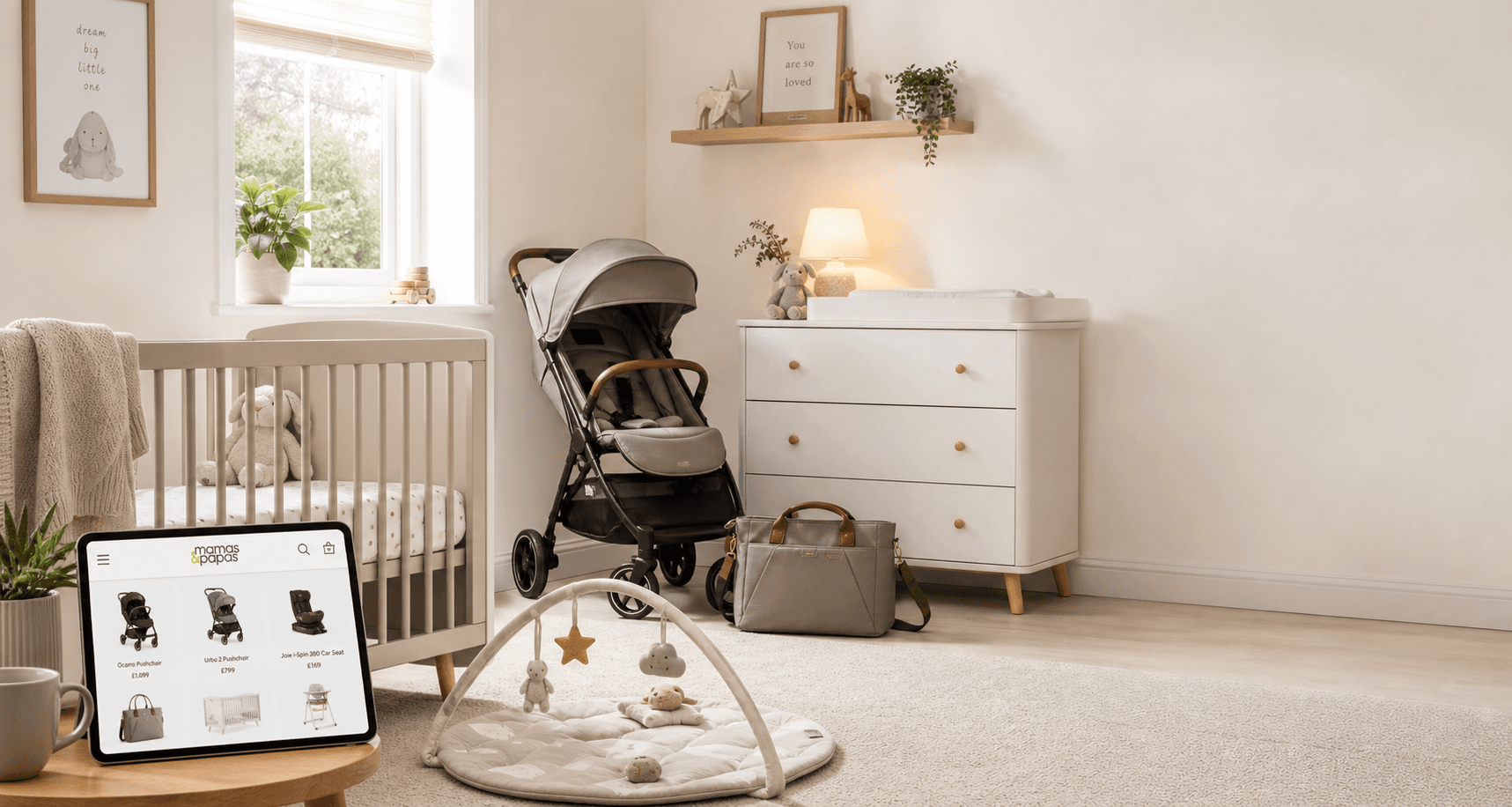
Why planning matters for parents
Preparing for a new arrival is exciting, but the sheer range of baby products can make even the most organized parents feel unsure about where to start. In the kids and babies category, the essentials often span multiple areas—pushchairs and carriers, nursery furniture, bedding and textiles, feeding and bathing accessories, playtime gear, and everyday clothing. Getting clarity on what you truly need, when you’ll need it, and how it all fits into your home and routine can help you shop confidently and avoid last-minute scrambles. Retailers like mamasandpapas.com bring many of these categories together in one place, which supports better comparisons across collections, sizes, materials, and price points. When browsing mamasandpapas.com, you’ll notice that product pages typically include detailed dimensions, care guidance, and compatible accessories—details that are particularly important with larger investments such as pushchairs or nursery furniture. A thoughtful approach begins with mapping your lifestyle. If you live in a city and anticipate frequent public transport use, a lightweight pushchair that folds quickly and stores easily in a hallway might be the better match. Suburban families may look for sturdy frames, puncture-resistant wheels, and generous under-seat storage for longer walks and errands. Within the nursery, consider whether you’re furnishing a compact space or a larger room that can accommodate a cot bed, dresser, and wardrobe from the same collection. Coordinated ranges can streamline decision-making while ensuring materials and finishes complement each other. Timing also matters. Some items—like a sleeping space, a few outfits, a safe place to set the baby down during the day, and basic bathing gear—are helpful from day one. Others—like highchairs or larger toys—can wait until later milestones. A realistic budget that separates immediate needs from “nice-to-have later” items can reduce pressure and help you allocate funds to the products you’ll rely on most in the first months. Finally, think about how purchases will grow with your family. Modular travel systems or cot beds that convert as your child grows can extend usefulness over time. Many parents also appreciate easy-care fabrics and removable covers that simplify cleanup, making day-to-day life more manageable.
What to look for and why
As you compare product types and ranges, prioritize practical details you will notice every day. For pushchairs, check folded dimensions, overall weight, wheel type, and seat recline options. If you plan to navigate curbs and uneven paths, features like robust suspension and lockable front wheels can improve handling, while compact folding mechanisms help with storage in tighter spaces. For travel systems, verify compatibility information on product pages so that components work smoothly together. In textiles and bedding, look for breathable fabrics and clearly stated care instructions—machine-washable covers and removable liners tend to save time. For furniture, pay attention to dimensions, assembly information, internal storage configurations, and whether a collection offers matching pieces to keep your room cohesive. It’s also useful to compare product content and support materials. Clear photography from multiple angles, video demonstrations of folding or setup, and size guides for clothing and carriers can simplify choices and reduce returns. Many retailers offer curated bundles that group frequently purchased items—such as a pushchair with a carrycot, rain cover, and footmuff—at a combined price, which can be a budget-friendly route if the components suit your needs. If you intend to build your nursery in phases, modular furniture series can help you expand gradually. When evaluating delivery and aftercare, look for realistic shipping timeframes, assembly guidance, warranty details, and customer service channels for help. If you prefer to compare items across seasons, keep an eye on collection refreshes, limited-time sets, or practical year-round accessories like seat liners and organizers. To see current collections, seasonal bundles, and service information in one place, you can explore offers and review the specifics for each product line. Another consideration is adaptability. Products designed to transition across stages—such as cots that convert to toddler beds or pushchairs with reversible seat units—can provide continuity as your child grows. If you anticipate traveling or using rideshares, lightweight gear that packs down quickly can be invaluable. For at-home comfort, look for textiles with soft hand-feel and durable stitching, as well as mattress and pillow options suited to your region’s general guidance. Finally, think about maintenance: spot-cleanable fabrics, spare parts availability, and clear care instructions support longevity and daily convenience.
Smart steps before you buy
A little preparation can go a long way toward getting the most from your budget and space. Start by measuring key areas: doorways, elevator entrances, hallway alcoves, car boots, and storage cupboards. Compare those measurements with folded dimensions and weight on each product page. If you’re considering a bundled set, check that every included component fits your lifestyle rather than assuming each item is essential. For pushchairs, make a short checklist of must-haves—such as one-hand fold, seat recline, adjustable handlebar, rain cover compatibility, or carrycot option—and use it to filter choices quickly. Plan your nursery layout on paper or with a simple room-planning app. Mark window positions, radiators, and any areas where you need clear floor space for safe movement at night. Group furniture by function: sleeping (cot or cot bed), changing (dresser with changer top or changing table), storage (wardrobe or shelves), and seating (a compact chair or rocking chair if desired). Consider textiles that simplify laundry routines—washable mattress protectors, fitted sheets in multiples, and muslins. For bathing and feeding, start with the basics you’ll rely on daily, then add specialty accessories once you understand your preferences. Timing purchases can help you manage cash flow and reduce stress. Order large items early enough to account for delivery windows, assembly time, and any minor adjustments to your layout. Keep packaging until you’re satisfied with fit and function, in case you need to make a return in line with the retailer’s policy. When comparing warranties, note coverage durations and what they include. For questions about stock, delivery, or compatibility, consult the retailer’s product Q&A, customer support channels, or local store advisors where available. For the latest collections and customer support links, visit the retailer’s official site and review details on the relevant product pages. Finally, consider a phased approach to buying. Secure immediate essentials for the newborn stage, then add items for later milestones as your needs evolve. A shopping list grouped by timelines—before baby arrives, first three months, and beyond—keeps decisions manageable. If friends or family ask how they can help, share a wish list or registry link focused on practical items like sheets, swaddles, or accessories for your chosen pushchair. By staying organized and focusing on fit, function, and aftercare, you can make choices that feel calm and considered, rather than rushed.
Key takeaways and next moves
Shopping for baby essentials becomes far more manageable when you anchor decisions to your space, routine, and stage-by-stage needs. Start by clarifying the basics: which items you’ll use from day one, how much storage and hallway space you have, and what kind of day-to-day travel you expect. Compare pushchairs by weight, fold, and handling; review nursery furniture for dimensions, assembly details, and coordinated options; and choose textiles with easy-care instructions to simplify laundry. Product pages with clear measurements, compatibility notes, and care details are invaluable, especially for larger purchases. If bundles suit your needs, they can provide value and convenience, while a phased buying plan preserves flexibility as your preferences evolve. Keep an eye on delivery windows, warranties, and aftercare resources so that big items arrive with time to spare. When you want to look across current collections in one place, a well-organized retailer helps you evaluate features without overwhelm. With a realistic budget, a simple room plan, and a prioritized list, you’ll be set to choose items that work together—from pushchairs and carriers to furniture, bedding, and accessories. A calm, methodical approach today can set you up for a practical, comfortable start in the months ahead.