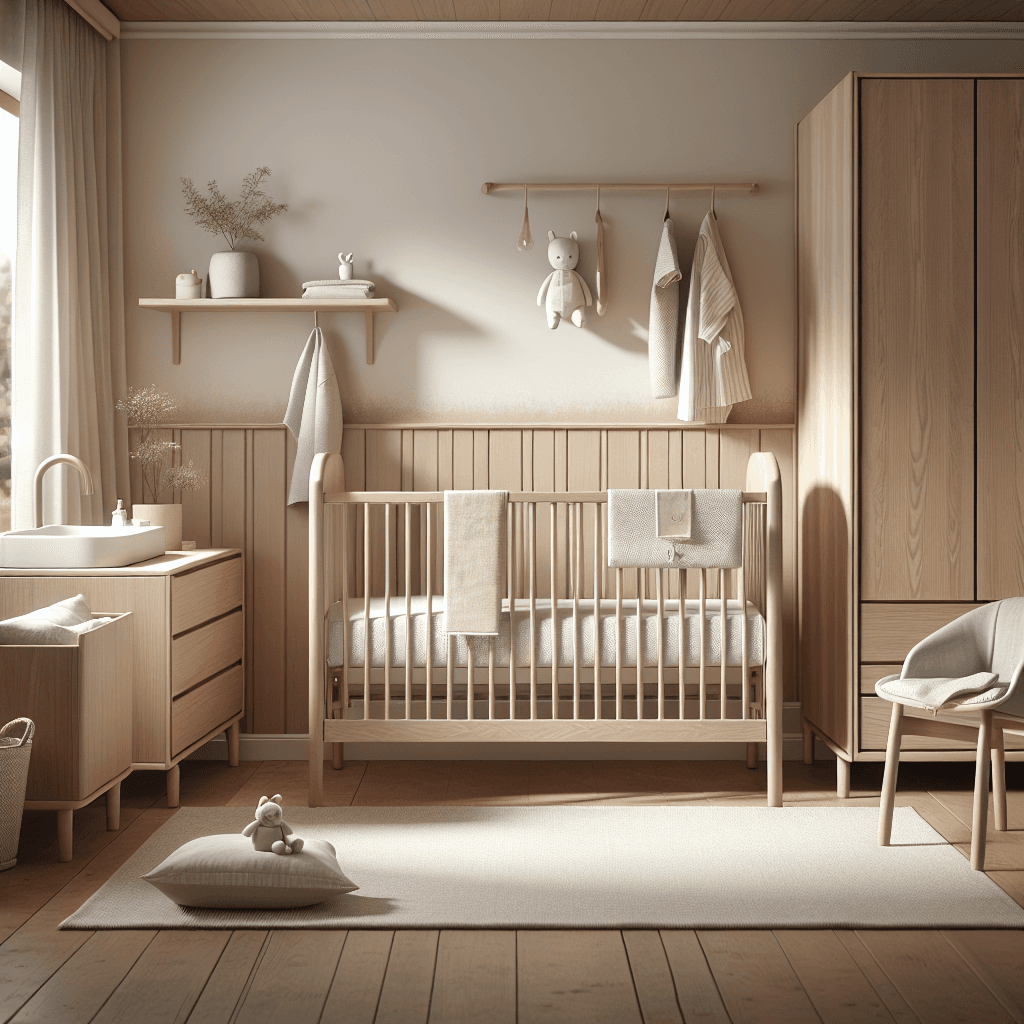
Why nursery furniture matters
Designing a nursery is an exciting milestone in the kids and babies category, but it also comes with practical decisions that shape your daily routine for years. The furniture you choose sets the tone for safety, comfort, and organization through newborn months and into the toddler stage. Beyond how a cot or dresser looks, the right pieces help you make midnight feedings more manageable, keep essentials within reach, and provide a reassuringly stable setup as your child grows. This guide explores what to consider when evaluating nursery furniture from brands known for durable, family-friendly design, with a focus on materials, build quality, safety features, and room planning. It also looks at how modularity and convertible designs can extend value well beyond the first year. Many families find it helpful to start with a core trio—cot or cot bed, dresser with changing space, and a wardrobe or tallboy—then expand storage as needs change. That approach reduces clutter, makes the nursery easier to clean, and gives you a clearer path for future updates, such as transitioning to a toddler bed without replacing everything. With nursery spaces often smaller than other rooms, scale matters as much as function. Furniture that is visually light, offers hidden storage, and fits standard mattress sizes tends to simplify both setup and shopping. Build quality can show up in quiet ways: smooth drawer runners, stable bases, rounded edges, and thoughtful cable or wall-fixing points. These details do not just make a room feel refined; they can also reduce day-to-day friction for caregivers. Materials and finishes are another key consideration. Many contemporary nursery ranges use a combination of sustainably sourced timber, engineered wood for stability, and durable finishes designed for easy cleaning. You will want to verify specific claims and certifications on each product page and think about how finishes coordinate with textiles and paint colors. While style is personal, neutral woods and muted paints are a reliable foundation for evolving decor. For a clear picture of what is available across sizes and styles, brands such as boori.co.uk offer collections that combine classic silhouettes with modern practicality, helping you balance longevity and aesthetics without overcomplicating the process.
Key features and benefits
When comparing nursery furniture, start with the cot or cot bed, since it anchors the room and influences everything from mattress size to layout. Convertible cot beds are designed to support early months and, later, toddler years by transforming with additional parts. Features to look for commonly include adjustable base heights, which can reduce bending during newborn stages, and carefully finished rails designed to be smooth to the touch. Many products in the UK indicate conformance to established standards, such as BS EN 716 for cots and relevant guidance for toddler beds and tip stability on case goods; always confirm details on the individual listing before purchase and follow the assembly and usage instructions provided by the manufacturer. Mattress fit is important for a comfortable sleep setup. Common cot mattress sizes include 60 × 120 cm and 70 × 140 cm, but you should check the exact dimensions recommended by the furniture maker to ensure a snug fit. Dressers with removable changing tops can serve a dual purpose in the early years and later convert to standard storage. Smooth runners, soft-close mechanisms, and secure drawer construction contribute to everyday ease. For taller storage, wardrobes or slim tallboys add hanging space and shelves for clothing that grows in size and number. Many ranges include coordinating bookcases or under-cot drawers for compact, out-of-sight storage. Materials and finish quality can have a major impact on durability and upkeep. Solid wood components, engineered timber for stability, and well-applied finishes that resist everyday wear are typical in quality nursery furniture. Low-odour, water-based finishes are commonly used in modern collections; if this is a priority for you, review each product’s specifications to understand the exact finish system in use. Sustainability-minded shoppers may also look for indicators such as responsibly sourced timber; where available, independent certifications are typically noted on product pages. In real homes, practicality and style intersect in ways that go beyond checklists. A warm wood cot can soften cooler wall tones, while a painted dresser can brighten a small space. Coordinating hardware and consistent leg profiles help pieces read as a single, cohesive set even when purchased over time. If you want to see a wide cross-section of finishes, silhouettes, and bundle-ready collections in one place, you can explore offers that illustrate how different combinations look and function together.
Planning, budgeting, and setup
Turning a wish list into a finished room works best when you measure early and plan for growth. Begin with the cot wall and a clear pathway for nighttime access, then layer in the dresser and wardrobe so that doors and drawers open fully without blocking movement. Measuring hallways and doorframes ahead of delivery helps avoid surprises during installation. It also pays to check listed product weights and build requirements, especially if you are assembling in a compact space or upstairs. Lead times can vary by collection and finish, so consider ordering core pieces earlier than textiles or decor, leaving some flexibility for final styling after the furniture arrives. Budgeting is smoother when you prioritise durable, multi‑stage items first. A convertible cot bed and a dresser with a removable changing top can serve from infancy through the toddler years and beyond, often reducing the need for near-term replacements. If space is tight, look for under-cot drawers, taller but slim wardrobes, and wall-anchored book ledges to keep floors clear. For fabrics and mattresses, use the size guidance recommended by the manufacturer and follow recognised safe sleep practices from official sources. Aftercare is another dimension of long-term value. Wipeable finishes simplify cleanup, and routine checks of fixings, wall anchors, and moving parts maintain stability over time. If you plan to expand the room later—adding a desk or upgrading to a larger bed—choose a neutral base palette now so new additions blend easily. Coordinating the grain tone of timber and the colour temperature of paints is a subtle way to keep the room feeling calm as it evolves. Warranty terms, spare parts availability, and customer support responsiveness can all influence your overall experience; reviewing these details at the start makes future adjustments much easier. When you are ready to evaluate exact collections, finishes, and bundle options, browsing the official site offers a helpful snapshot of dimensions, compatibility notes, and styling ideas you can adapt to your space. With measurements in hand, a realistic timeline, and a focus on adaptable pieces, you can create a nursery that feels welcoming on day one and remains practical as your child grows.
Summary and gentle guidance
A well-planned nursery simplifies daily routines, brings order to small spaces, and creates a calm backdrop for family life as your child moves from newborn to toddler stages. Starting with a versatile core—typically a cot or cot bed, a dresser with a changing space, and an appropriate wardrobe—helps you balance function, safety, and style. Confirming dimensions, mattress compatibility, and relevant safety guidance on each product page ensures that components work together smoothly. Materials and finishes influence both longevity and upkeep, so it is worth comparing wood types, finish details, and care instructions before you commit. If you anticipate future changes, convertible and modular pieces can extend usefulness and avoid early replacements. Thoughtful layout planning, early measurements, and attention to delivery timelines keep the project on track, while a neutral base palette provides room for personal expression through textiles and accessories. By focusing on durable construction, coherent design, and realistic next steps, you can choose nursery furniture with confidence and set the stage for a space that adapts gracefully to your child’s needs over time.