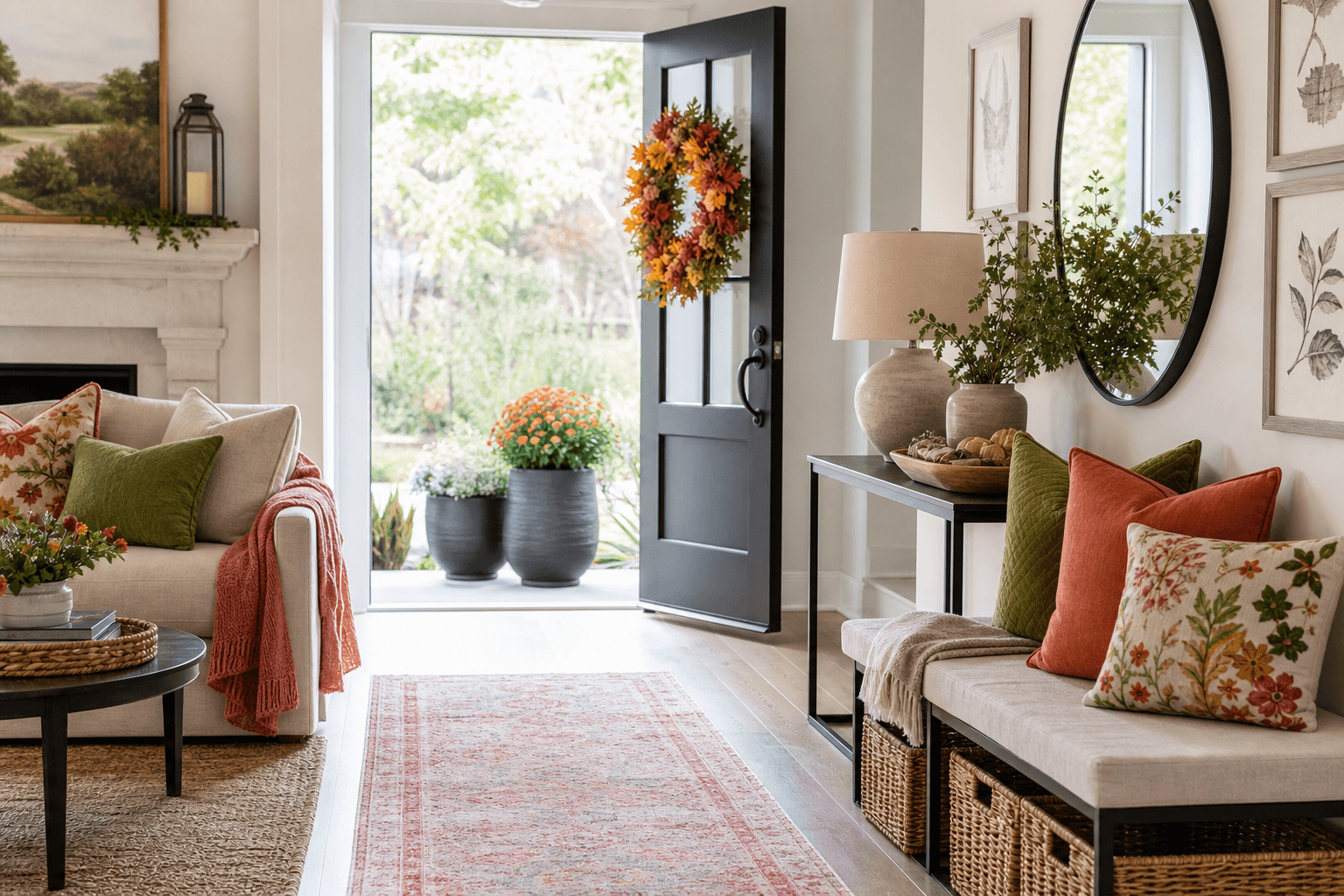
Why seasonal updates matter
Seasonal home updates are a practical way to keep your space feeling current, comfortable, and expressive without the cost or disruption of a full renovation. In the home and garden category especially, small, thoughtful changes can transform first impressions, guide how rooms function, and set a mood that aligns with the time of year. Many households face the same recurring dilemma: interiors drift into visual fatigue, outdoor spaces underperform across shoulder seasons, and storage or traffic flow issues creep back in as routines shift. A focused, seasonal refresh solves these pain points by working with what you already own, then layering in strategic swaps that do the most good—textiles, accent furniture, planters, greenery, wall art, and entryway touches. Retailers known for approachable, mix-and-match decor make the process easier; for example, curated collections from grandinroad.com highlight pieces designed to rotate smoothly between seasons without clashing with your core furnishings. If you are tackling spring or summer, the goal is airiness: breathable textures, crisp tones, and botanical motifs that usher in more light and movement. In fall and winter, the priority becomes warmth: deeper hues, plush layers, and lighting that softens shadows. Indoors, even a small update—an entry bench cushion, a few throw pillows, or a fresh rug runner—can reset an entire sightline. Outdoors, a coordinated front-door vignette, including a wreath, doormat, and planters, acts as a visual handshake for the home and ties together curb appeal. Beyond aesthetics, seasonality is also about function: mudroom solutions as school and sports gear ramp up, ottomans with storage for thicker throws as temperatures drop, and durable, weather-appropriate materials for porches and patios. By creating a simple, repeatable approach, you make updates less about guesswork and more about rotating a tried-and-true toolkit. That framework keeps spending intentional and helps you avoid either/or thinking: you can refresh meaningfully, stay on budget, and still create spaces that feel new. Over time, the habit of seasonal tuning also highlights what truly earns its place in your home, which improves cohesion from one room to the next and from the front step to the back patio.
Key pieces and practical ideas
Start with anchors: the entryway, living room seating, and your most visible outdoor zone. At the door, a high-quality wreath sets the tone, supported by a coordinating doormat and two flanking planters. Choose planters made of durable fiberstone, resin, or powder-coated metal for longevity; if you prefer low-maintenance greenery, look for UV-resistant faux botanicals that maintain color in direct sun. In living areas, opt for textiles you can rotate: throw pillow covers, a light-to-medium weight throw, and a washable accent rug. Layering these gives you maximum seasonal impact for minimal storage space. Accent furniture—such as an upholstered bench with a performance fabric, a slim console table with baskets, or an ottoman that hides blankets and games—adds function along with style. Consider materials as the backbone of longevity. Performance fabrics resist stains and are easier to wipe down, making them ideal for high-traffic seating. All-weather resin wicker, acacia wood with a protective finish, and powder-coated iron stand up well outdoors. For tabletops or consoles, a durable veneer or sealed wood resists scratches from keys, bags, and seasonal decor. Lighting is another smart lever: switch a reading lamp shade to a textured linen for summer and a richer weave for winter, and add battery-powered candles or LEDs for warm evening ambiance on the patio. Tie everything together with a color palette that flexes across months. For spring, think soft greens, sky blues, and warm whites. Summer invites coral accents, nautical navy, and sandy neutrals. In fall, lean on russet, ochre, and forest green. Winter benefits from inky blues, charcoal, and off-white to keep the space bright but grounded—then layer in metallics sparingly for glow. If you browse curated selections and seasonal collections online, you can quickly assemble a look that moves naturally with the calendar; many shoppers find it helpful to explore offers around key transitions like early spring and late summer to build their rotation. Finally, think in sightlines rather than isolated corners. If your entry, living room, and dining area are visually connected, choose a consistent base palette and repeat one accent color in smaller doses. Outside, echo front-door colors on the porch or in a planter set by the steps, then continue a thread of that palette on the back patio through cushions or lanterns. This consistency reads as intentional rather than theme-heavy.
Plan, personalize, and maintain
A seasonal refresh is easier when you follow a lightweight plan. First, take stock by photographing your main zones from the doorway and eye level. Photos reveal small imbalances—too many dark textures in one area or a gap where a bench or lamp could add function. Second, set a simple rotation calendar: two major changes per year, and two minor touch-ups in between. Major changes might include swapping out front-door accents, rotating pillow covers and throws, updating a rug runner, and changing a focal arrangement on the console table. Minor touch-ups can be a new wreath ribbon, a different planter filler, or repositioning furniture to improve traffic flow. Budget in tiers so you build steadily. Tier one focuses on textiles and greenery; tier two adds a versatile accent furniture piece; tier three upgrades outdoor seating or rugs to performance options. Measure carefully before buying: entry and hall runners should allow a few inches of floor to show on either side, benches need enough clearance for doors to open, and patio seating works best when walkways remain at least three feet wide. Many retailers provide size guides, material details, and care tips to keep items looking their best; when you’re ready to compare options, visit the official site and review product dimensions, fabric specifications, and cleaning recommendations together. Personalization keeps seasonal updates from feeling generic. Use a consistent motif—botanical, coastal, geometric—and express it through scale changes: a large wreath at the door, medium patterns in pillow covers, and a small echo in a tray or candleholders. Mix textures across rough and smooth, matte and reflective, to create depth without clutter. For upkeep, designate a single storage bin per zone (entry, living room, porch) labeled by season, and fold textiles neatly to prevent creasing. Clean planters before refilling and rotate faux botanicals to minimize UV exposure in peak months. Safety and durability matter too: secure wall art with appropriate anchors, place outdoor rugs on non-slip pads, and keep pathways clear of cords or decor. By blending planning with personal taste, you’ll build a reliable, low-stress rhythm—one that makes your home feel considered year-round without reinventing the wheel each time the weather shifts.
Final thoughts and next steps
A well-planned seasonal refresh brings momentum to your home and garden without big commitments. By grounding updates in versatile materials, a balanced palette, and a short list of high-impact swaps, you can move confidently from spring lightness to autumn warmth while maintaining cohesion. Focus on sightlines that people actually experience—entryways, living rooms, porches—and use textiles, planters, and accent furniture to do most of the visual work. Pay attention to function as much as style: storage that hides clutter, durable fabrics, and weather-appropriate finishes make daily life easier and keep pieces looking their best. Set a rotation calendar and a modest budget tier so your improvements stack over time rather than competing with each other. As you evaluate options from retailers known for seasonal flexibility, refer to sizing charts, material guides, and care instructions to match your needs. With a simple plan and a few reliable building blocks, the home you already have can feel freshly tailored to the season—and ready to welcome whatever comes next.