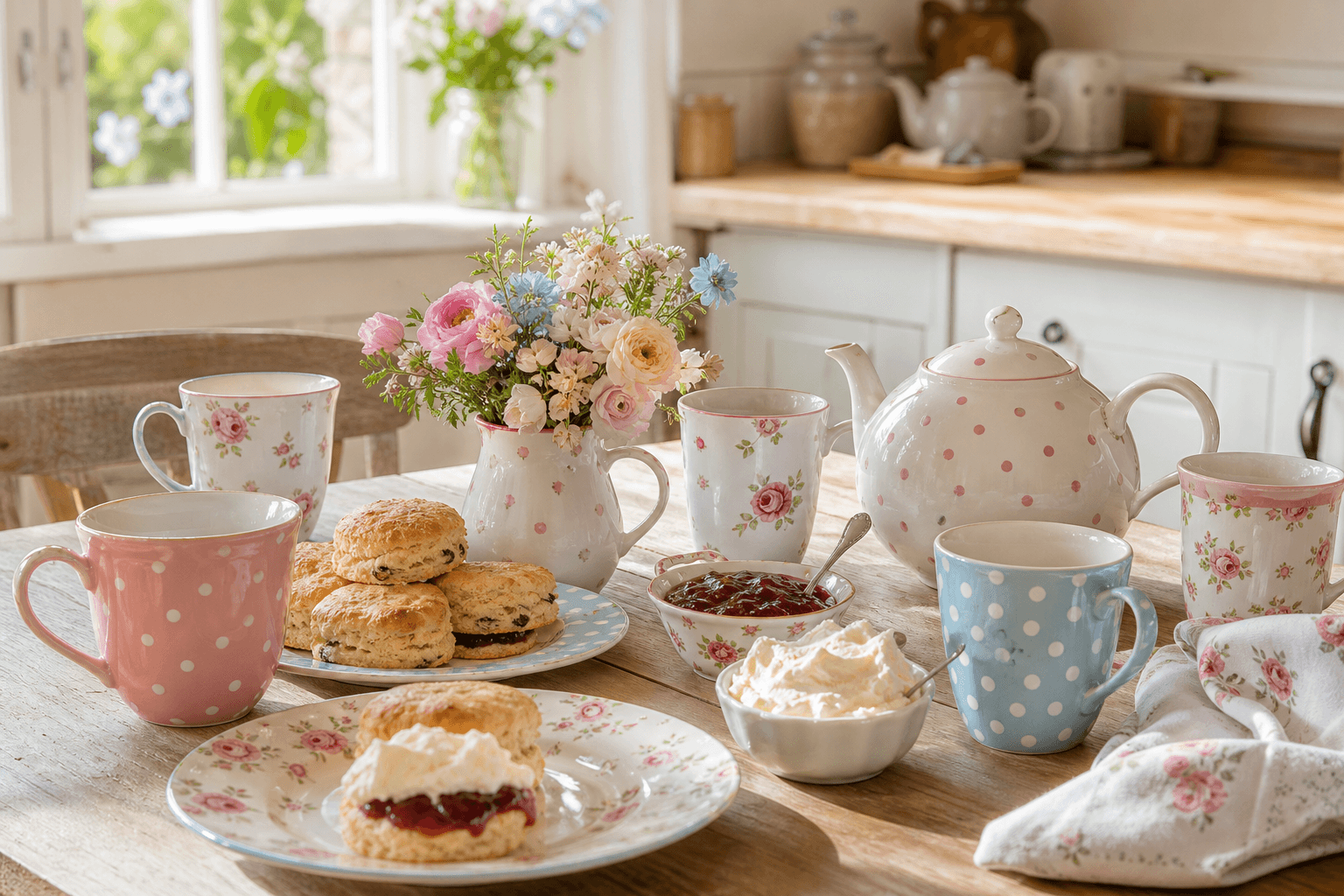
Why patterned pottery endures
In the home and garden category, tableware is one of the simplest ways to refresh a room’s mood without renovating. Cheerful mugs on an open shelf or a well-chosen set of plates can make an ordinary weekday breakfast feel inviting, and that everyday uplift is part of why patterned pottery continues to resonate. Emma Bridgewater’s signature approach—playful motifs, friendly color palettes, and mix-and-match flexibility—has helped many households build collections that look loved rather than overly coordinated. Yet with so many shapes, sizes, and designs, it can be hard to know where to start. This guide breaks down what to consider so you can select pieces that work for your space, your routine, and your style. The appeal goes beyond appearance. Sturdy earthenware has a gentle heft in the hand, feels stable on the table, and suits both everyday dining and casual entertaining. Mugs, bowls, plates, and serveware are designed to be practical in busy kitchens while still offering the charm of hand-finished decoration. If your cupboards are compact, the right choices will stack efficiently; if you love an open-shelf look, repeating colors or themes can create a cohesive rhythm across your display. Gift-givers also appreciate how easy it is to select one or two standout pieces—like a patterned mug or a small jug—when a full set is not the goal. Patterns are another strength. Spots, florals, nature prints, and seasonal designs give you permission to build a collection slowly, layering new favorites over time. That way, your table can shift with the seasons without discarding what you already enjoy. The result is an eclectic but harmonious look that rewards personal taste rather than chasing trends. To understand what’s current and how the designs group together, browsing collections on emmabridgewater.co.uk is a smart first step. Finally, there’s the question of everyday resilience. While hand-finished surfaces deserve sensible care, well-made earthenware can hold up to regular use when cleaned and stored properly. This makes it suitable for homes where pieces won’t be reserved for special occasions. In short, the right patterned pottery serves less as an accessory and more as a tool that invites daily rituals—morning tea, a quick soup lunch, or an easy supper—to feel considered and comfortable, meal after meal.
Materials, designs, and fit
When comparing homeware options, material and finish come first. Many decorative tableware ranges use earthenware for its warm, tactile feel and pleasing weight. A durable glaze protects the surface and brings patterns to life; it also helps prevent staining with sensible care. If you use a dishwasher, check product guidance, because lower-temperature, shorter cycles are generally kinder to decorated pieces. For microwaves, confirm individual item suitability and avoid rapid temperature shifts—these care habits extend the lifetime of the finish regardless of the pattern you choose. Next, think through sizes and shapes. Everyday mugs typically range from compact to generous capacities, with small options suiting espresso or a quick cuppa and larger profiles made for leisurely tea or coffee. Bowls vary from cereal and soup-friendly mid sizes to shallow pasta bowls that double as serving dishes in smaller households. Plates usually come in side, medium, and dinner diameters; combining a couple of sizes covers most meals without overfilling cupboards. Serveware—platters, cake stands, jugs—adds flexibility when guests arrive, but can also be practical for weekly routines, such as decanting milk into a jug to avoid frequent carton trips to the table. Designs often cluster by theme and color. Dots and geometric repeats are easy to integrate across seasons; florals and nature prints lend a soft, organic look; bolder patterns make a lively focal point on open shelving. Because many collections are intended to mix and match, choosing a base palette—think neutrals plus a preferred accent color—helps every new piece feel intentional. Limited or seasonal runs appear throughout the year, so you can browse seasonal releases and explore offers when available to round out your set or gift list. Storage and display matter as much as style. If you have slim cupboards, look for stack-friendly profiles with gently curved rims. Open-shelf displays benefit from varied heights: a cake stand or lidded jar at the back, mugs on hooks or in a tidy row, and plates facing forward for a gallery feel. As for extras, kitchen tins and canisters keep dry goods fresh while echoing table patterns, and small jugs or vases can pull double duty with flowers or sauces. Taken together—material, size, pattern family, and storage plan—you’ll arrive at a collection that looks like it belongs in your kitchen and earns its keep day after day. Finally, remember that emmabridgewater.co.uk offers a broad spectrum of everyday and gift-friendly items. If you’re starting from scratch, consider a small, versatile nucleus—two mugs, two bowls, two medium plates—and add from there as your needs become clear.
Smart buying and care tips
Before adding to cart, measure your storage. Shelf depth and height determine whether tall mugs or wide pasta bowls fit without rubbing. If you plan to hang mugs, confirm the spacing of hooks and the diameter of mug handles. For open shelves, map out a simple grid—larger, deeper items to the back; frequently used pieces within easy reach. If you host often, save a top shelf for occasional serveware so your daily stack remains stable and accessible. Build a starter set that suits real life. For a household of two, pairs of mugs, bowls, and medium plates cover weekday meals, while a serving platter and a small jug make weekend gatherings feel special. Households of four might double those numbers or add a dinner-plate size for heartier meals. Choose one anchor pattern you love, then introduce a complementary design that shares a color note; the shared hue ties everything together, even if the motifs differ. If you enjoy seasonal changes, plan a small rotation—perhaps festive mugs in winter and garden motifs in spring—so storage stays tidy. Care routines protect decoration without fuss. Space pieces in the dishwasher so they don’t touch, and use a gentle cycle when possible. Handwashing fine rims or special pieces is an easy safeguard. Avoid thermal shock: don’t move tableware straight from a hot oven to a cold counter, and let mugs cool naturally after microwaving. Use soft shelf liners or felt pads between stacked items if you store tall piles; this reduces scuffing on glazed surfaces. For stains from tea or tomatoes, mild, non-abrasive cleaners and a soft sponge are generally sufficient; confirm product guidance before using anything stronger. Budget and sustainability can align with slow, deliberate collecting. Add one or two pieces per season as needs emerge; refill tins and jars instead of buying single-use packaging; and favor versatile shapes that serve multiple roles. If you’re gifting, pair a patterned mug with fine tea or coffee, or bundle a small tray with napkins to create a thoughtful, ready-to-use set. Finally, confirm details before purchasing. Dimensions, care symbols, and current stock vary by item; you can check the full sizing charts and current availability on the official site and plan delivery timelines around holidays or peak seasons. With a clear list and accurate measurements, your pieces from emmabridgewater.co.uk will slot neatly into your kitchen and daily routine.
Key takeaways and next steps
Patterned pottery remains popular because it brings warmth, color, and function to everyday meals. If you like the approachable charm and mix-and-match freedom associated with Emma Bridgewater designs, a small but well-chosen collection can make each table setting feel personal without overcomplicating storage or care. Start by deciding on material expectations and confirming dishwasher or microwave guidance; then hone in on sizes that fit your shelves and reflect what you serve most. Choose an anchor pattern you love and a complementary design that shares a color note so everything looks intentional, even as you collect gradually. From there, add pieces with a purpose: mugs for your preferred brew size, bowls that suit breakfast and soup, plates that match typical portions, and one or two serveware items for guests. Keep care simple—gentle cycles, spacing in the dishwasher, and no sudden temperature swings—so decoration stays crisp. If you enjoy seasonal variation, plan a small rotation to keep cupboards orderly. And if you’re giving a gift, remember that one standout piece can be enough. With thoughtful selection and steady habits, your tableware will feel like a natural extension of your kitchen. When you’re ready to compare current designs, check sizing, and plan a purchase timeline, browsing updated collections and availability will help you choose confidently.