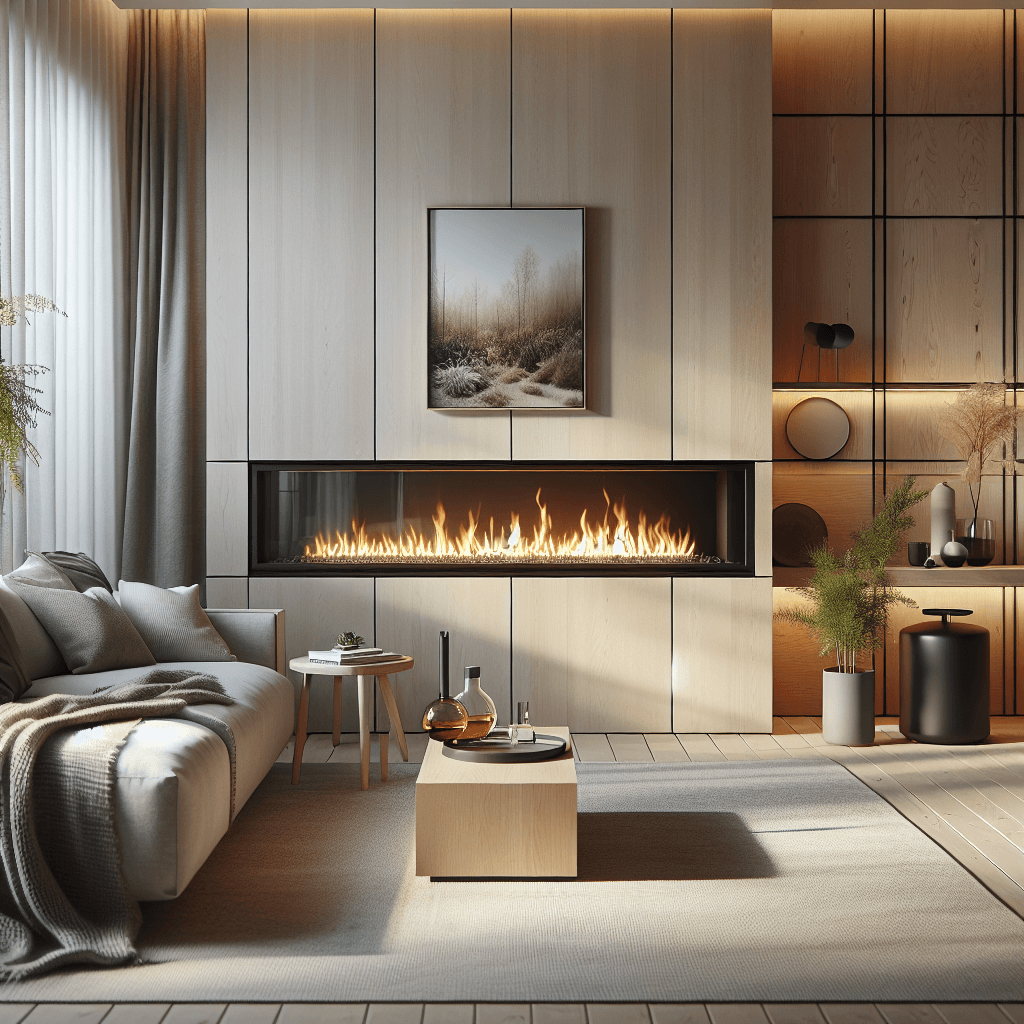
Why bioethanol suits modern homes
In the home and garden category, few upgrades transform a room as quickly as a well-chosen fireplace. Yet, traditional wood- or gas-burning models can demand chimneys, flues, and significant building work that simply aren’t practical for many properties—especially apartments, renovated spaces, or period homes where adding a vent isn’t feasible. This is where bioethanol fireplaces step in. They offer the inviting glow of a real flame without the need for a permanent flue, allowing more flexibility in where and how you design your room. Unlike electric inserts that simulate flame, bioethanol fireplaces use liquid bioethanol fuel to produce an actual fire. When burned correctly, the fuel emits primarily carbon dioxide and water vapour, similar to a candle, meaning there’s no smoke, ash, or soot drifting into your living area. That translates into low-maintenance ambiance—no logs to stack, no chimneys to sweep, and no residual mess. For many homeowners, the appeal lies in combining minimalist design with simple operation, all while preserving the pleasures of a living flame. Retailers such as bioethanol-fireplace.co.uk focus on a wide range of models suited to modern interiors. You’ll find freestanding stoves that move as your layout evolves, slim wall-mounted units that add a dramatic focal line, and recessed fireplaces that integrate seamlessly into bespoke cabinetry or feature walls. Many designs also include tempered glass guards and sleek metal finishes, helping the fireplace read as a contemporary design object rather than a heavy fixture. It’s important, however, to understand the role a bioethanol fireplace plays. While units can produce noticeable warmth, they are best viewed as supplemental heat and mood lighting rather than a primary heating system. Output varies by model and room size, and the open-flame design still requires sensible precautions—placing the unit on heat-resistant, stable surfaces; allowing adequate ventilation; and following the manufacturer’s instructions at every step. When approached thoughtfully, a bioethanol fireplace becomes a practical way to achieve an inviting, low-upkeep focal point that adapts to modern living constraints without sacrificing the authenticity of a real flame.
Key features, formats, and safety
Understanding the landscape of bioethanol fireplaces helps you match a model to your space, habits, and style. First consider the format: • Freestanding: These units are the most flexible, ideal for renters or anyone who prefers to avoid permanent alterations. Designs range from compact cubes to taller, stove-like silhouettes. They can be moved (when completely cool and empty) if you reconfigure your furniture or relocate. • Wall-mounted: Slim and architectural, wall-mounted models emphasize a linear flame and work well above low consoles or along feature walls. They require appropriate fixings and clearances, but avoid the bulk of a chimney breast. • Recessed/inserts: These set into a wall or custom enclosure to deliver a seamless, built-in look. Plan for non-combustible surrounds, proper clearances, and easy access for refueling and maintenance. • Tabletop/outdoor rated: Compact burners or lantern-style designs add atmosphere to dining tables, patios, or pergolas. Always verify the model is rated for outdoor use and shelter it from wind to maintain a steady flame. Burners are the heart of the unit. Many use stainless-steel reservoirs with ceramic wool or stone media that help stabilize the flame and moderate consumption. Typical fuel consumption can range roughly from 0.2 to 0.5 liters per hour depending on flame size and burner design. Burn times and heat output (often in the 1–4 kW range, depending on the model) vary, so review manufacturer data for your specific unit. You can see features such as adjustable flame controls, spill trays, integrated extinguishing lids, and glass guards that contribute to a safer, more controlled experience. Materials matter too. Look for robust stainless-steel burners and tempered glass components; powder-coated or brushed metal finishes provide durability and visual continuity. Some models include optional media, like ceramic logs or stones, to soften the contemporary look, though these should never obstruct burner vents. Safety is straightforward but non-negotiable. Operate only in well-ventilated rooms and never top up fuel while the burner is hot. Use approved bioethanol fuel from reputable suppliers to minimize odor and ensure consistent combustion. Keep flammables at recommended distances, observe all manufacturer clearances, and position units on stable, level, heat-resistant surfaces. For recessed installations, follow the brand’s enclosure specifications and, if in doubt, consult a qualified professional. Always read and retain the manual—proper use is the key to reliable performance and peace of mind.
How to choose and use
Start with your room: measure its dimensions and consider airflow. For compact living rooms or bedrooms, a small to mid-size burner may suffice as a decorative focal point that contributes gentle warmth. Larger, open-plan spaces often benefit from wider, multi-burner models or a long linear unit that visually anchors a seating area. If you’re renting or frequently restyling, a freestanding design brings maximum flexibility; homeowners planning a feature wall might prefer a recessed unit for a tailored, built-in effect. Placement strategy is crucial. Think about primary sightlines (from the sofa, dining table, or home office desk), natural circulation routes, and clearances from curtains or shelves. Provide a stable, heat-resistant surface and avoid placing the flame where it’s exposed to strong drafts. For wall-mounted or recessed options, check wall construction and fixings early in the planning phase, and reserve access for refueling and routine cleaning. If your building has guidelines for open-flame devices, ensure your choice complies before buying. Budgeting goes beyond the unit price. Include accessories such as glass guards, wall brackets, or decorative media; quality fuel; and any materials required for a safe surround. Many buyers also factor in fuel consumption: if your unit burns 0.25 liters per hour and you enjoy it for a few evenings each week, plan your refueling schedule accordingly. Store bioethanol in a cool, ventilated place away from heat sources and always refuel only when the burner is off and fully cool. Operation is simple when you follow the manual. Use a funnel for clean pours, light with a long-reach lighter, and give the flame a few minutes to stabilize. Adjust settings if available, and avoid moving the unit while in use or still warm. Wipe the burner and glass when cool to keep everything clear and streak-free. Ventilate the room periodically as you would with candles. Finally, consider service and aftercare. Reputable retailers such as bioethanol-fireplace.co.uk provide product specifications, manuals, and support to help you install and operate responsibly. For a deeper look at formats, fuel options, and compatible accessories, you can learn more before deciding. A thoughtful approach—measuring your space, selecting the right format, and adhering to safe practices—will ensure the flame becomes a dependable, design-forward centerpiece in your everyday routine.
Final thoughts and next steps
Bioethanol fireplaces deliver the atmosphere of a real flame with the flexibility modern homes often require. Without the need for a chimney or flue, they unlock design possibilities for apartments, renovations, and open-plan spaces where a traditional fireplace would be impractical. Freestanding, wall-mounted, recessed, and outdoor-rated models let you tailor the look to your layout, while features like tempered glass guards, spill trays, and adjustable burners elevate day-to-day usability. Approach your choice with practical criteria: room size and ventilation, preferred format, clearances, materials, and aftercare. Treat bioethanol as a supplemental heat source that excels at creating ambiance and zone warmth. Follow the manufacturer’s guidance for installation, fuel handling, and maintenance; use approved fuel; and keep a consistent routine of ventilation and cleaning for a comfortable experience. If you’re comparing designs, focus on burner quality, construction materials, and documented performance data (consumption rates, recommended room sizes, and safety clearances). Retailers like bioethanol-fireplace.co.uk offer a wide view of options to match different interiors and budgets. With a clear plan and safe operation, you can enjoy the simplicity, low-maintenance appeal, and contemporary look of a bioethanol fireplace as a lasting focal point in your home.