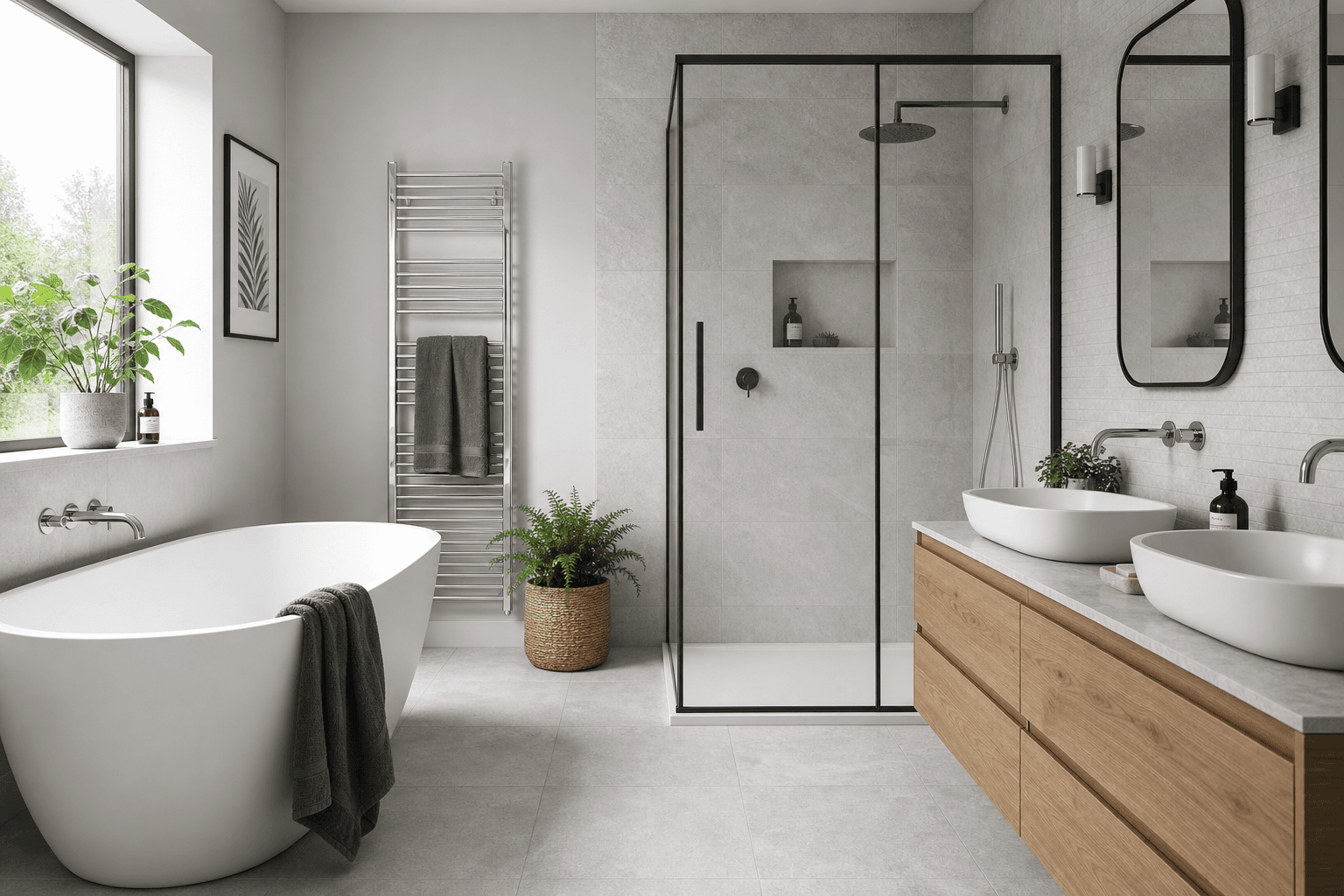
Setting the stage
Renovating a bathroom is one of the most rewarding home and garden projects, adding comfort to daily routines and value to your property when it is planned carefully. Whether you are refreshing a cloakroom, upgrading a family bath, or shaping a compact ensuite, success begins with clear objectives. Start by defining who will use the space, how often, and what must improve: storage, accessibility, water efficiency, or simply a more relaxing setting. Consider your layout constraints, existing plumbing routes, and whether a bath, a shower, or a combo makes the most sense for your lifestyle. In small rooms, every millimetre counts, so choices like wall-hung furniture and smart storage can reclaim precious floor area and make cleaning simpler. Another early decision is your style direction. Do you prefer timeless simplicity with white sanitaryware and neutral tiles, or a bolder statement with textured finishes, colour, and brass or black accents? Make a mood board with two or three reference images, and aim for consistency in metal finishes and material tones. Parallel to style, set a realistic budget that covers not just products but also installation, waterproofing, ventilation, lighting, and a modest contingency. Bathrooms are high-moisture environments, so the core investment in tanking, quality fixtures, and proper extraction repays you with reliability and lower maintenance over time. When researching suppliers, look for breadth of choice, clear specifications, and dependable delivery windows that match your project schedule. It helps to compare suites, showers, furniture, and heating in one place so you can coordinate finishes and sizes. If you want to gauge what is available in the UK market quickly, browsing a specialist retailer like wholesaledomestic.com can give you a broad view of styles, price points, and compatible accessories in a single session. Keep a running list of must-haves and nice-to-haves as you narrow choices. Finally, think ahead about practicalities such as where towels will hang, the swing of a door versus a sliding option, and whether lighting layers—task, ambient, and accent—will each have their place. Building these fundamentals into your plan from the outset will streamline every decision that follows and help you avoid costly changes later.
Choosing fixtures and finishes
Once your layout and priorities are clear, turn to the core components. For sanitaryware, a complete suite can simplify coordination: a close-coupled or back-to-wall toilet paired with a compatible basin and bath ensures consistent lines and finishes. Wall-hung toilets and basins free up floor space and make cleaning easier, provided your walls can take the load or you include a frame system. On the shower side, mixer showers offer stable temperature when paired with a thermostatic valve, while electric showers can be practical where hot water supply is limited. Digital and concealed valves keep the look streamlined, and low-profile trays or walk-in enclosures deliver a modern, barrier-light aesthetic. Bath choices often come down to routine. If bathing is an occasional luxury, a shower bath might be the most efficient use of space; if it is central to your unwind time, a freestanding or double-ended tub may justify the footprint. For basins, countertop bowls provide design impact and storage beneath, while semi-pedestal or furniture-integrated basins balance form and function. Consider taps with ceramic discs for longevity and choose finishes—chrome, brushed nickel, brass, or black—that echo your shower and accessory hardware for a cohesive scheme. Tiles and wall coverings need equal attention. Porcelain tiles are durable and water-resistant; larger formats reduce grout lines for a cleaner look. In busy households, low-maintenance finishes save time. Alternatives such as SPC and waterproof wall panels can accelerate installation and are often lighter than tile on substrates. For floors, ensure slip resistance ratings are appropriate, particularly in wet zones. Ventilation is non-negotiable: a good extractor sized to the room helps prevent mould and protects finishes. Finally, sync product choice with installation realities—dimensions, pipe positions, and stud locations. Check technical drawings and clearances for doors, towel radiators, and storage to avoid conflicts. Reputable retailers provide detailed specs and delivery options that align with project timelines; it is worth comparing lead times as you shortlist products. If you are consolidating choices, it can be efficient to review bundles, seasonal savings, or multibuy advantages in one place; you can explore offers that group suites, enclosures, and accessories to streamline coordination and help keep costs predictable.
Planning, ordering, and installation
With your fixtures and finishes identified, turn your plan into a clear sequence. First, measure accurately and confirm all dimensions against product specification sheets, including projection from walls, door swings, and the required service space for traps and valves. Create a simple drawing with elevations and mark studwork, pipe runs, and electrical points for lights, shaver sockets, and a heated towel rail. If you are upgrading to a wet-room style shower, include waterproofing details: tanking membranes or boards, compatible adhesives, and recommended grout and sealants. Next, build a practical budget and timeline. Allocate funds to the essentials—sanitaryware, shower components, waterproofing, ventilation, and lighting—before allocating to premium upgrades. Include a contingency for unforeseen substrate repairs. Confirm stock availability and delivery windows so materials arrive before trades need them. Order heavy or long-lead items first and store them safely; inspect packaging on arrival so any issues can be resolved ahead of installation. For installation, align your schedule in logical phases: rip-out, first fix plumbing and electrics, boarding and tanking, tiling or panel installation, second fix fixtures, silicone and final snagging. If you are working with professionals, provide them with all datasheets and your annotated plan early. If you intend to tackle minor tasks yourself, stay within safe, legal boundaries and use qualified trades for electrical and gas-related work as required by regulations. Clear, updated measurements and prompt decisions on details—like the exact height of a shower valve or the placement of a niche—help maintain momentum on site. Think about the long term as you finalise choices. Water-saving dual-flush toilets, aerated taps, and quality cartridges reduce consumption and wear, while easy-clean coatings and rimless designs simplify maintenance. Choose storage that fits daily habits—vanity drawers for toothbrushes and hairdryers, tall units for towels—and allow space for bins and spare toilet rolls so surfaces stay calm and uncluttered. When you are ready to lock in a final basket, reviewing a specialist retailer’s comprehensive range can save time; browsing the official site for coordinated suites, enclosures, heating, and accessories helps you validate compatibility before you purchase. After installation, follow care guidelines—wipe down shower glass, refresh sealant as needed, and service cartridges periodically—to protect your investment and keep your bathroom looking its best.
Summary and next steps
A successful bathroom renovation balances style, function, and reliable build quality, and it starts with a clear brief. Define who will use the room, map a layout that respects your plumbing and space, and choose a cohesive palette of sanitaryware, brassware, tiles, and storage. Prioritise waterproofing, ventilation, and appropriate lighting to protect finishes and support daily comfort. As you shortlist products, check technical drawings, delivery windows, and aftercare guidance so your schedule stays on track. Coordinating larger items—baths, enclosures, furniture—with accessories like mirrors, towel radiators, and taps from a single source can simplify matching finishes and reduce decision fatigue. When your order arrives, inspect items early and keep datasheets close at hand for a smooth installation. With thoughtful planning and dependable products, your new bathroom can become a calm, durable space that works day to day and feels considered from the first turn of the tap to the final polish on the mirror.