Why the right gear matters
Choosing the right outdoor and range gear can turn a day in the field or at the bench from frustrating to rewarding. Whether you’re preparing for a quiet archery session, a day of target practice with friends, or a multi-day backcountry pursuit, the right equipment supports safety, comfort, and consistency. In the health, fitness, and sports context, where endurance, coordination, and focus all play a role, dependable gear helps you conserve energy, stay organized, and keep your attention on form and fundamentals rather than on improvising fixes. That’s why many enthusiasts look to a comprehensive retailer such as midwayusa.com: a single destination simplifies comparison and compatibility checks across apparel, optics, packs, range equipment, and essential accessories. The challenge, of course, is navigating such a large catalog. Too many choices can lead to decision fatigue, and small oversights—like mismatched layers for the weather, or hearing protection that doesn’t seal well—can undermine an otherwise carefully planned outing. On the other hand, a measured approach puts the emphasis on purpose first, gear second. Define the activity, climate, and duration; consider your experience level; and sketch the logistics from home to site and back. Then, match those needs to features like breathability, impact resistance, capacity, and portability. A retailer known for breadth is especially valuable when you’re building a kit over time. As your skills progress, you’ll refine preferences on fit, material feel, and tool ergonomics. Entry-friendly options can handle casual use, while mid-tier and premium choices emphasize durability and nuanced performance. Product detail pages, sizing charts, and customer Q&As help narrow the field, while return policies and warranties provide peace of mind as you test what truly suits your routine. If you’re consolidating purchases or comparing long-term value, shopping across categories at a single source can reduce shipping costs and help ensure accessories and parts complement one another. For many shoppers, it’s reassuring to find apparel, optics, range bags, targets, eye and ear protection, and camp essentials in one place at midwayusa.com, especially when keeping a focus on safe, responsible recreation and adherence to local guidelines.
What to evaluate first
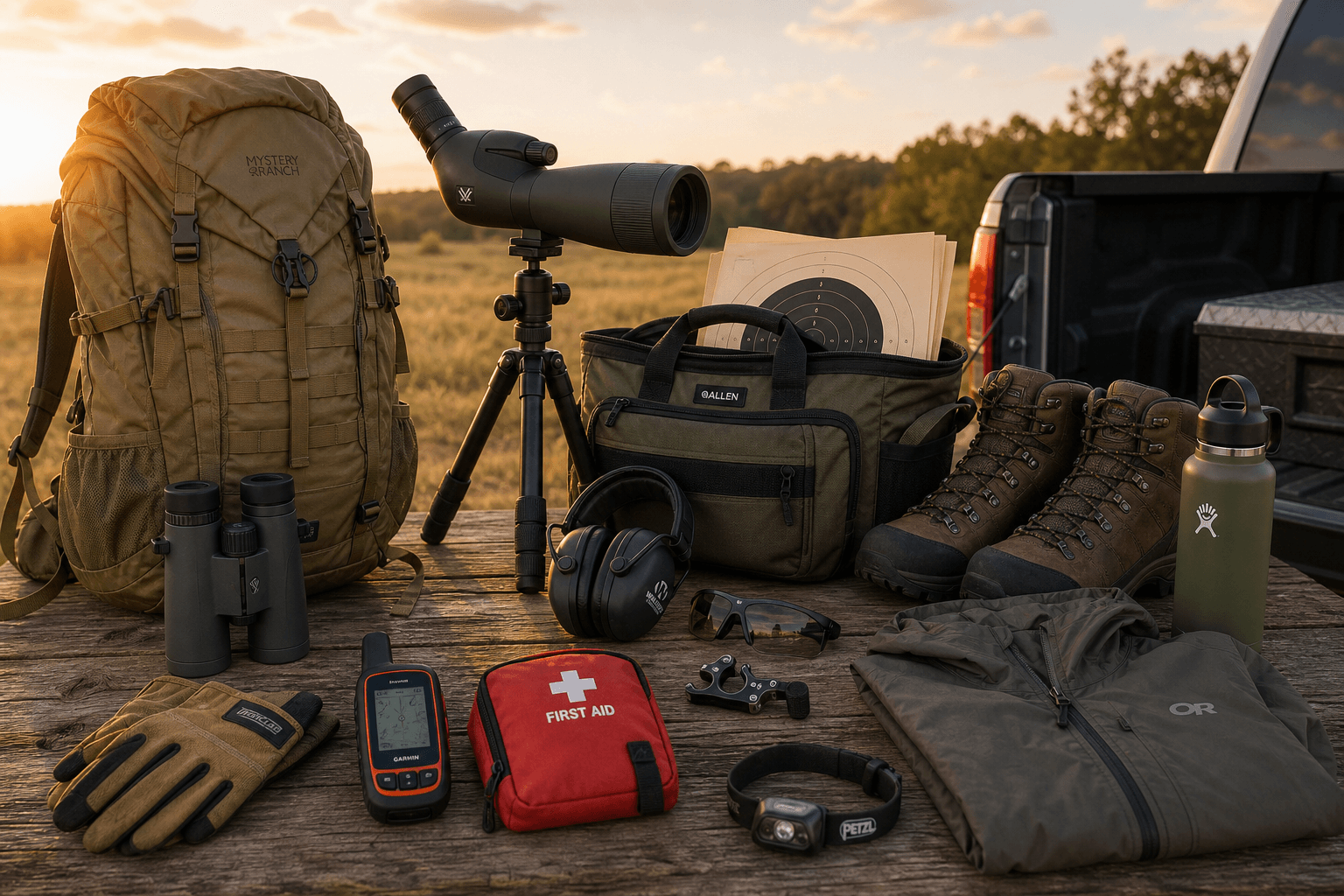
Start with the fundamentals that apply to nearly every outdoor or range activity: safety, fit, and weather readiness. Quality eye protection should meet recognized impact standards and offer a comfortable nose bridge and temples so you’ll actually wear it all session. Hearing protection is equally important; over-ear muffs and in-ear plugs list a Noise Reduction Rating (NRR). Choose a solution that seals well, is comfortable for the duration you plan to spend on the line, and, if desirable, provides electronic ambient sound control for communication. Next, address apparel and footwear. For variable conditions, build a breathable base layer, an insulating mid layer, and a weather-resistant shell. In hot climates, prioritize moisture management and sun protection; in cold or wet conditions, look for wind resistance and a durable water-repellent finish. Footwear should match terrain: stable soles for rocky ground, supportive midsoles for long days on your feet, and materials that balance breathability with protection. Pay attention to sizing charts and reviews that mention width, arch support, and break-in time. Organization is the third pillar. A well-designed pack or range bag saves minutes you’d otherwise spend hunting for small tools and accessories. Look for purpose-built compartments for eyewear, ear pro, hydration, targets, and small parts. If you carry optics, make sure the bag offers padded sleeves and a secure tripod attachment. For optics themselves, consider how magnification, field of view, and eye relief trade off: a versatile binocular in the 8x to 10x range suits many field scenarios, while a spotting scope on a stable tripod helps with distant detail and group evaluation. Always check weight and stability so you can hold a steady image without fatigue. Rounding out your short list are maintenance and comfort items. A compact cleaning kit for eyewear and lenses, a microfiber cloth, and a small first-aid kit are smart defaults. Hydration, snacks, and weather add-ons—like a packable puffy, sun hat, or lightweight rain shell—keep you focused longer. Many retailers offer tools to filter by brand, material, rating, or price; they may also highlight seasonal savings or clearance sections. If you’re stretching a budget, compare warranties and look at price-per-use rather than only upfront cost. When you want a quick snapshot of current promotions, browsing a consolidated deals area can help you explore offers without losing track of must-have features. Throughout, keep your selection aligned with your activity goals and local guidelines for safe, responsible recreation.
Practical steps to buy
Translate your needs into a short, prioritized checklist. Write down the primary activity, environment, and duration—say, a half-day range session in warm weather or a two-day backcountry trip with changing forecasts. Set a target weight for your kit and a realistic budget. Then, for each item, define one non-negotiable attribute (for example, ANSI-rated eye protection or a pack with a ventilated back panel) and one nice-to-have (such as magnetic tool pockets or a quick-access optics sleeve). This simple framework prevents impulse buys and keeps your cart focused. Sizing and fit come next. Measure with a soft tape and compare to product size charts; read multiple reviews to identify patterns about fit and comfort over time. If you wear prescription glasses, ensure eye protection and hearing muffs won’t pinch or create gaps. For footwear, consider trying on at the end of the day when your feet are slightly swollen, which simulates a long outing; if shopping online, choose retailers with clear exchange policies. For packs and harnesses, check torso length recommendations and strap adjustability. Compatibility reduces friction. If you already own optics, confirm that any mounting plates, tripod heads, and protective cases match. For range sessions, plan space for targets, tape, markers, a small tool kit, and safety spares (ear plugs, lens wipes). For field days, verify your hydration system fits your pack’s sleeve and routing, and make sure rain covers or pack liners are sized correctly. Build a simple maintenance routine—wipe down optics after dusty sessions, air-dry damp apparel, store gear clean and organized—so equipment is ready when you are. Safety and compliance are essential. Always follow manufacturer instructions for every product, observe posted rules at ranges and in public lands, and stay current with local regulations, age requirements, and transport guidelines. Training, practice, and supervision in appropriate settings build good habits that make outings more enjoyable for everyone. To streamline the purchase process, create a wish list, set stock or price alerts, and review return windows and warranty terms before checkout. If you want a deeper look at specs or brand-fit, product guides and customer Q&As on the official site can help you refine choices. Finally, pace purchases: start with core safety and comfort items, then add specialized tools as your skills and interests evolve. This steady approach maximizes value and keeps your kit purposeful rather than cluttered.
Key takeaways
Selecting outdoor and range gear is easier when you anchor decisions to clear use cases, safety, and comfort. Begin with eye and ear protection that you’ll wear consistently, then build out from weather-ready apparel, supportive footwear, and an organized pack or range bag. Calibrate optics, maintenance items, and accessories to the environments you actually frequent, not hypothetical extremes. Look closely at fit, materials, and warranties, and use retailer tools—filters, sizing charts, Q&As, and reviews—to translate features into daily value. A broad, well-organized catalog like midwayusa.com simplifies comparison across categories and helps align accessories and storage solutions from the start. Keep purchases compliant with local guidelines, observe manufacturer instructions, and treat training and preparation as part of the experience. By prioritizing essentials first and layering in specialized items over time, you’ll build a kit that’s comfortable, safe, and adaptable. With a plan, a short checklist, and a focus on long-term usability, your next range day or outdoor outing can be more focused and enjoyable, supported by dependable gear that meets your needs without excess.