Why on-demand groceries matter
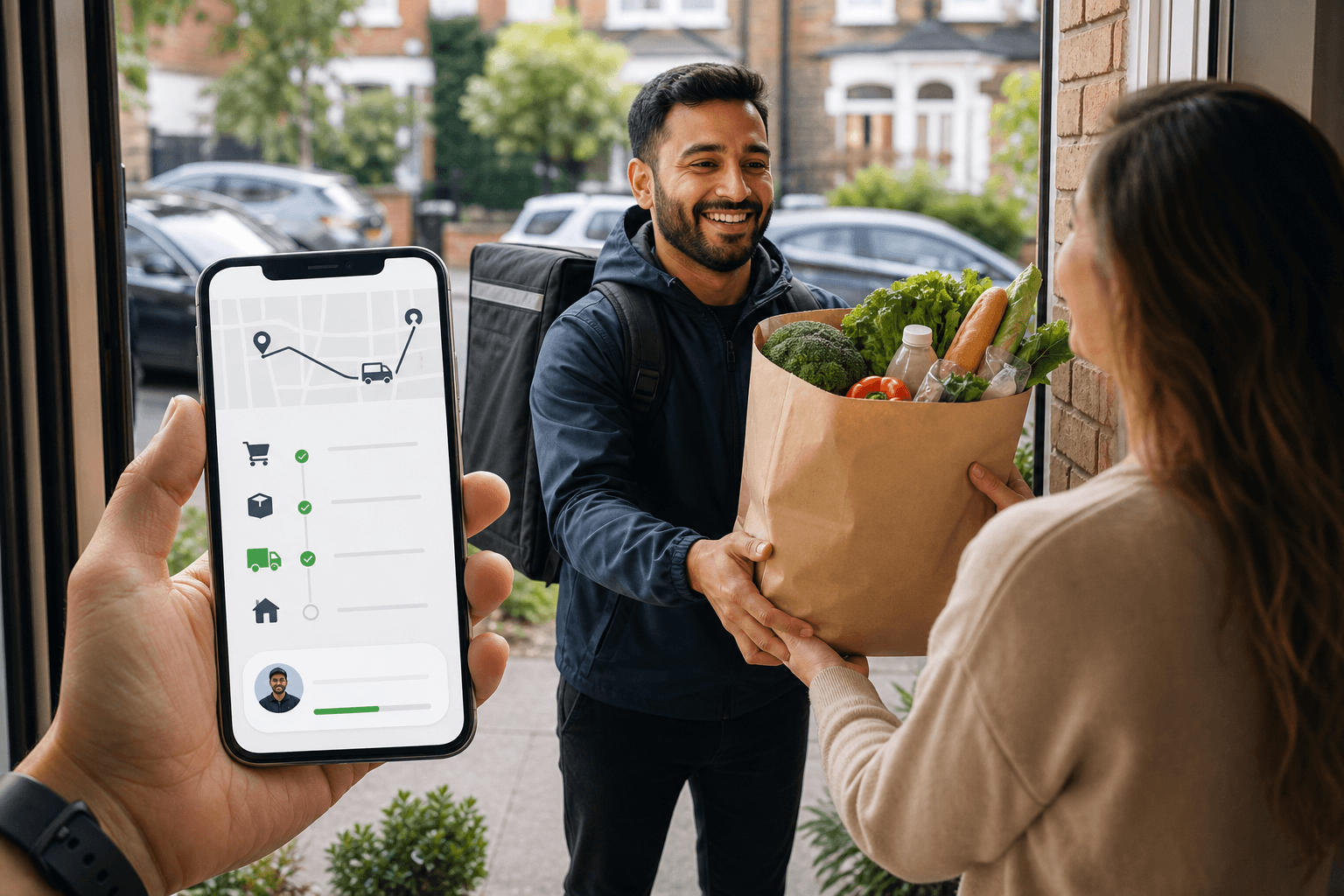
On-demand grocery delivery has become a practical extension of how many people manage food and household supplies, especially when schedules are tight or a last-minute ingredient threatens dinner plans. In the food and grocery category, the benefit is not simply speed for its own sake; it is about filling gaps that appear between larger shops, handling unplanned needs with minimal disruption, and accommodating customers who may prefer or require delivery for accessibility or convenience reasons. Services such as beelivery.com are designed to connect local couriers and nearby stores with customers who want essentials brought to their door, typically within the same day and often much sooner, depending on location and time of day. The emphasis is on top-up shopping—think milk, bread, snacks, drinks, or a missing spice—rather than a fully planned weekly stock-up. Because these orders rely on availability in your area and the current pool of couriers, delivery times, item selection, and fees can vary. That variability is central to how the model works and is worth understanding up front. If you live in a postcode with strong courier coverage at your typical ordering time, you may see quicker results; if not, you might wait a little longer or find that certain items are unavailable. Pricing also reflects the nature of convenience retail: per-item costs may differ from supermarket shelf prices, and overall totals often include delivery and service fees that cover the logistics of immediate fulfillment. When used for the right jobs—urgent cooking ingredients, last-minute household items, or a quick top-up before guests arrive—services like beelivery.com can help you save time and avoid unnecessary trips. The model also provides flexibility to people who can’t or prefer not to visit a store, whether due to mobility considerations, childcare schedules, or simply the practicality of staying at home. As with any delivery service, it’s smart to think in terms of trade-offs: you gain immediacy and convenience, and in return you accept potential item substitutions or a premium versus planning a larger shop in advance. By approaching it as a targeted solution rather than a blanket replacement for all grocery needs, you can put on-demand delivery to work where it makes the most sense.
How the service works
Ordering with beelivery.com typically begins by entering your postcode to check local availability, browsing a catalog of everyday products, and adding items to your basket. Because inventory often draws from nearby stores via local shoppers or couriers, you may see a practical mix of pantry staples, fresh items, snacks, beverages, and household necessities, with availability varying by time and area. Before you place your order, review the estimated delivery window shown in the app or site; it updates in real time based on courier supply and distance. You’ll usually be asked to confirm contact details and delivery instructions so the courier can find your address easily. If substitutions are possible, you may be able to approve alternatives or opt out for specific items, helping you balance flexibility with preference. Pricing on on-demand platforms reflects the convenience factor. You may encounter per-item pricing that differs from supermarket shelves, and the checkout screen will typically break out delivery fees, service fees, and any small-order charges. It’s wise to scan this summary carefully to understand the full cost of the order. Promotional codes or limited-time discounts may be available, so look for these on the site or in-app and, where applicable, apply them at checkout to offset fees. Many customers manage costs by building a concise basket focused on immediate needs and bundling a few complementary items to reduce any small-order surcharge. Payment is usually handled securely within the app or site using common card options, and you should receive order updates as your courier accepts, shops, and heads your way. Good communication helps with substitutions or clarifying directions; keeping your phone nearby can avoid delays. If you have questions about fees, delivery windows, or an order in progress, you can often use in-app help or a support channel for assistance. Features and policies may change from time to time as the service evolves to meet demand, so it’s smart to revisit the latest details and explore offers that might align with your ordering habits. As with any service that involves location data and contact information, review the privacy policy to understand how your information is used. Clear expectations about availability, fees, and substitutions can turn a one-off emergency shop into a smooth, predictable part of your household routine.
Tips to get the most
A few small habits can make on-demand groceries more predictable and cost-aware. Start by defining when this service makes sense for you: urgent top-ups, late-evening essentials, or times when leaving home is impractical. Build a shortlist of frequently needed items so you can check availability quickly and avoid impulse additions that push the order over budget. Before you confirm your basket, compare sizes and unit prices to ensure you’re getting the right quantity for the situation; a slightly larger pack can sometimes be better value if it prevents a second order the next day. Watch the checkout summary closely: if a small-order fee applies, adding a single staple may bring your total above the threshold and lower your effective cost per item. For delivery, make your courier’s job straightforward: double-check the address, provide concise instructions about entrances or intercoms, and keep your phone nearby for any quick clarifications. If your order includes items that require age verification, have your ID ready at the door to avoid delays. Consider sustainability and timing as well. Consolidating two urgent needs into one order, when realistic, reduces packaging and travel. If the option exists, choose a window that fits your schedule and local traffic patterns. Some customers prefer to leave a brief note requesting minimal packaging or to reuse bags when feasible. Tipping is discretionary; be mindful of local norms and your own budget. If you’re new to beelivery.com, verify service coverage for your postcode and skim recent platform updates so you know what to expect today, not just last month. It can help to check coverage on the official site before you plan a time-sensitive order. Finally, evaluate how on-demand fits alongside your broader shopping routine: you might keep a weekly supermarket delivery for bulk goods and reserve immediate services for gaps and last-minute needs. This balanced approach keeps costs predictable while maintaining the flexibility that makes rapid delivery so helpful. Over time, you’ll learn which items arrive most reliably in your area and what ordering windows align best with your day—turning urgent top-ups into a stress-free habit.
Key takeaways and next steps
Beelivery.com is most effective when treated as a targeted solution for everyday gaps—missing ingredients, quick household essentials, or moments when visiting a store isn’t practical. Because it connects local couriers and nearby retailers, availability, delivery estimates, and item selection can vary by postcode and time of day. The best experience comes from setting clear expectations, reviewing fees and substitutions before checkout, and preparing concise delivery instructions to help couriers reach you quickly. A few mindful habits—keeping a favorites list, watching small-order thresholds, and consolidating urgent needs where possible—can streamline costs without sacrificing convenience. For first-time users, confirming coverage and reading current policies helps avoid surprises. For returning customers, periodically checking updated features and promotions can keep the service aligned with your routine. Used alongside your regular grocery plan, on-demand delivery fills the in-between moments that otherwise cause stress or last-minute trips. When you approach it with a clear sense of purpose and a realistic view of trade-offs, it becomes a practical, time-saving complement to your weekly shopping habits.