Why smart choices matter
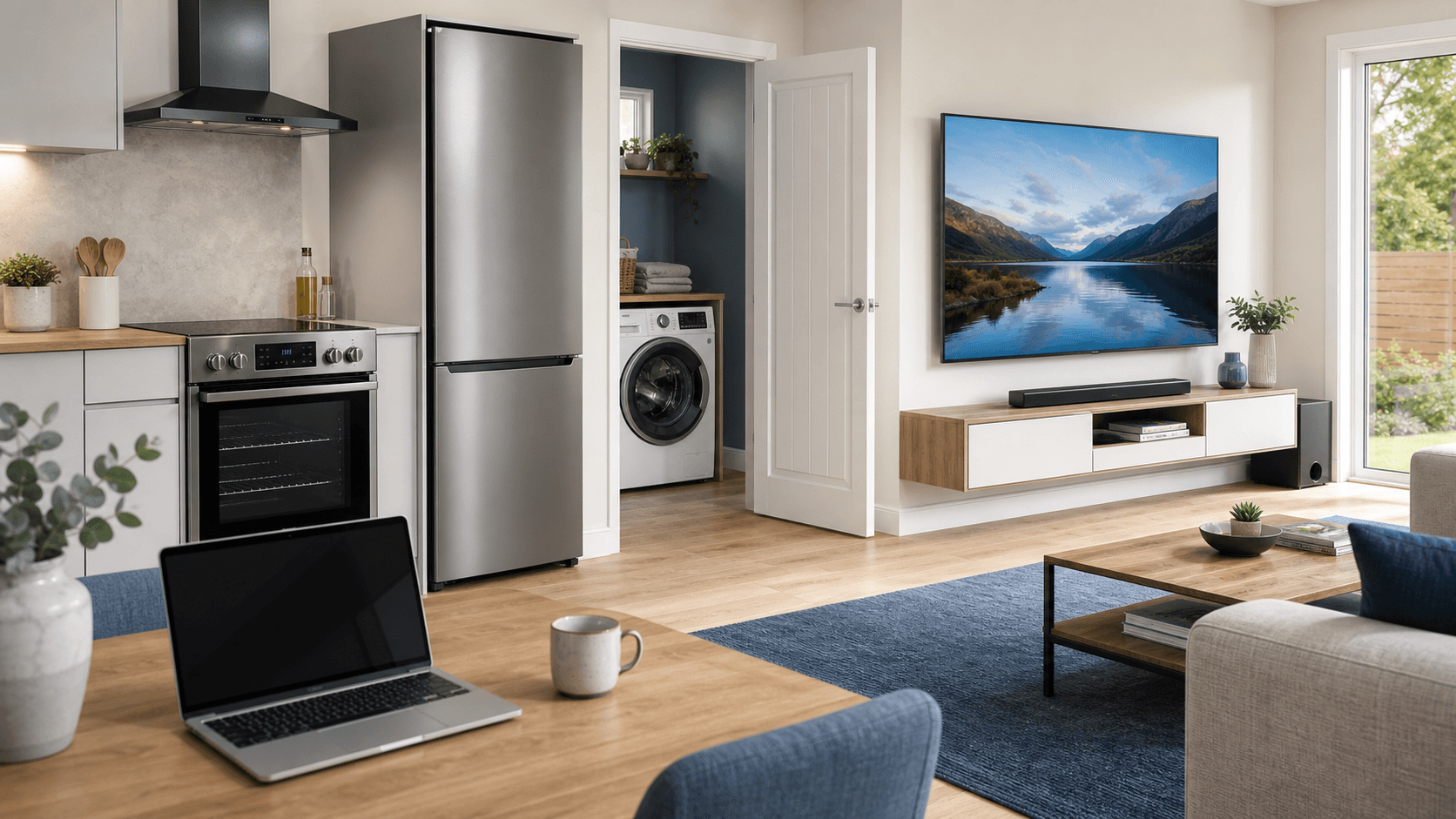
Whether you are moving into a first home, upgrading a growing family’s setup, or replacing a worn-out appliance, the electronics and appliances category can feel overwhelming. Today’s products pack in more features and formats than ever, and the right decision depends on how you live, the space you have, and the performance you expect. From picture standards on TVs to energy labels on washing machines and fridges, small differences on the spec sheet can translate into big changes in day‑to‑day comfort, running costs, and convenience. Retailers such as comet.co.uk bring many leading brands into one place, making it simpler to line up options side by side and see what really fits your needs. The aim of this guide is to help you frame those comparisons with confidence. Start by thinking about usage patterns. A couple working from home might prioritise a quiet washer with quick cycles and a laptop that balances portability with strong video‑call performance. A family with school-aged children might value a large‑capacity fridge‑freezer, a durable dishwasher, and a TV with robust parental controls. Students and renters often need compact appliances, simple installation, and budget‑friendly picks that still feel modern. Space is just as important as specifications: measuring alcoves, counters, and viewing distances early can spare you from unwelcome surprises later. The modern landscape also blends traditional appliances with connected features. Many washing machines and ovens support companion apps for alerts or remote settings, while TVs, soundbars, and streamers integrate with voice assistants and casting technologies. These functions can be handy, but they work best when they suit your habits and fit within your home network setup. If you do not need them, you can focus on straightforward models that channel resources into core performance instead. Finally, factor in the full ownership picture. Energy ratings on large appliances indicate relative efficiency in typical scenarios, which can influence ongoing electricity or water use. Noise levels matter in open‑plan homes or small flats. Build quality, service coverage, spare parts availability, and warranty terms shape long‑term peace of mind. With a little planning, you can narrow the field to a shortlist that balances price, features, and practicality—so your next TV, laptop, or kitchen essential supports life as you actually live it.
Key specs and real benefits
Large appliances: For laundry, capacity and drum design determine how well loads circulate and how often you need to run cycles. Around 8 kg suits many households; 9–10 kg helps with bedding or larger families. Spin speed influences drying time for cottons, while noise ratings (dB) matter if the machine sits near living areas. Look at program times and half‑load options if you often wash small batches. For tumble dryers, condenser and heat pump models avoid external venting; heat pump units are typically more efficient and gentler on fabrics. In dishwashers, flexible racks, adjustable tines, and zone washing add everyday convenience, and look for clear eco and quick cycles. Refrigeration: Consider fridge‑freezer splits (for example, 70/30 or 60/40) based on whether you store more fresh or frozen goods. No‑frost (or frost‑free) designs help reduce maintenance. Shelving adjustability, bottle racks, and crispers tuned for produce can cut food waste. If your kitchen is compact, door swing clearance and handle depth are as important as width and height. For American‑style models, check ice and water connections if applicable. Cooking: Induction hobs provide swift, precise heat and are easy to clean; check that your cookware is compatible. Ovens vary by capacity and cleaning method; pyrolytic cleaning reduces scrubbing by turning residue to ash, while catalytic liners absorb grease over time. Fan‑assisted modes can improve heat distribution. Look for clear temperature markings, timers you will actually use, and interior lighting that lets you see without opening the door. TVs and audio: Screen size is guided by viewing distance; many living rooms suit 50–65 inches. OLED panels offer deep blacks and strong contrast; QLED and high‑quality LED sets can be bright and punchy for daytime viewing. HDR formats such as HDR10 and Dolby Vision enhance detail in highlights and shadows if properly mastered content is available. Gamers should look for HDMI 2.1 features like 4K at 120 Hz, ALLM, and VRR. For sound, a slim soundbar with a wireless sub can greatly improve clarity over TV speakers; height virtualization or up‑firing drivers aim to recreate a sense of overhead effects where supported. Computing and small tech: For everyday laptops, an 8‑core or efficient modern processor with 8–16 GB of RAM and a 256–512 GB SSD suits most tasks, while dedicated creators may step up storage and memory. Look for Wi‑Fi 6/6E, a quality webcam and microphone, and the ports you need. In small appliances, capacity and form factor drive usefulness: an air fryer’s basket size dictates family portions; kettles vary by speed (wattage) and noise; mixers and blenders hinge on motor power and durable blades. Across ranges at comet.co.uk, you can compare dimensions, finishes, and smart features in one place and conveniently see features that map to how you actually cook, clean, work, and unwind.
How to shortlist and buy
Turn research into a clear plan by moving from must‑haves to nice‑to‑haves. First, measure the spaces where appliances will live: doorways and corridors for delivery, alcove width and height, ventilation gaps for fridges and dryers, and counter overhangs near cooktops. For TVs, confirm wall strength for brackets or stand depth on furniture. Note socket positions and cable routes to avoid stretching leads or blocking airflow. Set a realistic budget band, then assign priorities within it. For example, if you stream films in a dim room, you may prioritise an OLED TV for contrast and pair it with a compact soundbar, while choosing a mid‑range washer that still offers quiet operation. If you cook frequently, an induction hob and an oven with reliable temperature control might take precedence over a premium fridge finish. Consider total cost of ownership: energy ratings on major appliances, typical cycle lengths, water use, and consumables like filters can add up over years of use. Plan installation and aftercare. Delivery options may include timed slots, packaging removal, and installation services for cookers, integrated dishwashers, or wall‑mounted TVs. Check whether old‑appliance collection and recycling are available. Review warranty length and what it covers; extended cover can add convenience for some buyers, but always read terms to understand exclusions and service response. For connected devices, glance at app support, privacy settings, and whether features require ongoing subscriptions. Leverage reviews and comparison tools to cross‑check claims with real‑world experience. Verified customer feedback can highlight usability strengths—like intuitive dials or legible displays—and pitfalls—such as fiddly shelves or loud spin cycles. Pay attention to noise figures if your living spaces are open concept and look for consistent comments across different reviewers. Timing your purchase can help, but do not delay essential replacements too long. Seasonal promotions, bank‑holiday sales, and year‑end clearances sometimes align with product refresh cycles. If you are browsing ranges at comet.co.uk, you can use filters to narrow sizes, finishes, and features, and when you are ready to take the next step, head to the retailer’s official site to confirm stock, delivery dates, and current offers. Before checkout, re‑measure and re‑confirm that accessories—like HDMI cables, brackets, hoses, or stacking kits—are included or added to basket, so installation day runs smoothly. Once your products arrive, follow setup guidance closely. Keep ventilation gaps for cooling appliances, level washing machines to reduce vibration, and register warranties promptly. Simple maintenance habits—a monthly washer drum clean, descaling kettles where needed, vacuuming fridge coils if accessible, and software updates for smart devices—help retain performance and can extend useful life.
Bringing it all together
Choosing electronics and appliances is easier when you match specifications to daily routines and the spaces you live in. A few measured decisions—confirming dimensions, focusing on the features you will use most, and considering energy labels and noise levels—can prevent common pitfalls and keep your home running smoothly. TVs, laptops, and small appliances reward attention to the details that genuinely affect comfort, like display type for your viewing habits, webcam and microphone quality for calls, or basket capacity that fits family meals. Large appliances repay a long‑term view: drum size, shelf adjustability, and reliable cleaning modes can simplify chores for years. Retailers such as comet.co.uk make side‑by‑side comparisons straightforward across brands and budgets, bringing together size filters, feature highlights, and delivery options in one place. Use that breadth to refine a shortlist, check what is in the box, and plan any installation help you might need. With a measured approach—from must‑haves to nice‑to‑haves, and from purchase to maintenance—you can create a cohesive setup that supports work, cooking, cleaning, and entertainment without fuss. When your plan is clear, the right products tend to stand out, and your next upgrade feels like a natural, confident step.