Why the right bundle matters
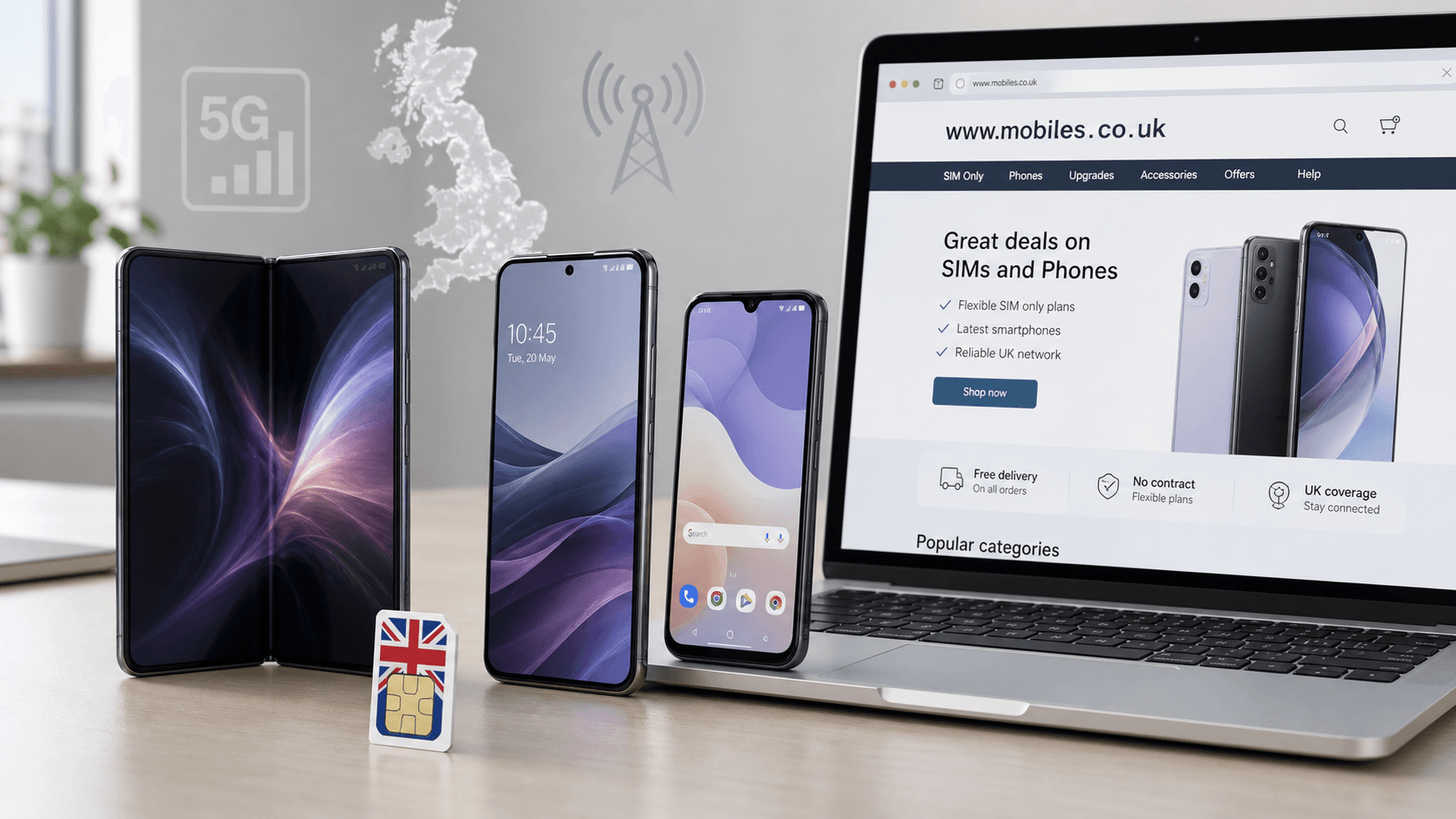
Smartphones now sit at the centre of work, entertainment, and everyday life, but the sheer number of models, tariffs, and extras can make a new purchase feel overwhelming. Within the broader electronics category, the right combination of handset and plan can shape your experience for years, influencing everything from camera quality and battery life to coverage, roaming, and monthly costs. Getting it right starts with a clear sense of what you actually need and how you use your phone, rather than what’s simply new. If you commute and stream often, for instance, you may prioritise sustained 5G coverage and a generous data allowance. If you travel for work, dual SIM or eSIM support and fair roaming terms matter more. Photography enthusiasts will appreciate optical image stabilisation and a reliable night mode; meanwhile, mobile gamers typically benefit from fast chipsets, higher refresh rate screens, and effective heat management. Retailers can simplify the decision by curating deals and clarifying plan details in one place. In the UK, retailers such as www.mobiles.co.uk aggregate a wide range of handsets and networks, helping you weigh up contract bundles, SIM-only options, and SIM-free prices side by side. That centralised view matters because total cost is influenced by more than the sticker price. You should consider the upfront cost, the monthly fee, contract length, potential mid-contract price adjustments based on a published index, and any extras like perks or data rollover. Refurbished models are a practical way to reduce cost and environmental impact without sacrificing quality; modern refurbishment standards can include multi-point inspections and warranty coverage, making them a sensible path if you don’t need the latest release. Beyond cost, feature fit is crucial. Look for eSIM support if you want easy switching or a travel data plan without swapping physical cards. Wi‑Fi Calling and 4G/5G Voice (VoLTE) can improve call reliability indoors, but carrier and handset support vary, so check compatibility before you commit. For international trips, review a plan’s roaming policy: some offer day passes or selected destinations at inclusive rates, while others charge different fees—small differences can add up. Finally, think about longevity: how long a device receives operating system and security updates is just as important as raw performance. A phone that fits your needs today and remains supported for several years generally delivers better value than a marginally faster device with a shorter update timeline.
Key features and plan choices
Begin with the hardware fundamentals. Processor and RAM determine responsiveness, especially if you multitask, edit media, or game. Flagship chipsets run intensive apps smoothly and often pair with advanced AI features for photography and speech processing, but upper mid-range processors have become remarkably capable for everyday use. Storage matters more than many buyers expect: 128 GB can fill quickly if you shoot 4K video or keep offline media, so consider 256 GB or higher, particularly on models without microSD expansion. Camera systems vary widely—beyond megapixel counts, pay attention to sensor size, the presence of optical image stabilisation, and the mix of lenses. An optical or high-quality sensor crop telephoto can deliver sharper portraits and distant detail; an ultrawide is handy for travel and group shots; and reliable video stabilisation helps with vlogs or family clips. Displays affect comfort and immersion. OLED panels typically offer deeper contrast, while LCD can still be bright and efficient on budget phones. Higher refresh rates (90–144 Hz) feel smoother, especially while scrolling or gaming, but consider the trade-off with battery life. Speaking of endurance, battery capacity (mAh) is only one factor; chip efficiency, adaptive refresh, and software optimisation matter just as much. Fast charging shortens top-ups, but verify the charger is included and check the maximum supported wattage. Wireless charging adds convenience, particularly if you share a pad with other devices. Connectivity features like 5G band support, Wi‑Fi 6/6E/7, Bluetooth 5.x, and NFC for contactless payments can future-proof your experience. Software support is central to longevity. Check each manufacturer’s update policy: some Android makers now promise multiple OS upgrades plus security patches for several years, and iOS devices are known for long-term support. Security features such as a secure enclave, biometric authentication, and on‑device encryption are standard on most modern phones, but implementation details differ—consider features like passkeys, Find My Device, and sandboxed permissions. Once you have a shortlist, assess plan structures. Contract bundles spread the cost over time and may include extras; SIM-free lets you pay outright and pair with a flexible SIM-only plan; and SIM-only suits those happy with their current phone. Data allowances should reflect your habits: streaming and tethering can use more than expected, so examine fair usage policies, hot-spotting terms, and any speed caps. If you travel, look at roaming day rates and destinations. Tools that help you compare plans can make it easier to visualise total cost over the full term, including any potential mid-contract price changes explained in the terms. Consider trade‑in values and refurbished alternatives as part of the overall equation; both can reduce outlay while meeting performance needs.
Steps to switch and save
Turn research into action by following a simple sequence. First, set a realistic budget range that covers both the upfront and monthly components you’re comfortable with. Next, define your top three priorities—perhaps camera quality, battery life, and update longevity—so you can filter noise and focus on what matters. Build a shortlist of two or three phones that match those priorities across different price tiers. With that shortlist in hand, review coverage in the places you actually use your phone most: check your home, commute, and workplace postcodes with network coverage maps and ask colleagues or neighbours about their real‑world experience. Retailers such as www.mobiles.co.uk present multiple networks side by side so you can cross‑reference availability with plan terms. When you’re ready to evaluate offers in detail, use clear, side‑by‑side comparisons and read the key terms, then follow through to learn more about inclusions, potential mid‑contract price adjustments, and any introductory promotions. If you’re switching providers in the UK but keeping your number, request a PAC code from your current network (usually via text or your account portal) and provide it during checkout or to your new provider within the specified window. eSIM simplifies moving service between devices, though you may need to scan a QR code or use a carrier app; for a physical SIM, follow activation instructions that arrive with the phone. Before the switch, back up your data—photos, messages, and authenticator codes—using iCloud, Google, or your preferred service. On your new device, sign in, restore your backup, and re‑enable two‑factor authentication where needed. Cross‑platform moves are easier than ever, but plan a little time for re‑authorising banking and identity apps. Optimise from day one. Enable biometric unlock and passkeys, review app permissions, and turn on features like Find My or Find My Device. If you tether often, add a quick settings tile for hotspot controls. Calibrate notifications to minimise distractions, and tailor battery settings—adaptive refresh and dark mode can help balance smoothness with endurance. For travel, store eSIM profiles or download your network’s roaming app ahead of departure and verify the cost of day passes. Protect the hardware with a case and screen protector that match your phone’s dimensions and camera bump. Keep packaging and documents in case you need to use the returns window or warranty. When retiring your old handset, back up and factory‑reset it, then consider certified recycling or trade‑in through a reputable programme; many retailers, including www.mobiles.co.uk, outline eco‑conscious options that help extend device lifecycles and reduce waste.
Recap and next steps
Choosing the right phone and plan in 2026 is easier when you align features, coverage, and total cost with your real needs. Start by defining how you use your device—photography, streaming, travel, or gaming—and match those priorities to hardware fundamentals such as processor capability, display quality, battery efficiency, and camera stabilisation. Balance storage, charging speed, and connectivity with long‑term software support to ensure your handset remains dependable over time. Then compare plan types—contract bundles, SIM‑free, or SIM‑only—by looking beyond headline prices to overall cost across the full term, as well as roaming rules, hotspot allowances, and any fair usage limits. From there, check postcode‑level coverage where you live and work, read key terms carefully, and consider refurbished or trade‑in routes for added value and sustainability. If you’re switching networks, the UK’s PAC process and eSIM support make it straightforward to keep your number and get connected quickly. With a short, focused checklist and a reliable retailer that presents multiple networks and models clearly, you can move confidently from research to purchase, set up smartly, and enjoy a device that fits your life today and remains capable for years to come.