Why connected alerts matter
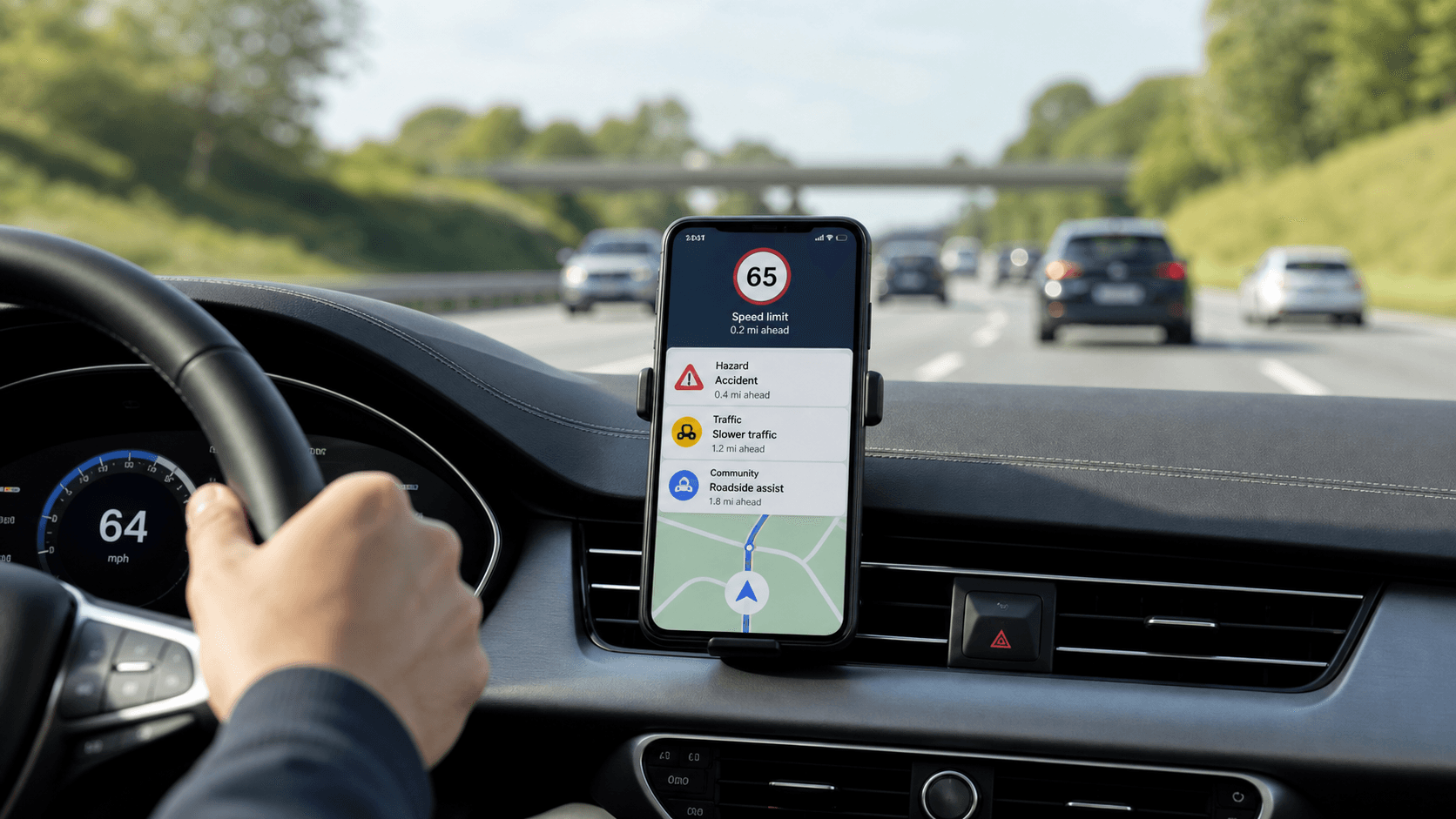
Modern driving places high demands on attention. Speed limits change frequently, roadworks appear unexpectedly, and traffic conditions can shift from minute to minute. For drivers who commute daily, travel long distances, or navigate complex urban networks, keeping track of every sign, advisory, and temporary restriction is challenging. Within the automotive category, connected driving assistants have emerged to help drivers stay informed about road conditions through timely alerts, speed-limit reminders, and community-sourced updates. These tools do not replace attentive driving, but they can offer structured, consistent situational awareness that complements a driver’s judgment. Services like moncoyote.com focus on delivering relevant road information where it matters most—on the route ahead, in real time. At the core of this approach is a simple idea: centralized information leads to clearer decisions. When drivers receive gentle, well-timed notifications about changing speed zones, congestion ahead, hazards on the shoulder, or inclement weather areas, they can anticipate rather than react. Anticipation supports smoother driving and can help reduce last-minute maneuvers. Many connected assistants blend official map and regulatory data with user reports to maintain a current picture of the road network. The community layer can be especially valuable in flagging temporary changes (for example, a new lane closure or a sudden obstruction) that maps alone might not yet reflect. That said, context and compliance matter. Local regulations differ across regions regarding the types of driver alerts permitted and how they may be presented. Responsible providers clarify how their solutions should be used, and responsible drivers stay aware of regional rules. The aim is not to circumvent safe behavior but to promote it—staying mindful of speed limits, paying attention to evolving conditions, and giving yourself extra time to respond calmly. It is also important to configure alerts so they assist rather than distract. Clear audio prompts, readable visuals, and well-chosen thresholds help reduce cognitive load. As connected tools grow more sophisticated, they integrate seamlessly into diverse driving setups—from compact city cars to long-haul vehicles—through smartphone apps and, in some cases, dedicated devices. The most practical solutions are those that keep information concise, avoid over-alerting, and respect the driver’s focus. With an emphasis on clarity, timeliness, and respect for local rules, moncoyote.com and similar platforms provide a framework to navigate today’s roads more confidently and consistently.
How the service works
Connected driving assistants generally combine a precise location engine with layered data sources to predict what a driver needs to know next. First, GPS positioning and map matching place your vehicle on a high-accuracy digital map that includes official speed limits, road categories, and key points of interest. Second, a continuously updated database provides dynamic content—think speed-limit changes, planned roadworks, recurring congestion points, and seasonal conditions. Third, a verified community-reporting system contributes near-real-time observations, such as a new temporary hazard just after a bend or a lane blocked by maintenance. Systems strive to validate these inputs, limiting noise by factoring in report density, recency, route relevance, and user reliability. Presentation is as important as data. Helpful assistants prioritize essential alerts and deliver them succinctly: a brief tone or vibration, a simple on-screen icon, and a clearly stated advisory. Visual hierarchies make the immediate speed limit unmistakable while minimizing clutter. When devices or apps integrate with vehicle audio or Bluetooth, they can duck music volume to ensure alerts remain audible without being abrupt. Many platforms provide alert distances that adapt to speed and road type so that highway prompts arrive earlier than those in slower urban contexts. If you want to understand specific capabilities—such as compatibility, map regions, or alert customization—you can see features and review how they fit your routine. Hardware and power options vary. Some drivers prefer a smartphone-only setup, which can be mounted securely for line-of-sight viewing. Others choose a dedicated device with a bright display, physical controls, or specialized audio. For power, you might rely on USB, 12V sockets, or hardwiring for a cleaner look. Choosing the right configuration often comes down to your vehicle, commute length, and tolerance for screen time. Data use and privacy are key considerations. Reputable providers disclose how location data is processed, anonymized, and retained. They typically offer opt-ins and granular control over what is shared with the community. Because real-time accuracy depends on frequent updates, connected assistants benefit from steady network access and regular software refreshes. Subscriptions may fund ongoing map maintenance, server capacity, and quality checks on community reports. When assessing value, consider both coverage—urban, suburban, regional, and cross-border—and the quality of alert curation. The most effective solutions filter judiciously, promote clarity, and let drivers tailor notifications to match their needs and local regulations.
Set up and next steps
A smooth setup starts with a clear goal: decide what you want from a connected assistant and where you will use it most. City commuters may prioritize accurate speed-limit updates and timely construction alerts. Intercity travelers might care more about early hazard warnings and reliable route continuity across regions. Once you know your priorities, choose your form factor. A securely mounted smartphone can be ideal for compact cabins and drivers who value app flexibility. A dedicated unit may suit those who prefer tactile buttons, a dedicated speaker, and daylight-bright screens. If you plan to run a phone-based setup, test placement that avoids blocking airbags and preserves a clean windshield view. Next, tailor alerts to your comfort. Set thresholds for audible prompts, adjust volume, and pick a map theme with strong contrast in sunlight. If your vehicle supports Bluetooth, pair once and confirm that audio cues are clear without overpowering navigation or calls. Some drivers enable voice guidance while muting nonessential tones; others do the reverse. Whichever you choose, the objective is consistent, calm signaling. Use do-not-disturb or driving modes to minimize incoming notifications that are unrelated to the assistant. Then take a short familiar route and watch how alerts arrive: Are you getting information early enough to act without haste? If not, adjust the alert distance or categories. Maintenance keeps performance steady. Update maps and software regularly so you benefit from the latest data and refinements. If your configuration includes a dedicated device, check cable integrity and mount stability to reduce vibrations that could affect readability. For smartphone users, consider a power plan that prevents battery drain on long drives. If you drive across borders, confirm coverage and any local alert rules before you go, then download offline data if available. Contributing responsibly to the community—reporting genuine hazards and dismissing resolved ones—helps everyone. Avoid submitting duplicate or speculative reports; accuracy matters more than volume. Finally, compare offerings at a measured pace. Account for coverage, alert quality, privacy controls, ease of setup, and support. For specifics on availability, device options, and subscriptions related to moncoyote.com, you can continue via the official site. Always use any assistant in a manner that complies with local laws, and remember that no alert replaces attentive, courteous driving. The goal is simple: keep information clear, focus steady, and every trip a bit more predictable.
Key takeaways and recap
Connected driving assistants serve a practical role in the automotive space by organizing timely, route-relevant information into concise alerts. Rather than trying to replace driver attention, they complement it with clear speed-limit reminders, early hazard awareness, and a steady framework for anticipating changes. Services associated with moncoyote.com bring together verified data sources and community input to keep information current while giving you control over alerts, privacy choices, and display preferences. Getting value from these tools comes down to thoughtful setup: choose a device or app configuration that suits your cabin, mount it safely, fine-tune alert timing and volume, and keep software updated. If you drive internationally or in diverse environments, confirm coverage and understand local rules governing the use of driver alerts. Responsible community contributions and careful filtering improve the experience for everyone. Used with care, connected assistants can reduce surprises and support calm decision-making, especially on unfamiliar roads or during changing conditions. When you are ready to evaluate options, review features, coverage, and support resources to ensure they match your driving patterns and comfort level. Aim for clear information delivered at the right moment—so you can stay focused on the journey ahead.