Why LifeWear matters
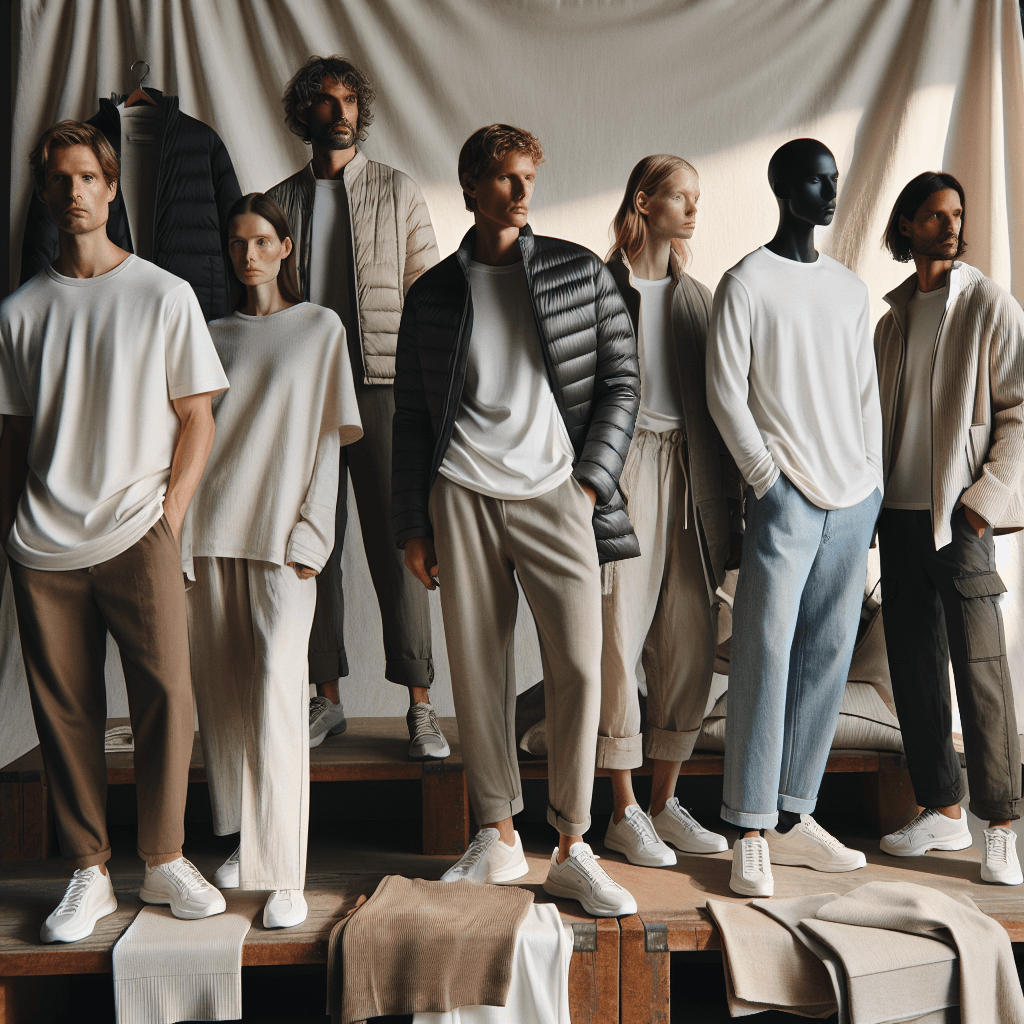
In the apparel and fashion category, few topics matter more than building a daily wardrobe that feels consistent, comfortable, and versatile. That is the idea behind UNIQLO’s LifeWear: thoughtfully designed essentials that prioritize fabric, fit, and function without unnecessary complication. For many people, the challenge is not finding clothes—it is selecting pieces that work across settings, perform reliably in different climates, and hold up to frequent wear. A strong foundation of tees, shirts, chinos, jeans, knitwear, and outerwear can simplify your choices, stretch your budget farther, and reduce the guesswork that often leads to impulse purchases. LifeWear proposes a modular system where each item plays a role, from breathable inner layers to season-ready shells. You will see this philosophy in recurring product families: AIRism for cooling comfort in warm or indoor conditions; HEATTECH for added warmth in colder months; Ultra Light Down for packable insulation; DRY-EX for quick-drying performance; and Supima cotton for elevated softness in everyday tops. These lines aim to support day-to-day comfort rather than extreme performance use, making them suitable for commutes, offices, classrooms, and casual weekends. The advantage to shoppers is predictability: once you settle on a fit and fabric you like, it becomes easier to replicate that success across colors or seasonal updates. That is particularly helpful when buying online, where reliable size and cut reduce returns. Browsing the product range on uniqlo.com gives a quick sense of how styles interlock—for example, pairing a smooth AIRism base with a Supima cotton tee and a light overshirt, then adjusting for weather by adding or removing a down vest or parka. This approach helps solve common wardrobe pain points: the morning decision fatigue, mishmash fabrics that do not layer well, or pieces that only work in narrow scenarios. Instead, LifeWear builds from simple silhouettes that can be dressed up or down with subtle shifts—swapping sneakers for loafers, changing a crewneck for a button-down, or topping with a refined coat to transition from casual settings to more polished environments. When your closet is arranged around mix-and-match layers, you rely less on trend cycles and more on a steady framework that quietly supports your routine.
Materials, fits, and care
Getting the most from LifeWear starts with understanding materials and fit. Consider your climate, indoor temperatures, and commute. If you run warm, AIRism’s smooth, breathable knits can improve comfort under shirts, sweaters, or suiting. For shoulder seasons or air-conditioned spaces, light merino or cotton cardigans add warmth without bulk. In colder months, HEATTECH inner layers can provide gentle, extra insulation while keeping outfits streamlined. For outerwear, Ultra Light Down compresses neatly for travel yet offers reliable warmth for transitional weather. Fabric touchpoints matter: Supima cotton tees feel smoother and retain color well, while blended knits can reduce pilling and improve shape retention. Denim weight affects drape and durability, so consider midweight jeans for all-season use and lighter options for warmer months. Fit is equally important. UNIQLO commonly offers classic, regular, relaxed, and occasional oversized or wide silhouettes. A regular fit balances structure and comfort for work and casual wear; relaxed or wide can produce modern, easygoing lines; classic tends to be timeless. When choosing tops, check shoulder seam placement and sleeve length; for bottoms, look at rise and leg shape (tapered, straight, wide). If shopping between regions, note that size conventions may vary slightly. Reviewing the online size guide and garment measurements is helpful, and trying one or two core items to confirm your size can make future purchases straightforward. For care, always follow garment labels, but a few universal habits help: wash knits and tees inside out to minimize abrasion, use mesh bags for delicate layers, and dry flat when recommended to maintain shape. Avoid heavy heat when drying down or technical fabrics. With consistent care, everyday pieces tend to hold color and feel longer, which supports budget-friendly wardrobes over time. When you are ready to compare seasonal colors or capsule additions, you can conveniently explore offers that align with current temperatures or your weekly routine—perhaps a light overshirt for spring, or a refined knit to round out a work-ready rotation. Building a closet around these material and fit insights brings cohesion, so each new purchase complements what you already own rather than competing with it.
How to build your kit
A practical approach to LifeWear is to assemble a small kit that covers your most frequent settings, then expand thoughtfully. Start with a breathable base for warmer interiors, a daily top with a bit of structure, a mid-layer for temperature shifts, a versatile bottom, and an adaptable outer layer. For example, AIRism as a discreet base adds comfort beneath a Supima cotton tee or oxford shirt, which can then layer under a light cardigan or compact down vest. Pair with tapered chinos for a balanced silhouette and add a rain-friendly shell or a wool-blend coat depending on forecast. Once the core is reliable, extend into secondary needs: a crease-resistant shirt for travel days, DRY-EX for active commutes, or wide-leg trousers for contemporary styling. Treat color strategically. Neutrals—navy, gray, black, white, beige, and olive—intermix across seasons and help spotlight one accent color at a time. In cooler months, select richer hues like burgundy or forest; in spring and summer, lighter shades and fresh pastels can brighten looks without dominating your rotation. Texture also matters: pairing a smooth tee with a subtly slubbed overshirt or ribbed knit adds depth within a minimal palette. Fit calibration will refine your kit. If you prefer ease through the seat and thigh, try regular or relaxed chinos and tailor the hem for clean lines; if you like sharper looks, a straight or tapered cut keeps profiles tidy. Many shoppers find it helpful to order two adjacent sizes to compare drape at home, returning the less suitable one. If you are unsure about fabric weight or hand feel, browse the product detail pages on the official site for fiber composition and care notes, then test a single piece before committing to multiple colors. As you iterate, pay attention to what you reach for most. Duplicate those successes in a second color or slightly different fabric weight for seasonal range. Over time, this intentional method yields a compact wardrobe that still supports varied scenarios—office casual, weekend errands, social dinners, or travel—without ballooning into clutter.
Key takeaways and next steps
UNIQLO’s LifeWear centers on uncomplicated, adaptable essentials that fit modern routines. The approach is straightforward: choose reliable fabrics, align fit with your comfort and setting, and build outfits in lightweight layers so you can adjust to temperature shifts. AIRism, HEATTECH, Ultra Light Down, and Supima cotton serve different roles without overcomplicating maintenance or styling. When you prioritize a few core silhouettes in cohesive colors, each new purchase extends your existing rotation rather than starting from scratch. Sizing can vary by region and silhouette, so rely on size charts and garment measurements, and consider trying adjacent sizes to confirm your preferred drape. Basic care habits—washing inside out, using mesh bags, drying flat for knits, and avoiding excessive heat—help retain shape and color. If you focus first on a compact, climate-appropriate kit, then add select items based on real gaps in your week, you will gradually create a wardrobe that minimizes decision fatigue while staying ready for work, weekends, and travel. With that foundation in place, you can refresh seasonally with new colors or textures, confident they will integrate neatly into your existing lineup.