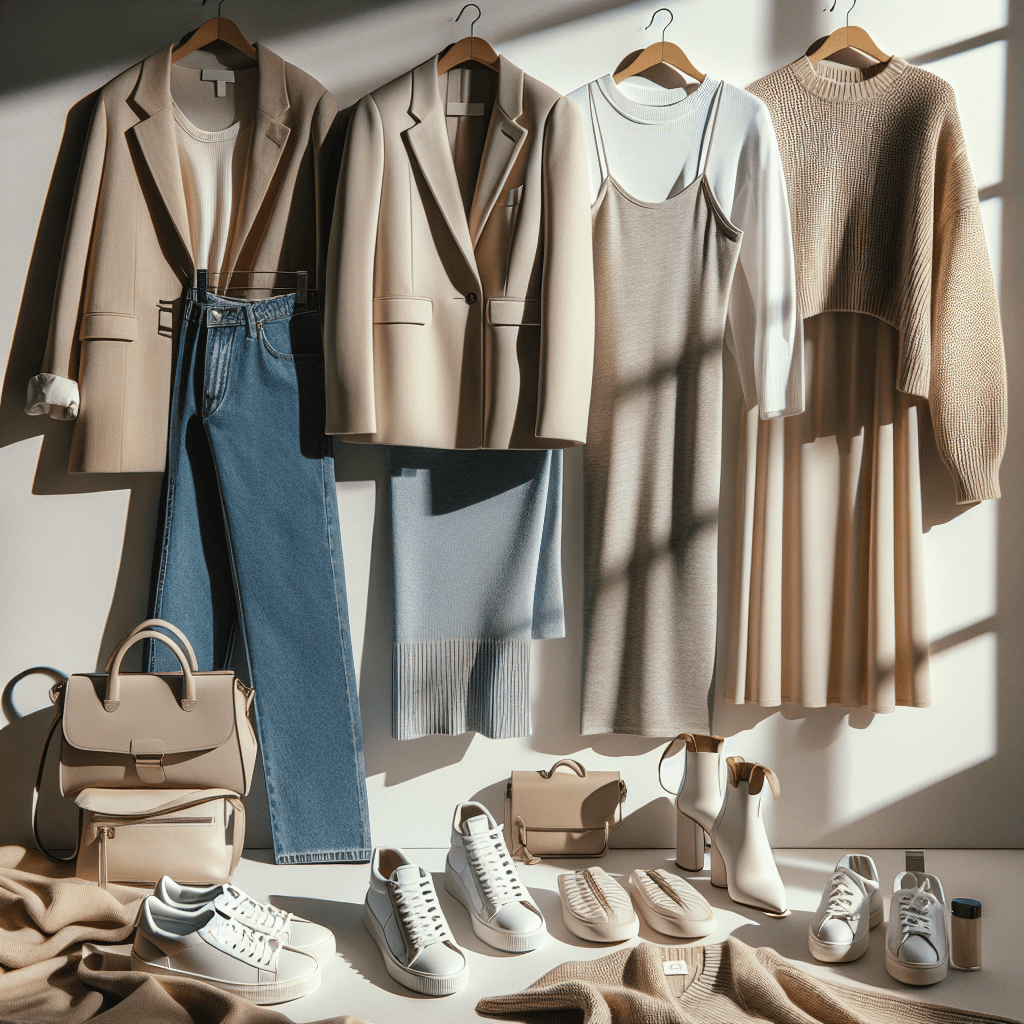
Why a smart wardrobe matters
Fast-moving trends can make shopping online feel like a sprint rather than a steady walk, especially in the apparel and fashion category where new arrivals appear weekly and seasonal edits shift quickly. Stradivarius.com sits in that space as a high-street destination for contemporary womenswear, footwear, and accessories that keep pace with current silhouettes and colors. The challenge for many shoppers is balancing the excitement of newness with the practicality of building a wardrobe that actually works—day to day, across seasons, and within a reasonable budget. That is where a smart, intentional approach becomes essential. Browsing stradivarius.com can feel both inspiring and overwhelming: there are capsule-friendly basics, standout pieces designed to define an outfit, and a variety of cuts that can flatter different body shapes when chosen with care. This guide focuses on how to shop the brand strategically so each purchase earns its place. We will look at common fit notes for key categories like denim, tailoring, and dresses; what to scan on product pages (composition, care, and fit descriptions); and how to plan outfits that bridge work, weekend, and going out—without duplicating pieces that serve similar roles. Because online sizing terminology and regional conventions can differ, we will also discuss the value of taking measurements and comparing them to each item’s size chart instead of relying solely on a nominal size. Materials deserve attention, too. Cotton, viscose, and blends each drape and wear differently; synthetics can add durability or stretch; and knit density often influences how polished a piece looks after several washes. When you understand the trade-offs, you can prioritize fabrics that match your climate, lifestyle, and care preferences. Finally, it helps to map out a minimal color palette that lets pieces mix easily—think core neutrals complemented by one or two accent tones that echo through prints and accessories. That way, a blazer coordinates with jeans and dresses, and a single pair of shoes can serve multiple looks. The result is not just a curated closet, but a clear plan that makes trend-led shopping feel confident, purposeful, and refreshingly straightforward.
Key pieces and how to shop
A good way to navigate Stradivarius is by anchoring outfits around categories that offer the most mileage. Denim is a reliable starting point: high-waist straight and slim-straight cuts are versatile for tucking tees, pairing with cropped knits, or balancing oversized blazers. If you prefer a roomier silhouette, wide-leg or barrel cuts can modernize simple tops; just balance volume with a fitted or structured layer on top. Tailoring—blazers and straight or tapered trousers—instantly elevates basics. Look for details like lightly padded shoulders for definition, inner seams that lay flat, and a midweight fabric that holds shape without feeling stiff. Dresses pull their weight, too, especially midis that transition from sneakers to heeled boots with a swap of outerwear. Knitwear spans fine-gauge layers ideal for offices or mild weather and textured options that add depth to monochrome looks. Focus on knit density and hand-feel; tighter knits usually skim more neatly under jackets, while looser knits read casual and cozy. Outerwear can serve as the statement piece—think classic trench shapes, utility jackets, or cropped bombers. Footwear rounds things out with white or neutral sneakers for everyday wear, ankle boots for polish, and strappy heels for night. The accessories section often carries belts, mini bags, and jewelry that can steer an outfit to a different mood with minimal effort; scanning seasonal drops is a low-commitment way to refresh staples. If you want to quickly check promotions or seasonal edits, it can help to skim dedicated landing pages and then explore offers before finalizing a cart. On product pages, three elements matter most: fit notes, composition, and care. Fit notes hint at whether a style runs relaxed, fitted, or cropped; composition reveals how a garment might drape and breathe; and care instructions determine maintenance. If a piece includes elastane, expect stretch and recovery; viscose or modal often add softness and movement; polyester blends can improve durability and crease resistance. For longevity, wash knits in a mesh bag on a gentle cycle, reshape while damp, and air dry flat to reduce stretching. With denim, cold washes preserve color; line drying reduces heat wear and keeps hems crisp. When evaluating value, consider cost per wear by linking each prospective item to at least three outfits you already own—this keeps novelty from overshadowing versatility and encourages smarter pairing across your wardrobe.
Practical steps to get started
Begin with a quick audit: separate what you wear often, what needs tailoring, and what no longer suits your style. Build a simple palette—perhaps black, beige, and denim blue with one accent like sage or burgundy—so pieces combine smoothly. Next, decide on your go-to silhouettes. If you like structure on top, try a lightly padded blazer over straight-leg jeans or tailored trousers; if you prefer ease, pair wide-leg pants with a slim knit or tucked tee. When you are ready to size, take three measurements—bust, waist, and hip—and compare them to each item’s size chart. Between sizes, consider fabric behavior: knits and stretch denim often fit better closer to your measurements, while woven pieces may need a touch of ease for comfort. For length, check the model height and garment measurements when available; this helps predict whether a midi cuts at a flattering point on your calf or whether a cropped jacket will meet high-waist bottoms. Use filters to narrow by size, rise, inseam, and color, then shortlist a few options for home try-on. Keep tags and packaging until you commit, and review return guidance on the brand’s help pages so you understand timelines and condition requirements. If you are uncertain about fit across regions or collections, consult the size guide and help center on the official site for the latest information. Build outfits in clusters: one blazer that works with jeans and a midi dress; one versatile bottom that pairs with at least three tops; footwear that bridges errands, office, and evenings. Add a belt or structured bag to sharpen casual pieces, and rotate jewelry to shift tone without new garments. Use wishlists to track items over a week; if a piece still feels essential after that pause, it likely has staying power. For care, establish a gentle routine: cold washes, low-spin cycles, and air drying preserve shape and color. Steam instead of iron when possible, and store knits folded to avoid shoulder bumps. Finally, shop mindfully. Trend-led items can refresh your look, but anchor purchases in what complements your existing closet. A measured approach protects your budget, streamlines daily dressing, and makes each new piece from Stradivarius feel considered rather than impulsive.
Summary and next steps
Stradivarius.com offers a wide mix of trend-forward pieces and everyday staples, which is great news if you approach the site with a plan. Start by clarifying your color palette and preferred silhouettes, then study product pages carefully—fit notes, fabric composition, and care instructions reveal how a garment will wear in real life. Use filters and size charts to refine options, and keep returns in mind while you evaluate items at home. Build outfits in clusters so each new piece works in multiple contexts, from work to weekend. With denim, tailoring, dresses, knitwear, and accessories as your core categories, you can assemble a wardrobe that balances freshness and longevity. Adopting a few habits—measuring, reading details, and caring for garments gently—extends the life of what you buy and makes styling easier day to day. Whether you are refreshing essentials or adding a standout layer, the most effective approach is incremental and intentional. With these guidelines, you can navigate new arrivals confidently, prioritize value, and create a versatile closet that fits your routine and your taste.