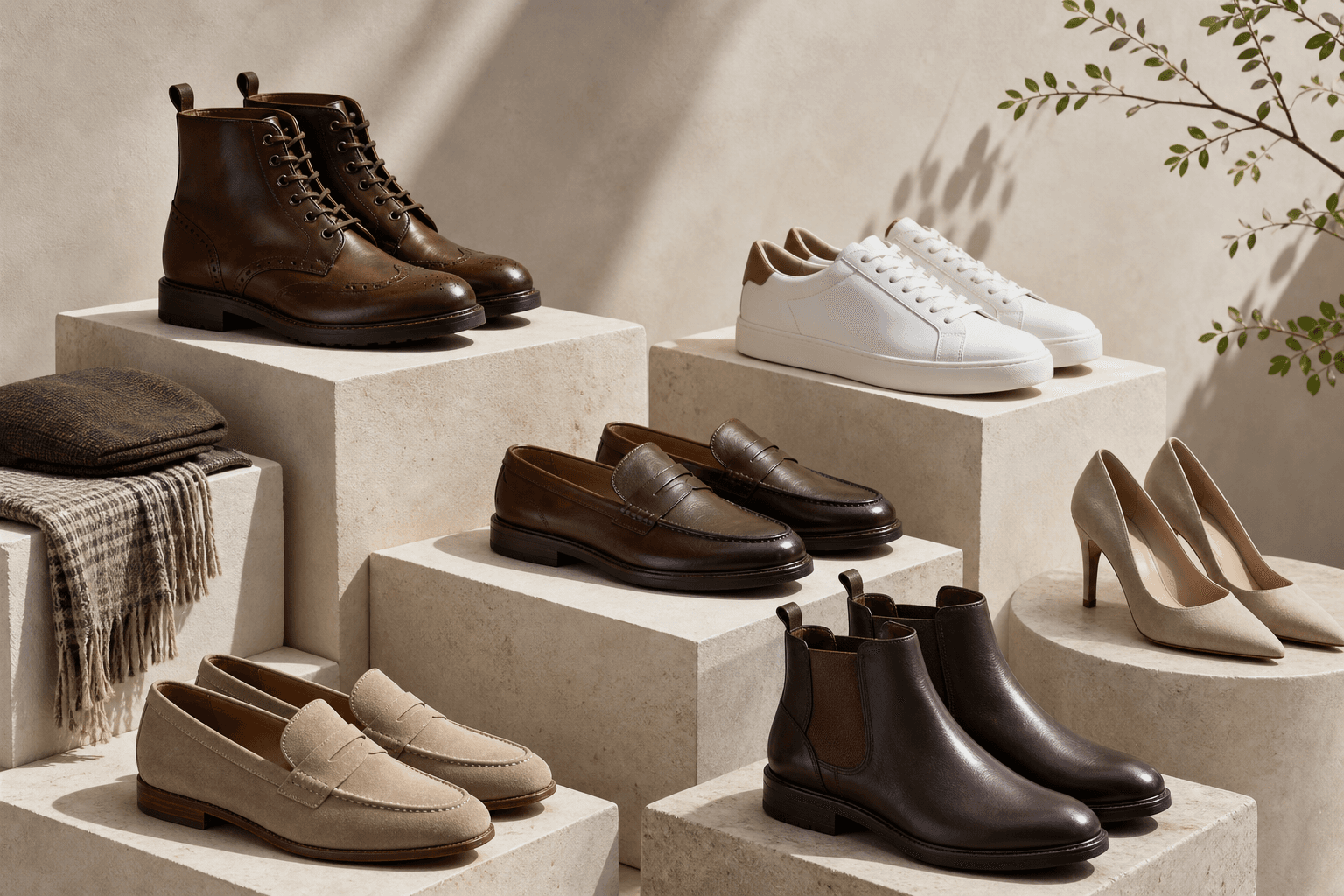
Why footwear choices matter
The right pair of shoes can elevate your look, support your everyday routine, and last for seasons when selected with care. In the apparel and fashion category, footwear sits at the crossroads of style, comfort, and function. However, shopping online can feel complex: sizes vary by brand, materials affect fit and durability, and the construction behind a shoe often remains hidden in product photos. Navigating this landscape is easier when you understand what to look for and how to evaluate details before you add to cart. That is where a well-organized retailer with a broad assortment and clear information can make a difference, and many shoppers turn to platforms like legendfootwear.co.uk for an efficient experience. Footwear has to meet multiple needs. A trainer that feels perfect for a quick errand might fall short during a full day on your feet. A boot that looks sharp at the office might require a different outsole for wet commutes. Even aesthetics involves more than color and silhouette; the type of leather, the grain, and the finish can subtly change how polished or casual a shoe appears. Understanding these distinctions helps you map shoes to specific tasks: walking, commuting, travel, events, weekend wear, or sport-specific use. The goal is not to own more pairs, but to select pairs that truly work for your lifestyle. Sizing is often the first challenge. Conversions between UK, EU, and US scales are approximations, and many brands follow unique lasts that shape the toe box and heel differently. Width can be as impactful as length, and materials like suede or mesh may adapt to your foot differently than firm full-grain leather. Beyond size, construction techniques influence longevity and comfort. A shoe with a more robust welt can withstand resoling and heavy rotation, while a lightweight cemented trainer might be ideal for everyday wear but less suited to rugged use. Finally, care and maintenance matter as much as initial selection. Choosing materials that suit your climate and routine—such as water-resistant finishes for rainy regions—reduces upkeep. Planning a modest maintenance schedule (cleaning, conditioning, drying between wears) can extend the working life of your footwear. With a clear sense of your needs, and a platform that lays out detailed specs and accurate imagery, shopping online becomes a straightforward way to secure reliable shoes that feel right and look refined.
Key features and considerations
Start with fit, as it is the foundation of comfort. Measure both feet in the evening when they are slightly larger, trace them on paper, and compare your results to the size chart provided by the brand. If your feet differ, choose the size that accommodates the larger foot and consider lacing techniques or insoles to fine-tune the fit. When moving across UK, EU, and US scales, remember that conversions differ among brands, and half sizes or width options may be available for select styles. A snug but not tight feel at the heel and midfoot, with room to wiggle your toes, is a reliable goal for daily shoes. Materials shape the shoe’s character over time. Full-grain leather typically develops a refined patina and resists wear well with basic care; top-grain and corrected-grain offer a cleaner, uniform look. Suede is breathable and soft but asks for routine brushing and a protective spray. Nubuck pairs the durability of leather with a soft, velvety surface. Textile and mesh uppers keep weight down and enhance airflow, while modern synthetics can be highly durable with minimal maintenance. Lining matters, too: leather linings mold to the foot, while textile linings often dry quickly and handle active use efficiently. Construction methods influence lifespan and the ability to service shoes. Goodyear-welted footwear often allows resoling and can be a strong investment for formal or robust casual styles. Blake-stitched shoes are lighter and more flexible while still serviceable by skilled cobblers. Cemented constructions, common in trainers, are typically lighter, more affordable, and ideal for day-to-day commuting or travel. Outsoles determine grip and wear: rubber excels in traction and wet conditions, leather soles feel elegant and glide on clean surfaces, and hybrid options balance dress appeal and practicality. Comfort features have evolved. Cushioned midsoles, removable insoles, and supportive footbeds help manage long days on your feet, while shaped heel counters improve stability. For variable weather, waterproof membranes and treated leathers add peace of mind. When browsing large assortments, use filters to narrow by material, construction, and features like arch support or water resistance; retailers that organize details clearly make this process straightforward, and you can quickly refine options and explore offers that align with your priorities. Finally, plan for care from day one. A basic kit—gentle cleaner, conditioner or cream polish for leather, a suede brush and protector, and soft cloths—helps maintain appearance and prolongs use. Rotate pairs across the week to let materials dry fully, and store shoes with trees to maintain shape and mitigate creasing. This proactive approach pays off over months and years, preserving both comfort and presentation.
Smart steps before you buy
Define the role each pair will play in your wardrobe. If you commute on foot in a rainy climate, prioritize traction and water protection. For office wear, consider leather loafers or derbies with resolable construction to extend their lifespan. Weekend styles might center on versatile sneakers that pair with denim and chinos, while travel shoes benefit from lightweight builds and breathable linings. Creating a small, purpose-driven rotation—such as a white sneaker, a sturdy leather boot, a smart loafer, a performance runner, and a weather-ready option—covers most scenarios without excess overlap. Next, assess brand-specific sizing notes, which often mention whether a last runs narrow or generous. Read product descriptions for details on lining, insole design, and outsole compounds, and cross-reference user reviews that discuss comfort during the first few weeks. If you are between sizes, think about material stretch: some leathers relax slightly with wear, while structured synthetics change less. When possible, order two adjacent sizes and return the pair that does not feel right; a straightforward returns process helps remove guesswork and encourages you to prioritize fit. Perform a simple at-home trial on clean surfaces. Lace or buckle the shoe as you would for regular use and walk for ten to fifteen minutes, paying attention to heel slippage, instep pressure, and toe room on inclines and stairs. Your heel should not lift excessively, and there should be zero pinching at the forefoot. Consider the socks you actually plan to wear; thickness can change the experience more than you might expect. Plan a short break-in period for structured leather footwear and avoid intense first outings that could cause discomfort. Budgeting is more effective when guided by purpose and construction. Shoes intended for frequent, long-term wear can justify higher upfront costs if they are serviceable and durable. For fast-paced trends, you might emphasize value and lightness over resolability. Timing your purchases around seasonal shifts and monitoring restocks or size updates can expand your options. Retailers that present clear photography, material callouts, and consistent sizing guidance reduce uncertainty, and when you need more detail it is helpful to check the retailer’s resources to learn more before you finalize your selection. With careful measurement, thoughtful trials, and a rotation strategy, you can build a footwear collection that works hard, feels comfortable, and looks considered. Lastly, think about long-term care from the outset. Set a reminder to brush suede weekly during wet months, add a protective spray before the season starts, and condition leather quarterly or as needed based on wear. Dry shoes away from direct heat, and use shoe trees overnight to help maintain shape. These habits can extend the life of your footwear and keep them presentable, making each purchase a more sustainable part of your wardrobe.
Recap and next steps
Shopping for shoes online is easier and more reliable when you focus on the fundamentals: accurate sizing, materials that suit your climate and routine, and construction that aligns with your expectations for comfort and longevity. By measuring carefully, paying attention to brand-specific fit notes, and testing new pairs at home, you can minimize returns and choose styles that serve distinct roles in your daily life. Materials and build quality matter; understanding the differences between full-grain leather, suede, mesh, and various outsole types helps you select the right pair for each occasion. A simple care plan—cleaning, conditioning, protective sprays, rotation, and proper storage—extends the useful life of your footwear and maintains its appearance. A well-structured retailer provides the clarity and choice needed to make confident decisions. With organized product information, accurate imagery, and options across categories, legendfootwear.co.uk supports a streamlined shopping process from discovery to delivery. Whether you are after a versatile sneaker, a resolable dress shoe, or a weather-ready boot, focusing on fit, materials, and care will guide you to shoes that feel as good as they look. Take stock of your current rotation, identify gaps, and approach your next purchase with a clear plan so each addition is purposeful, comfortable, and durable.