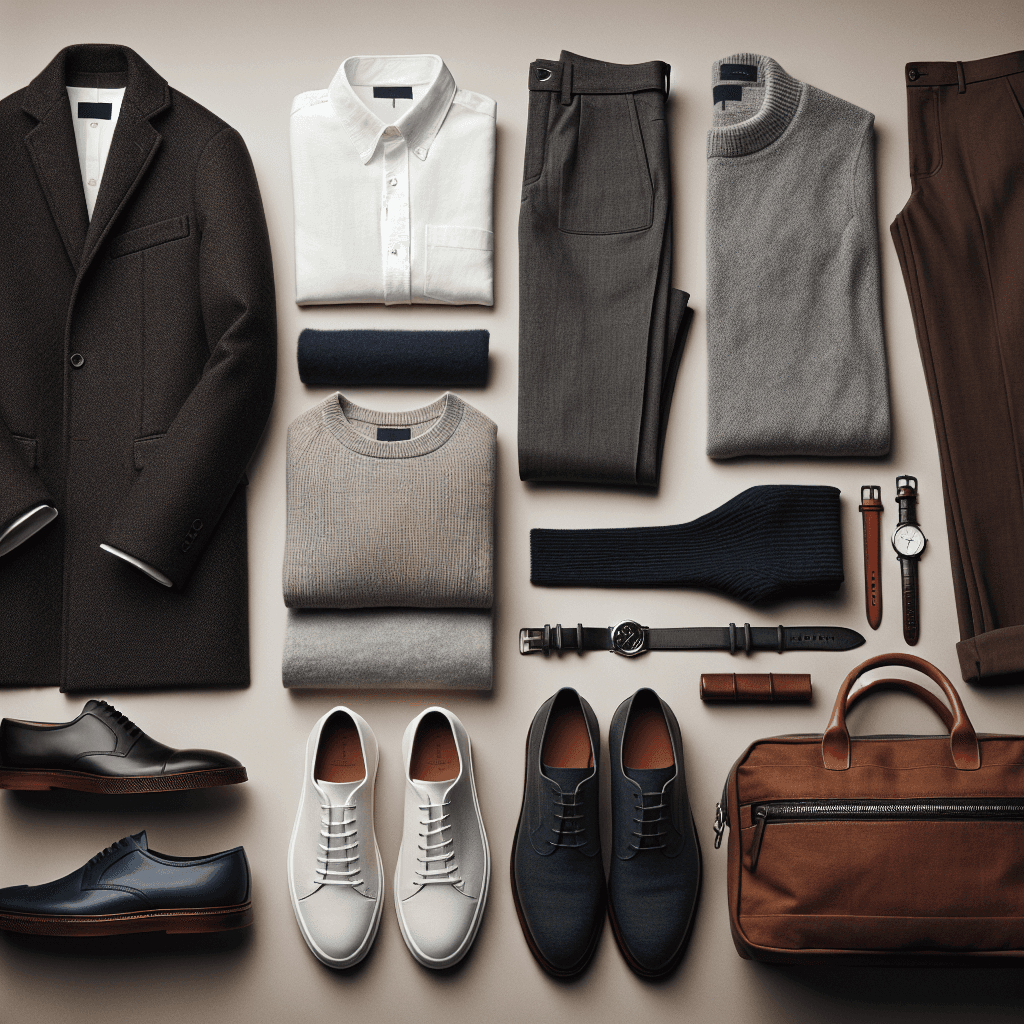
Why a capsule wardrobe matters
Building a capsule wardrobe is one of the most reliable ways to dress well without stress. Instead of chasing trends or filling a closet with rarely worn pieces, a capsule prioritizes a focused lineup of versatile garments that mix, match, and perform year-round. In the apparel and fashion category, this approach solves common challenges: decision fatigue when getting dressed, inconsistent quality across brands, and the cost of misjudged impulse buys. A refined capsule keeps your look coherent and your budget directed toward pieces that earn their keep through repeated wear. It also helps you adapt seamlessly to different settings—office, smart-casual lunches, weekend trips, and occasional formal events—without overcomplicating your wardrobe. As a global destination for contemporary and classic menswear, mrporter.com excels in curation, bringing together luxury labels and thoughtful in-house design, reliable product photography, and editorial styling context. Visiting a single, well-organized retailer makes the process easier: you can compare fabrics, cuts, and brand aesthetics on one platform and build a clear plan rather than buying in isolation. That consolidated view is invaluable when aiming for cohesion and longevity. On mrporter.com, you’ll find established tailoring houses beside innovative casualwear specialists, so it’s simpler to track which silhouettes, materials, and construction details will serve you across seasons. A capsule starts with a restrained color palette—navy, grey, white, black, and brown—backed by enduring fabrics like wool, cotton, leather, and denim. With those anchors in place, strategic accents—perhaps a muted green overshirt or a textured knit—add dimension without breaking the system. Thoughtful shopping also means paying attention to fit and proportion. Each brand cuts differently, and small adjustments to trouser rise, jacket length, or knit gauge can dramatically improve comfort and polish. A capsule wardrobe is a living system, not a rigid checklist; it should evolve with your routine, climate, and taste. The aim is reliability and refinement: fewer, better pieces that look appropriate together from Monday to Sunday.
Key pieces, fabrics, and fit choices
Start with tailored separates that can move between business and relaxed settings. A navy blazer in a year-round wool—like hopsack—anchors your smart rotation and pairs cleanly with grey trousers, crisp denim, and fine-gauge knits. A well-cut grey wool trouser, preferably in a breathable twill, grants mileage across formal and casual looks. Add a white Oxford shirt for structure and a light blue poplin or pinpoint for subtle variety. For knitwear, rely on fine merino for layering under tailoring and a mid- to heavy-gauge cashmere or lambswool crewneck for warmth and texture. Two pairs of smart shoes—brown brogues or derbies and black loafers or oxfords—cover most dress codes, while minimalist white leather sneakers offer a clean off-duty option that also works under an unstructured blazer. Denim in a dark indigo, ideally a straight or slim-straight cut, introduces ruggedness without sacrificing polish. Outerwear should reflect climate and lifestyle: a camel or dark navy topcoat handles formalwear and elevates casual looks; a water-resistant field jacket or mac is useful in rainy months; a lightweight bomber in a technical fabric bridges weekends and travel. Accessories refine and extend your capsule: a slim black belt and a mid-brown belt, plain socks in charcoal and navy, and a classic watch on steel or leather. A simple leather weekender bag keeps short trips organized and cohesive with the rest of your kit. Construction and fabric quality determine longevity. Look for canvassed or half-canvassed jackets for shape retention; in footwear, consider Goodyear-welted or Blake-stitched soles for reparability. In shirting and tailoring, staple fabrics like two-ply cottons and tropical wool blends deliver comfort and durability. Sizing and fit are decisive: note chest, shoulder, sleeve, and back lengths for jackets; waist, rise, seat, and hem for trousers; and shoulder width and sleeve length for shirts. Online tools simplify this process, and you can see features like detailed size guides, measurement charts, and editorial fit notes that reduce guesswork. Stick to a restrained palette to maximize interchangeability, then introduce one or two seasonal textures—like corduroy trousers in autumn or linen shirts in summer—without disrupting your baseline. Above all, prioritize comfort and movement. A slightly softer shoulder on a blazer, a trouser with a comfortable rise, and knitwear that layers smoothly under outerwear will make your capsule feel as good as it looks.
Smart shopping steps and care routines
Transforming the plan into a reliable wardrobe comes down to methodical shopping and maintenance. Begin by auditing what you already own and wear most. Identify the true workhorses and the pieces you rarely reach for; the latter reveal gaps or miscalculations in color, fabric, or fit. Define a narrow color range—navy, grey, white, black, and brown—and add carefully chosen accents that harmonize with those neutrals. Create a shortlist of targets: one blazer, two trousers, two shirts, two knits, one coat, two smart shoes, one sneaker, and a handful of accessories. Assign a realistic budget and sequence purchases by versatility and frequency of use to avoid duplications. Precise measurements pay dividends. Take chest, shoulder, and sleeve measurements for tailoring; waist, hip, rise, and inseam for trousers; and shoulder and sleeve for shirts. Compare these with brand-specific size charts and editorial notes on silhouette. Keep a record of your best-fitting pieces and how they translate across labels. Consider fabric weight and local climate so pieces layer comfortably: a hopsack blazer and tropical wool trousers breathe in warmth, while a mid-gauge cashmere crewneck accommodates cooler days. When shopping online, high-resolution photography and thorough product descriptions help you assess texture, drape, and finishing details. Use filters to narrow results by material, fit, and color, and save items to a wishlist to observe how they relate to the rest of your plan. If you need more reassurance, browse styling editorials for practical outfit combinations that stress versatility rather than novelty. If returns are available in your region, they offer a useful safety net when testing fit at home. For on-going value, maintenance matters. Brush suits and wool coats after wear, use sturdy hangers, and steam gently to refresh between cleans. Rotate footwear and insert cedar shoe trees to preserve shape and manage moisture. Wash denim inside out in cool water and air-dry to retain color and structure. De-pill knitwear with care, store folded to prevent stretching, and protect from moths. Minor tailoring—hemming trousers, refining sleeve length, or nipping waist suppression—can make a good piece exceptional. As you refine your capsule, revisit the plan seasonally to replace worn items or add a single texture or color that complements your base. When you’re ready to put these steps into action, browsing the official site helps you compare cuts, fabrics, and styling ideas in one place so every purchase has a clear role.
Bringing it all together with intent
A modern men’s capsule wardrobe favors purpose over excess, using a compact palette, dependable fabrics, and thoughtful fit to support daily life without fuss. Refining this blueprint is easier when you can evaluate tailoring, knitwear, denim, footwear, and outerwear side by side, drawing on clear size guidance and editorial context to understand how each piece complements the next. Start with high-utility foundations—navy tailoring, grey trousers, crisp shirts, versatile knits, and a weather-appropriate coat—then add footwear and accessories that respond to your routine. Prioritize fabric quality and construction so your clothes look better for longer, and use a simple care system to protect your investment. With a plan, a budget, and a focus on interchangeability, you can assemble a wardrobe that works across office days, smart-casual evenings, weekend errands, and travel, all while reducing decision fatigue. Keep the process iterative: learn what you reach for most, tailor selectively, and introduce subtle texture or color only when it strengthens the whole. The result is a streamlined closet that feels personal yet polished, ready for almost any setting without sacrificing comfort or clarity.