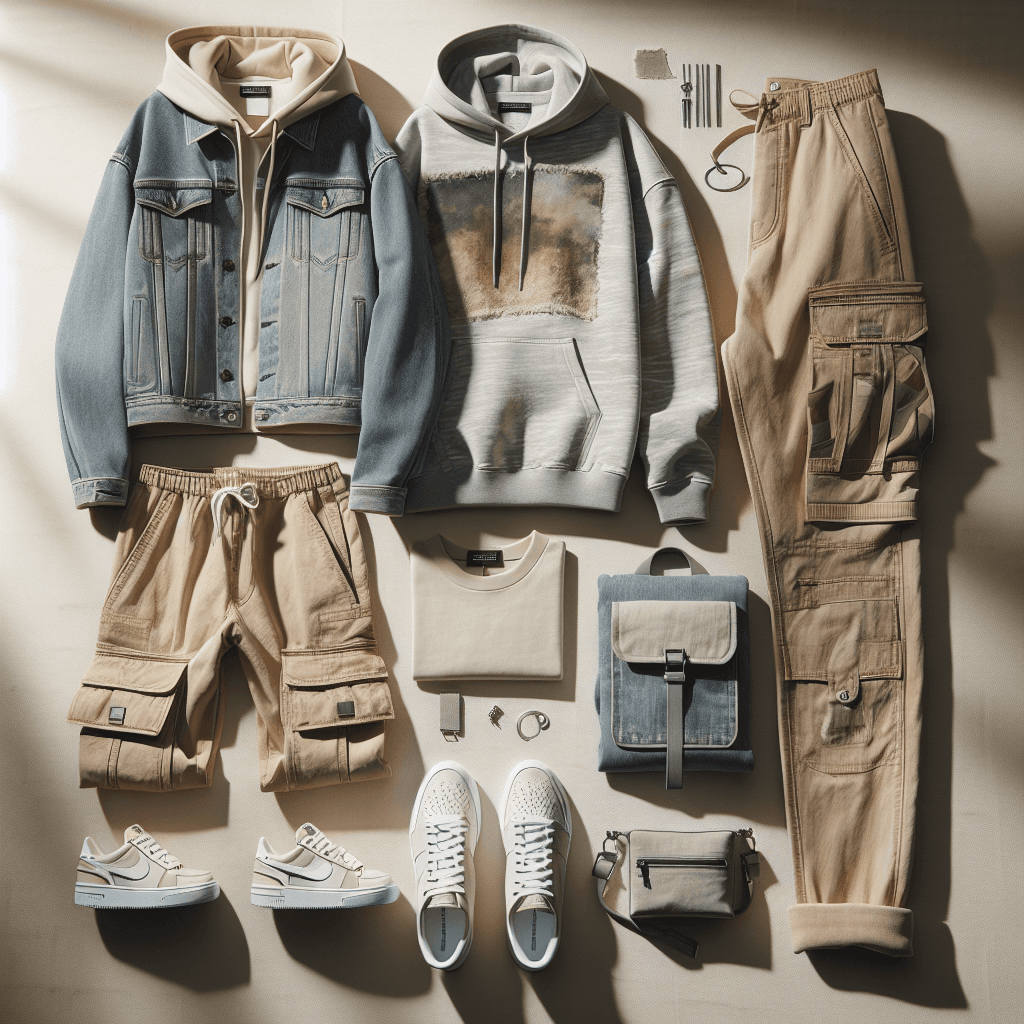
Why Pull&Bear stands out
In the apparel-fashion category, Pull&Bear has carved out a recognizable space for trend-led, everyday clothing that balances casual comfort with a youthful, European streetwear sensibility. If you gravitate toward relaxed silhouettes, staple denim, graphic essentials, and seasonal twists that keep outfits feeling current, Pull&Bear is designed to meet those needs without demanding a runway budget. The brand’s assortment typically spans womenswear and menswear, with frequent drops of fresh styles that pair easily with wardrobe basics. For many shoppers, the challenge is less about finding something to like and more about navigating fit, fabrics, and value—especially when shopping online. Understanding how Pull&Bear interprets key trends, how its sizing compares across different product families, and what to expect from materials can streamline decisions and reduce returns. Equally important is knowing which pieces work hard in a real-life wardrobe and which seasonal purchases are best to approach strategically. From tees and hoodies to denim jackets, cargo trousers, and transitional outerwear, Pull&Bear’s strength lies in approachable styling that travels well from campus to weekend plans, from casual offices to relaxed evenings. It helps to think in terms of building blocks: one or two reliable jeans in different washes, a neutral overshirt for layering, a breathable tee or ribbed top that dresses up with accessories, and a jacket that can bridge shoulder seasons. Meanwhile, seasonal capsules can add visual interest—think pattern, texture, or a standout color—without overwhelming your core rotation. Shopping directly at pullandbear.com typically brings the widest visibility into new releases, size runs, and online-only pieces. That visibility is useful when you want to compare multiple fits of the same item (for instance, straight vs. wide-leg denim) or dig into details like fabric composition and care guidance. The end goal is a cohesive set of options that reflect your style, hold up to regular wear, and feel right for your setting—whether that’s city errands, travel days, or low-key nights out—while keeping impulse purchases in check. By understanding how Pull&Bear positions each category and what cues to look for in product pages, you can shop more confidently and make your budget work harder season after season.
Fit, fabrics, and value
Because Pull&Bear leans into streetwear and relaxed dressing, expect an emphasis on comfort-first fits. Tops may read boxier, tees can run slightly oversized, and outerwear often allows space for layering. Women’s selections commonly include cropped lengths alongside standard cuts, while men’s lines feature relaxed and straight fits that work with low-profile sneakers or chunkier styles. When in doubt, look for the on-model measurements and sizing notes; these cues help you decide whether to take your regular size for a loose effect or size down for a closer profile. If you typically shop US, UK, or EU sizes, pay attention to the conversion chart on each product page and confirm key measurements like chest, waist, and hip in centimeters for precision. Fabrics are another smart filter. Cotton and cotton-rich blends dominate basics, delivering breathability for tees, sweatshirts, and casual shirts. Denim weights vary: lighter options feel broken-in from the start, while mid-weight pairs provide structure—useful for a cleaner line with boots or a tailored coat. Synthetic blends, including polyester and elastane, can enhance stretch recovery and durability, particularly in slim or tapered silhouettes. Where noted, recycled fibers may appear in select ranges as part of broader sustainability initiatives; you can typically find these details within each product’s composition notes. Care is part of value, too. Turning denim inside out before washing, air-drying tees and sweatshirts when possible, and using garment bags for delicate knits can extend the life of staples without extra cost. Think of value as cost-per-wear: a versatile overshirt that you reach for weekly may outperform a bold seasonal item worn just a handful of times. Speaking of seasons, Pull&Bear rotates fresh drops and promotional periods throughout the year. Timing purchases to these cycles—especially for transitional layers or core denim—can stretch your budget. Checking the site regularly to compare similar pieces in new washes, colors, or slight fit adjustments lets you refine your shortlist, then commit when the right combination of price, size, and fabric appears. To keep track of new arrivals and capsule edits without overcommitting, add favorites to a wishlist, then revisit them after a day or two. This helps filter impulse picks and prioritize outfits that solve real gaps in your rotation. If you want visibility into new drops and sizing while staying flexible on timing, it’s helpful to explore offers and keep notes on fits you’ve tried, fabrics you prefer, and price thresholds that feel right for your wardrobe.
How to shop smarter
Start with your lifestyle map. List the contexts you dress for each week—commute, classes, casual dinners, travel—and identify what you wear most. Then build a short list of Pull&Bear pieces that can rotate across settings. For example, a light-wash straight-leg jean pairs with a ribbed top and blazer for informal meetings, then a sweatshirt and sneakers on weekends. A neutral overshirt layers over tees now and a hoodie later, extending its usefulness across seasons. Use the product filters to narrow by fit (relaxed, straight, wide), length (regular, cropped), and rise (mid, high) so you’re only comparing like with like. Save two or three close contenders to your wishlist and revisit them a day later to see which still feels essential. Sizing confidence comes from a tape measure and a quick note on your best-fitting pieces at home. Compare your favorite jeans’ waist and inseam to site measurements; match chest or shoulder width on a jacket you love with the on-page size guide. If you fall between sizes in relaxed pieces, consider your styling goal: size down for a tidier look under coats, or stay true to size for a roomier, streetwear vibe. When reviewing fabrics, prioritize comfort and climate. Cotton-rich tees breathe in warm months; mid-weight denim anchors fall looks; a blended hoodie resists pilling and holds shape better after repeated washes. Check care instructions before you buy so your routine aligns with the garment’s needs. If you prefer lower maintenance, choose sturdier weaves and avoid intricate embellishments. Budget-wise, cluster purchases around gaps you’ve identified—say, a clean pair of black jeans plus a transitional jacket—rather than scattering single-item buys across categories. This creates mix-and-match versatility and keeps impulse buys in check. Track periodic promotions if you’re timing a bigger refresh; placing essentials and a few test pieces in your wishlist makes it easy to act when sizes restock or prices shift. Shipping and returns policies vary by region, so skim the relevant page before checking out and keep original tags and packaging until you confirm fit at home. Trying new silhouettes? Order two sizes in the same style, then keep the better-fitting option. For inspiration, browse styled looks on-site and note how proportions are balanced—wide-leg bottoms with a fitted top, or oversized outerwear over streamlined layers. When you’re ready to refine your shortlist or verify size availability in your region, head to the product pages to learn more, compare materials, and make a confident final call aligned to your budget and style goals.
Essential final takeaways
Pull&Bear serves a clear need in apparel-fashion: approachable, trend-aware basics and layers you can wear often. Shop with a short list in mind, prioritizing versatile silhouettes—straight or relaxed denim, neutral tops, and transitional outerwear—that pair easily with what you already own. Use on-page measurement charts, read fabric compositions, and check care guidance before you buy to set realistic expectations for fit, comfort, and maintenance. A wishlist can help you track colorways, sizes, and price changes, while a quick pause between adding and purchasing reduces impulse decisions. When experimenting with new fits, compare two adjacent sizes and evaluate proportions with pieces in your closet. Aim for cost-per-wear value: a well-cut overshirt or reliable jean can anchor multiple outfits across seasons. Finally, review your region’s shipping and returns information so the home try-on process is smooth. With a measured approach—focusing on fit, fabrics, and practical styling—you can build a Pull&Bear lineup that looks current, feels comfortable, and works hard day to day.