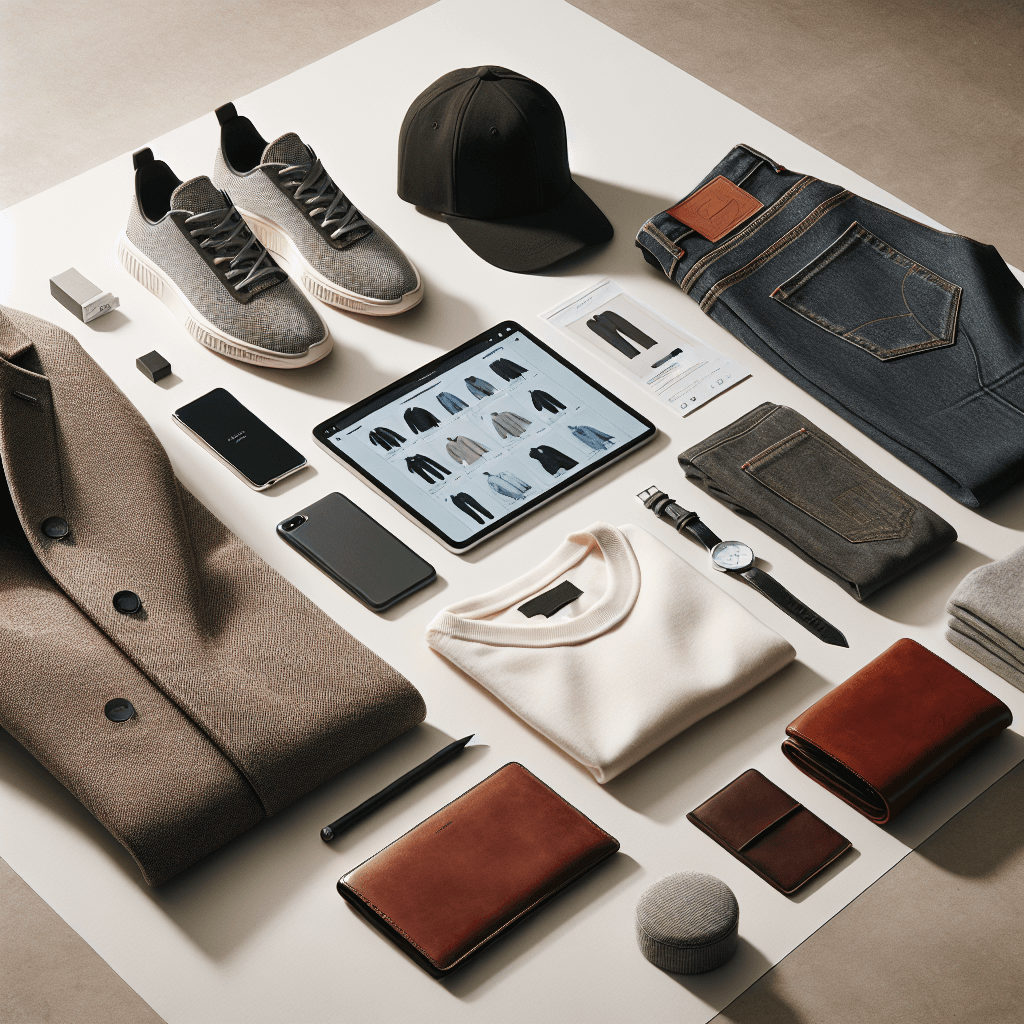
Why END. suits modern wardrobes
Upgrading a wardrobe today often means balancing street-led trends with long-wearing essentials, and that is where a destination like END., known for its curation of fashion, sneakers, and lifestyle goods, can be especially useful. Within the apparel-fashion space, shoppers are not just comparing logos or price tags; they are weighing fabric quality, fit, and the versatility of pieces that have to work across seasons and settings. The site’s mix of contemporary labels, heritage names, and performance-influenced designs makes it easier to find items that feel current without becoming obsolete after a single trend cycle. Browsing on endclothing.com places these options side by side, which helps you understand how a refined overshirt might complement a technical pant, or why a minimalist sneaker can anchor both casual and smart-casual outfits. The challenge many shoppers face is information overload. Pages of new arrivals can make discovery exciting, but it can also be easy to miss the subtle differences that separate a standout item from a near-duplicate. Product photography, editorial styling, and fit notes become critical for decoding those differences—especially when a small shift in a shoulder line or the height of a sneaker’s foxing strip changes how a look reads in real life. END. typically highlights these cues through multi-angle images, concise description text, and material callouts, enabling a more confident selection process. Another common concern is getting the most value from each purchase without compromising on aesthetics or comfort. Value, in this context, extends beyond the ticket price. It includes durability, care requirements, and how an item integrates with your rotation. A merino knit that breathes well, a midweight tee with a stable collar, or a water-resistant parka that layers neatly over tailoring can deliver lasting wear, reducing the need for frequent replacements. Because END. spans brands with varied fits and constructions—from relaxed silhouettes to sharp, structured tailoring—you can calibrate your selection to your routine. Those who dress for a hybrid office week, for example, can combine easy trousers, premium sweats, and low-profile sneakers for a streamlined, coherent wardrobe. Meanwhile, sneaker enthusiasts can keep an eye on limited drops and seasonal colorways that add a focal point without overwhelming the rest of an outfit. In short, the store’s breadth is an asset when you approach it with clarity about your needs, your typical fits, and how much maintenance you are prepared to handle.
Navigating the selection wisely
A productive session on END. starts with filters. Size, color, material, and price filters quickly narrow vast categories into a workable shortlist. This is especially helpful with sneakers, outerwear, and denim—areas where brand-to-brand variation is pronounced. Use product pages to compare composition details (such as cotton weight, wool blend percentages, or membrane names for weather protection), and pay attention to care instructions; fabric behavior after washing can influence a garment’s fit and drape over time. When a product includes measurements or a height reference for the model, cross-check that against your own numbers to reduce guesswork. Editorial content and curated edits can save time if you are exploring new territory. Features that group “transitional layers,” “elevated basics,” or “weekend-ready footwear” show how pieces combine in practical, repeatable ways. This is useful when you want to test proportions—like pairing wider trousers with cropped outerwear—without building a look from scratch. Seasonal promotions and highlight pages can also surface brands you may have overlooked; if you are browsing during a sale window, use the sort tools to focus on core colors and perennial fabrics before you get distracted by one-off prints. Should you want to check current campaign pages, it can be efficient to skim and then refine your view via filters rather than scrolling endlessly; the filters help you maintain intent as you explore offers. If you follow limited footwear or capsule releases, keep an eye on launch schedules and product notifications. These tools are valuable not only for headline pairs but also for quieter colorways that integrate more easily into daily outfits. For wardrobe staples, compare fit notes between brands. A “relaxed” tee from one label can be a straight fit in another; a “regular” chino might feel tapered depending on rise and thigh room. When in doubt, examine garment measurements if provided; a chest width or shoulder measurement often tells you more than a generic size letter. Finally, consider return eligibility before purchasing, particularly for final markdowns or items that have hygiene-related restrictions. Checking policy pages and confirmation emails ensures you understand timelines and conditions, which is especially important for international customers who may need to account for transit durations both ways.
Smart steps to shop well
Start by defining your rotation. Identify three to five outfits you wear most weeks—commuting, casual evenings, weekend errands, and any sport-adjacent activities. With those scenarios in mind, pin down the gaps: perhaps you need an insulating midlayer that slides under a tailored coat, or a crisp sneaker that dresses up easily. On END., use brand pages to compare silhouettes across similar categories; a boxy overshirt from one label may complement slim trousers better than a longer, flowier style. If a brand is new to you, review multiple product pages to triangulate its general fit philosophy before purchasing. For sizing, build a reference sheet with your actual measurements and the fits that work across brands. If you own a sweatshirt that fits perfectly, measure its chest width, shoulder, and length, then compare those numbers to the size charts on the official site. Remember that knitwear and tees can shrink slightly depending on care, while structured outerwear changes less over time. When a product description lists fabric weight or density, think about climate and layering: heavier cotton jerseys hold shape and provide presence, while lighter blends drape and breathe for summer. Technical shells with taped seams or water-repellent finishes are strong for unpredictable weather, but confirm breathability notes if you plan to be active. If you follow drops, create reminders for key dates, but do not overlook general releases that have solid materials and simple palettes; those pairs often deliver more wear. Use wishlists to track items across seasons and rotate them into your cart when they align with your budget and priorities. For maintenance, secure basic care tools—fabric combs for pilling on knits, cedar inserts for sneakers, and gentle detergents for delicates—so items age well and keep their value to you. Before checking out, scan your cart for redundancy. Try to avoid buying multiple near-identical items unless you are deliberately testing sizes to return the misses, and verify return windows in advance. If you live near a physical retail location or plan to travel to one, saving try-on notes can inform future online purchases. Over time, the goal is a wardrobe that feels cohesive—core neutrals, one or two accent colors, textures that layer cleanly—so each addition from END. complements what you already own rather than competing with it.
Key takeaways and next moves
Shopping END. effectively is about intention. The store’s breadth helps you compare silhouettes, materials, and price points across contemporary and heritage labels in one place, but it is your filter strategy, measurements, and understanding of fabric behavior that convert browsing into confident decisions. Look past trend headlines and prioritize items that solve recurring wardrobe needs—midlayers that fit under coats, versatile sneakers that dress up or down, and durable basics that keep their shape. Use product photography and material callouts to read drape, structure, and care requirements, and rely on garment measurements over generic size letters whenever possible. For launches, leverage alerts while remembering that understated, seasonless designs often provide the best cost-per-wear over time. Finally, review return eligibility and care instructions before purchase so you can maintain flexibility and preserve garment quality. With a clear plan and a measured approach, END.’s selection becomes a tool for building a cohesive wardrobe that balances everyday practicality with considered style.