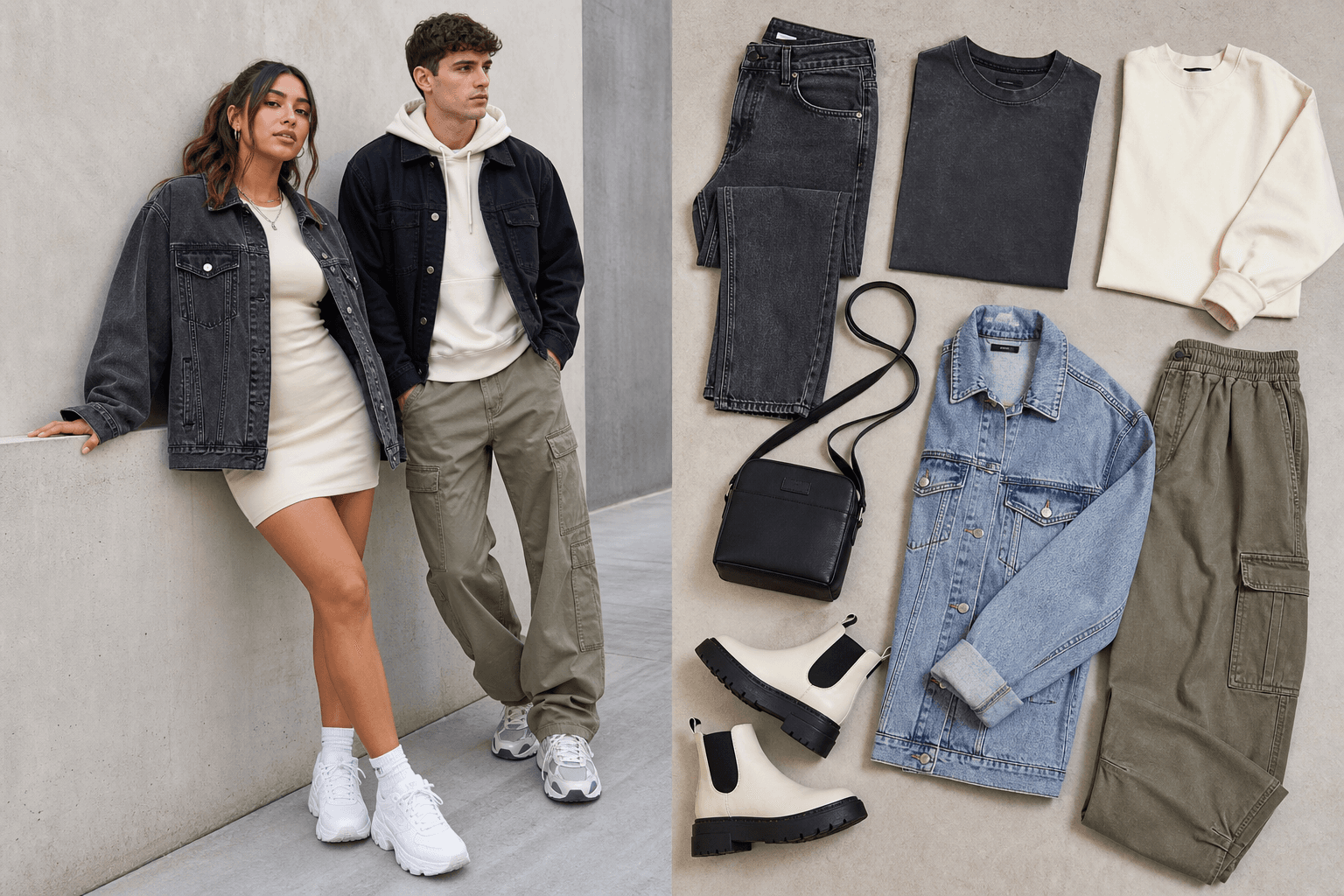
Why this guide matters
Fashion moves quickly, and high-street apparel brands make it easier to try fresh silhouettes without overcommitting your budget. Yet even experienced shoppers can struggle to translate product photos into real-life fit, prioritize wardrobe essentials over fleeting trends, or navigate size differences across regions. If you are exploring current looks at bershka.com, a solid strategy will help you focus on pieces that match your lifestyle, size profile, and care preferences. Browsing drops on bershka.com can be exciting—there is plenty of newness in denim, cargoes, tailored separates, knitwear, and occasion styles—but the variety also makes it easy to get sidetracked. A clear plan ensures your cart reflects what you will actually wear. This guide is designed for the apparel-fashion category and focuses on three essentials: fit, fabric, and function. We will walk through sizing guidelines, how to read product pages closely, and ways to assemble looks that go from day to night with minimal effort. You will also find tips on comparing materials—such as cotton blends, viscose, modal, and synthetics—so you can anticipate drape, structure, and seasonal comfort. Because care requirements affect long-term value, we will highlight how to interpret labels and choose pieces that maintain their shape after washing. Another common challenge is balancing fresh trends with durability. Many shoppers want a couple of statement items—like metallic accents, bold color pops, or asymmetrical hemlines—alongside a base of timeless staples. We will outline how to spot trend-led pieces that still integrate with what you already own, helping you avoid orphan garments. Finally, we will touch on practical checkpoints including shipping timelines, returns, and availability differences by region. Policies and stock can vary, so it is always wise to confirm details at checkout before finalizing an order. Whether you are building a capsule around relaxed tailoring, boosting a weekend wardrobe with oversized denim, or choosing a party look, the steps below will keep you focused. With a little preparation, you can turn a wide assortment into a streamlined, wearable edit that reflects your style—without forgetting comfort, care, and budget.
Fit, fabrics, and product pages
Start with fit. On product pages, check the model’s height and the size worn to gauge where a hem, sleeve, or waistband might sit on you. If you are between sizes for fitted dresses or narrow waist trousers, consider sizing up for comfort; for oversized tees, bombers, and hoodies, true-to-size usually preserves the intended silhouette. With denim, note the fabric composition: a small percentage of elastane (often 1–2%) provides stretch and ease, making skinny or slim cuts more comfortable. Rigid denim (100% cotton) delivers a classic shape that softens with wear, ideal for straight, wide-leg, or barrel styles. Footwear sizing can differ by region. If you are unsure, compare the EU/US/UK conversion chart and focus on the centimeter measurement, which tends to be most consistent. Chunky sneakers and platform boots are typically true-to-size, while narrow loafers may benefit from a half size up, especially for wider feet or thicker socks in cooler weather. For tailoring, shoulder fit determines polish: if a blazer rests cleanly at the shoulder edge without pulling across the back, the rest of the garment is easier to adjust via sleeves or waist. Fabric choice influences comfort and longevity. Cotton is breathable and versatile; viscose and modal add fluid drape; polyester blends resist wrinkles and hold color well; nylon delivers tensile strength in cargoes and outerwear. Knitwear with acrylic or polyester can feel lightweight and resilient, while wool or wool blends bring warmth—just confirm care instructions to avoid shrinking. If you lean toward eco-minded choices, filter for items labeled with more responsible materials when available, and read descriptions that indicate recycled or lower-impact fibers. Always verify the exact claim on the individual page rather than assuming uniform standards across the entire range. Inspect the details section: it typically states rise on jeans, fabric weight impressions, fastening types (zip, buttons, hook-and-bar), and pockets. For skirts and dresses, look for lining information to ensure opacity and comfort. When building a wardrobe, pair trend-forward pieces—like metallic skirts or parachute pants—with foundational items such as neutral tanks, ribbed tees, and classic sneakers. During seasonal transitions, light outer layers like shirt jackets and cropped trenches extend the wear of warm-weather pieces. To catch time-limited price drops or bundle-friendly buys, you can explore offers around mid-season refreshes, while always prioritizing fit and fabric over impulse trends.
Actionable steps to build outfits
Begin with your week. Map three to five recurring scenarios—office or study days, casual weekends, nights out, and travel—then assign two mix-and-match outfits to each. This method ensures you buy with purpose. For office-ready looks, start with relaxed tailoring: a straight-leg trouser, a lightweight knit or poplin shirt, and a clean sneaker or loafer. Add a blazer in a neutral tone to sharpen denim on casual Fridays. For weekends, choose one hero silhouette—oversized hoodie, wide-leg denim, or cargo skirt—and rotate tops to refresh the look. When shopping party pieces, prioritize one focal element (texture, shine, or cutout) and keep the rest minimal for repeat wear. Leverage color cohesion. Pick a base palette—black, grey, ecru, olive, or navy—plus one accent (cobalt, lime, or fuchsia) for freshness. If you are adding prints, keep scale consistent: pairing a fine-stripe shirt with micro-check trousers feels intentional, while one statement graphic tee pairs best with solid bottoms. Accessories complete the picture: a crossbody bag in a structured shape elevates casual outfits; a slim belt defines oversized tops; and minimal jewelry adds polish without overwhelming the look. Practical sizing tactics reduce returns. Measure your best-fitting jeans and note waist, rise, and inseam; compare these directly with the size guide and product measurements where provided. For tops, shoulder width and chest circumference are more reliable than small/medium/large labels. If you fluctuate between sizes, order two adjacent sizes only for key pieces you expect to keep long-term, and return the extra promptly in line with the policy. Shipping and return windows vary by country and by item type, so confirm the terms shown at checkout on the official site before finalizing your cart. Maintain your clothes to extend value. Wash dark denim and richly dyed garments inside out in cold water; air-dry whenever possible to preserve shape and finish. For knits, lay flat to dry; for tailored items, a gentle steam refresh between wears can reduce laundering. Store shoes with paper stuffing to retain structure, and rotate pairs to minimize wear. Keep a small kit—fabric shaver for pilling, gentle stain remover, and spare buttons—to solve minor issues and keep pieces in circulation longer. Finally, plan purchases around the calendar. Early season is best for securing core sizes and colors, while end-of-season clears rarely reappear. Use wishlists to track restocks, and review your existing wardrobe before checkout to avoid duplicates. By structuring decisions around fit, fabric, and function, you will assemble a focused selection from bershka.com that looks current and works hard across your week.
Key takeaways and next steps
Shopping bershka.com is most rewarding when you combine trend curiosity with a clear plan. Start with fit: compare model references and measurements, and favor elastane blends for comfort in slim silhouettes while choosing rigid denim for classic structure. Evaluate fabric content to anticipate drape, breathability, and care requirements, and check lining or weight details to ensure comfort and opacity. Build outfits by mapping your real week, anchoring looks in a versatile base palette, and adding one or two accent tones for freshness. Trend-led pieces integrate best when they enhance silhouettes you already wear, not replace them. Take a practical approach to sizing and returns: confirm regional conversions, compare measurements from garments you love, and verify shipping and return terms at checkout based on your location. Use wishlists for restock alerts and mid-season refreshes, but keep your focus on pieces that serve multiple scenarios. Care routines—cold washes, air-drying, gentle steaming—extend the life of your clothes and keep fabrics looking sharp. With these straightforward checks, you can turn a broad assortment into a cohesive wardrobe that fits your lifestyle and budget. The result is a streamlined edit of denim, tailoring, and casual layers that mix easily, feel comfortable, and maintain their look with proper care.