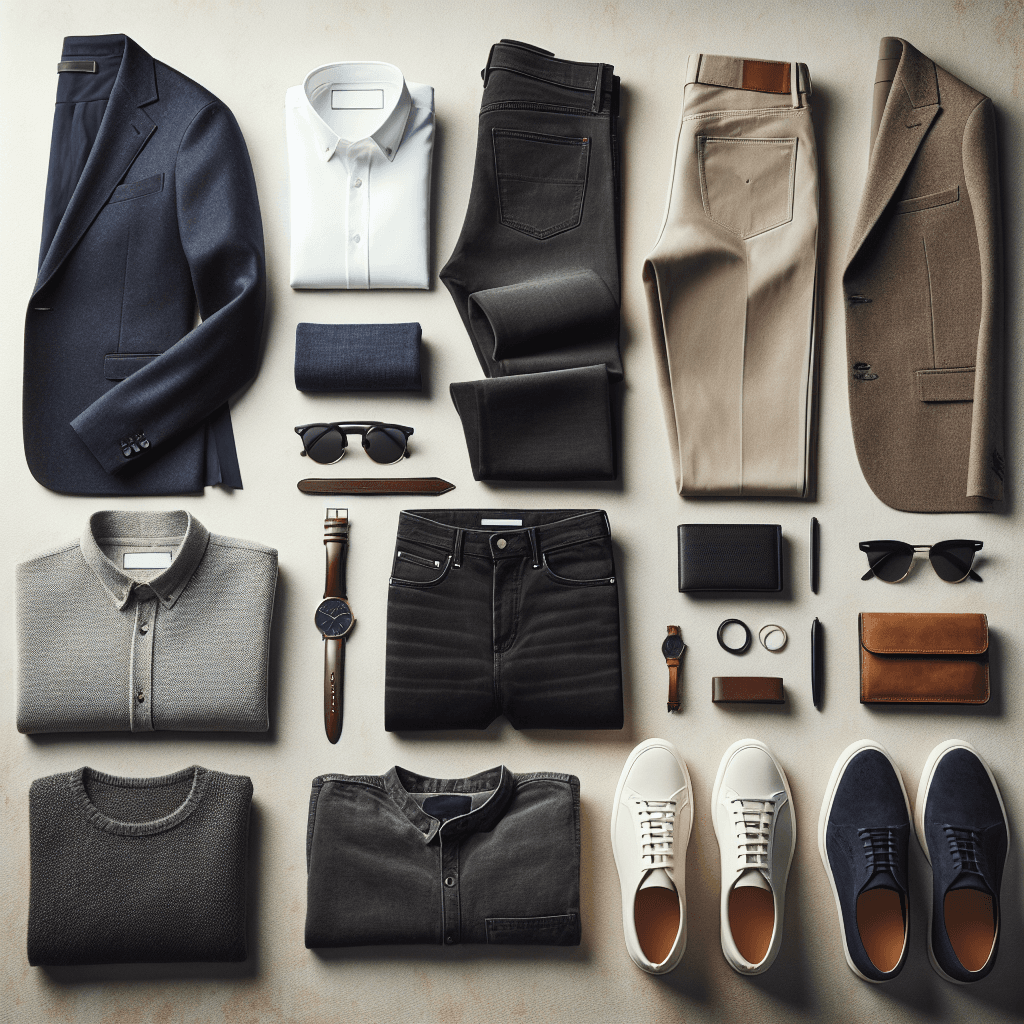
Why a curated wardrobe matters
In the apparel and fashion category, the idea of a modern men’s wardrobe has evolved from a single suit and a few shirts into a flexible collection that adapts to changing routines, hybrid work, and travel. Building a wardrobe that genuinely works means thinking about fit, fabric, and function before any trend-led finishes. It also means using retailers and platforms that make thoughtful curation and accurate product information easy to access. That is precisely where MR PORTER’s approach can be helpful: it’s a destination known for premium brands, clear photography, and editorial context that makes selection feel less overwhelming. As a global destination for contemporary menswear, mrporter.com gathers tailoring, casualwear, footwear, and accessories in one place, framing them with detailed size guidance and styling notes so you can purchase with confidence. The challenge most men face isn’t a lack of options; it’s editing those options to suit a lifestyle and climate. You might need a jacket that looks presentable on video calls but also layers easily under a coat for the commute, or shoes that can handle a full day of walking yet still match a blazer. A curated wardrobe solves those daily dilemmas by maximizing mix-and-match potential. Choosing garments that share a color story—navy, grey, white, and earthy neutrals—lets you rotate pieces without repeating the exact same outfit. Investing in dependable materials is equally crucial: merino wool for easy care and breathability; Oxford cotton for shirts that hold their shape; selvedge or responsibly sourced denim for durability; and properly constructed footwear that can be resoled. Shopping online can surface questions about cut and sizing—which is why detailed product pages matter. High-quality imagery, precise measurements, and editorial styling help you visualize how a jacket sits on the shoulder or how a trouser breaks on a shoe. MR PORTER’s design-forward layout and thoughtful filtering (by size, brand, fabric, and category) help narrow results quickly, while descriptions often highlight care instructions and weight—useful markers when you’re choosing between midweight flannel and lightweight twill. The benefit is a smarter, calmer shopping journey: fewer impulse buys, more pieces that directly support the way you live. As you map out essentials, it helps to define three core environments: work, weekend, and travel. Each scenario prioritizes slightly different features—structured silhouettes and subtle textures for work; relaxed knits and unfussy outerwear for weekends; and compressible, crease-resistant layers for travel. Taking this framework into your browsing ensures that every selection has a purpose. The result is not only a cleaner closet, but also quicker decisions each morning.
Key fabrics, fits, and outfit formulas
A well-built wardrobe starts with materials that balance performance and polish. For tailoring and knitwear, look for fine-gauge merino, cashmere blends, and midweight worsted or flannel wools. They drape cleanly, resist wrinkles, and pair with a wide range of textures. For shirts, Oxford and poplin cottons cover most needs: Oxford has subtle heft and casual charm; poplin is crisp and suited to sharper looks. In warmer months, linen and linen-cotton blends keep things breathable and relaxed; small creases are part of the appeal, and careful steaming will tidy them without flattening the fabric’s character. Denim should feel substantial yet pliable: midweight selvedge can be broken in for everyday wear, while stretch denim offers immediate comfort. For footwear, full-grain leather and quality suede age gracefully when cared for with conditioner, protector spray, and the occasional resole. Fit is equally important. In tailoring, check shoulder alignment first: it should sit cleanly without divots. The jacket’s collar should hug the shirt collar without gaps, and sleeves should reveal a touch of shirt cuff. Trousers need a rise that matches your torso length and a leg that tapers neatly without pulling at the knee. For casualwear, a relaxed but controlled fit keeps outfits modern: think a slightly roomier chore jacket balanced with a trimmer tee or knit. Footwear hinges on last shape and width; reading product pages for last names or fit notes will help you predict how a sneaker or loafer will feel on your foot. If you’re browsing seasonally refreshed edits or new capsules, it’s helpful to filter by category and price, then explore offers that align with wardrobe gaps you have already identified. Consider a few reliable outfit formulas. Business-casual can be as simple as a navy blazer over a fine-gauge knit with charcoal trousers and leather loafers—swapping the knit for an Oxford shirt when you want a sharper impression. For weekends, a chore jacket or field jacket over a white tee, dark denim, and clean sneakers balances utility and refinement. On travel days, start with breathable layers that compress well: a merino polo under a soft-shouldered blazer, finished with drawstring tailored trousers and minimal sneakers. Care extends garment life and protects your investment. A handheld steamer freshens suits and shirts between wears. Cedar shoe trees maintain shape and absorb moisture. Rotate footwear to give leather time to recover, and brush suede gently before storing. Wash knits sparingly in cool water, reshape them flat, and store folded rather than hung to avoid stretching. When in doubt, product care notes on the page provide guidance tailored to each piece. Finally, use editorial content as a learning tool. Style features and buying guides help translate runway ideas into everyday decisions, showing how color, texture, and silhouette interact. You’ll internalize the reasoning behind pairings, making it easier to adapt them to your own taste.
Smart shopping steps and next moves
Turn inspiration into action by auditing what you already own. Pull out your most worn items and note what they have in common: color, fabric, or fit. Do the same with pieces you rarely wear, identifying why they miss the mark—perhaps the rise is off, the sleeve length is short, or the color clashes with the rest of your closet. This exercise uncovers where strategic additions will have the biggest effect. Next, define a simple palette that runs through tailoring and casualwear. A base of navy, grey, white, and black ensures easy mixing; add one or two accent tones such as olive or tobacco for depth. Choose textures that complement the palette: a flannel blazer, a ribbed merino crew, a twill overshirt. Prioritize versatility—one blazer that dresses up or down, one trouser that works with sneakers or loafers, one pair of jeans that suits both knits and tailoring. When shopping, read the product pages closely. Check the model’s height, the size worn, and the garment’s measurements to triangulate your fit. Compare those figures with a similar item you already own. If you’re between sizes, consider the fabric’s behavior: linen grows slightly with wear; compact knits hold shape better; stretch denim relaxes at the waistband. And if you plan minor alterations—like tapering trousers or shortening sleeves—confirm construction details so a tailor can make clean adjustments. It’s also a good moment to consult size guides on the official site and note any brand-specific advice. Leverage tools that streamline decision-making. Wishlists help you refine choices over a few days rather than rushing, and back-in-stock alerts notify you when your size returns. Use filters to narrow by material (e.g., organic cotton or recycled fibers) if responsible sourcing is a priority. If you’re shopping internationally, review any shipping or duties information at checkout so you understand timelines and costs before purchasing. For footwear, try on at home with the socks you actually wear and test both carpet and hardwood to gauge grip and comfort while keeping soles pristine until you commit. Finally, think in outfits rather than individual items. Before buying, plan three ways to wear each piece with garments you already own. A chore jacket might team with denim and a tee, with wool trousers and a knit polo, and with pleated shorts and a linen shirt in summer. That simple check ensures every addition earns its place. Over time, your wardrobe becomes coherent and resilient—ready to handle office days, dinners out, and flights with minimal packing and maximum confidence.
Putting it all together
A modern men’s wardrobe is not about accumulating more; it is about choosing better. Start by defining your daily environments—work, weekend, and travel—and anchor selections in a coherent palette. Let fit and fabric guide every decision, and use product pages, measurements, and editorial context to translate on-screen details into real-world comfort. Building around versatile cornerstones—a tailored blazer, reliable denim, well-made footwear, and seasonally appropriate layers—ensures you can dress up or down without overthinking. Take advantage of clear imagery, sizing guidance, and curated edits to reduce guesswork. Read care notes, invest in small maintenance tools like a steamer and shoe trees, and rotate footwear to extend longevity. Think in outfit formulas and require each piece to work in at least three combinations with items you already own. With this approach, MR PORTER becomes less a catalog and more a practical resource: a place to learn, compare options, and select garments that align with your routine. The outcome is a streamlined closet that looks polished, feels comfortable, and adapts gracefully as styles shift season by season.